Leafy Quotes
Recently added
The newest book quotes in the Leafy Quotes collection — passages readers have just added, each with its author, book and the page it came from.
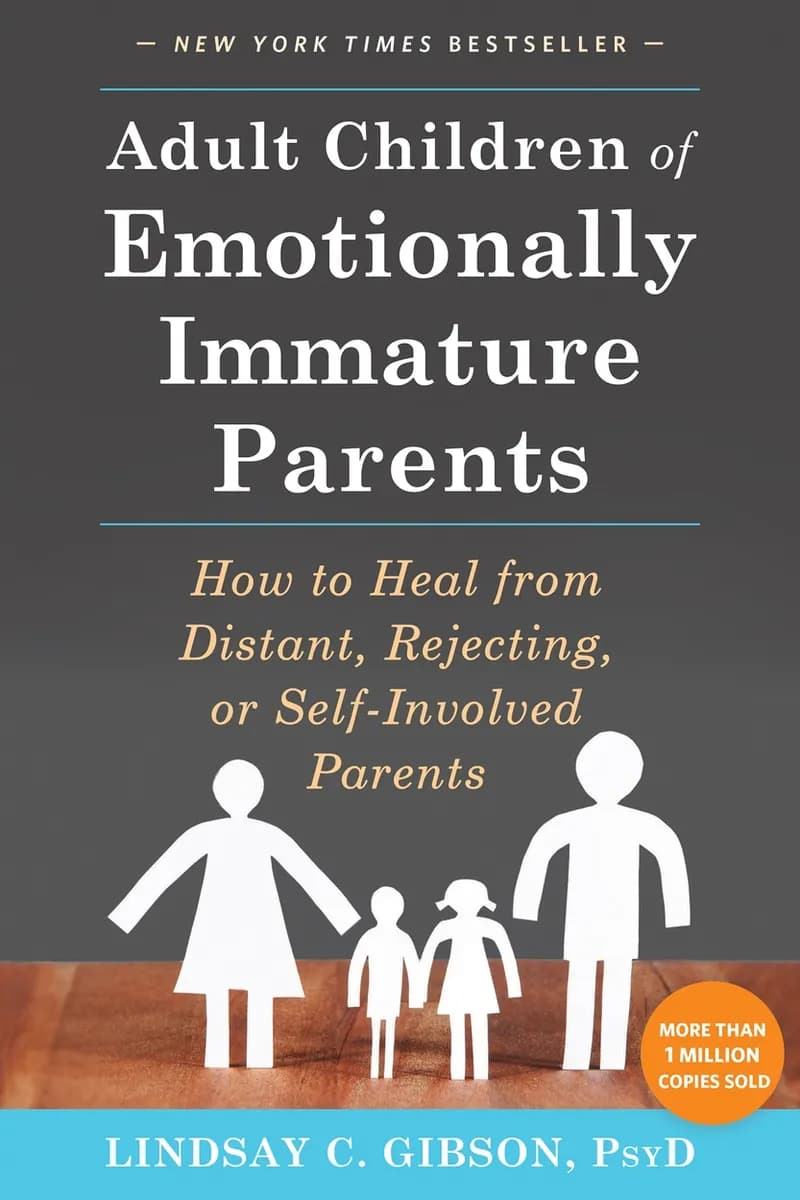
Being well cared for in nonemotional areas can create confusion in people who grow up feeling emotionally lonely. They have overwhelming physical evidence that their parents loved and sacrificed for them, but they feel a painful lack of emotional security and closeness with their parents.
Emotionally mature people may tell you how they feel about what you did, but they don’t pretend to know you better than you know yourself.
When you’re going through a breakdown, a good question to ask is what is actually breaking down. We usually think it’s our self. But what’s typically happening is that our struggle to deny our emotional truth is breaking down. Emotional distress is a signal that it’s getting harder to remain emotionally unconscious. It means we’re about to discover our true selves underneath all that story business.
People tell stories all the time: the stories they want told, where any story could be changed or warped this way or that. (p84)
Melancholy, I think, is a sort of default vagueness, a get-out clause, a smothering lack of focus.
p. 16
Only emotionally phobic, emotionally immature people believe that wanting empathy and understanding is a sign of weakness.
She remembered Aunty Bella Donna of the Champions once saying that no story was worth telling if no one could remember the lesson in it. These were stories that have made no difference to anyone. Old Aunty was fading away forever. But... even true stories have to be invented sometimes to be remembered. Ah! The truth was always forgotten. (p210)
we all need other people to meet our emotional needs for comfort and closeness. That’s what relationships are all about.
I have been working long enough as a potter to know that being commissioned is an extremely delicate business. You are grateful, of course, but gratitude is different from feeling indebted. It is an interesting question for any artist: how long must you go on feeling grateful once someone has bought your work?
p. 82
Most emotionally mature people can accept that changes and disappointments are a part of life. They accept their feelings and look for alternative ways to find gratification when they’re disappointed. They’re collaborative and open to others’ ideas.
‘Don’t you think those netsuke should stay in Japan?’ said a stern neighbour of mine in London. And I find I am shaking as I answer, because this matters. …
No, I answer. Objects have always been carried, sold, bartered, stolen, retrieved and lost. People have always given gifts. It is how you tell their stories that matters.
p. 348
The girl convinced herself that only the mad people in the world would tell you the truth when madness was the truth, when the truth itself was mad. (p64)