Quotes about empathy
130 quotes · 98 authors
Quotes
If we examine the process of "understanding" people and ideas from the perspective of Western thought, we discover that its basis is this requirement for transparency. In order to understand and thus accept you, I have to measure your solidity with the ideal scale providing me with grounds to make comparisons and, perhaps, judgments. I have to reduce. (p. 189-90)
[W]e are just the same—I am only a little girl like you. It's just an accident that I am not you, and you are not me!
It’s one thing to be looked at, and another to be seen.
We all be speaking different because we all are having different growing-up life, but we can all be understanding each other if we just take the time to listen well.
Before you call the snail a weakling, tie your house to your back and carry it around for a week.
Everyone’s got their own battles to fight.
understanding breeds grace.
Only emotionally phobic, emotionally immature people believe that wanting empathy and understanding is a sign of weakness.
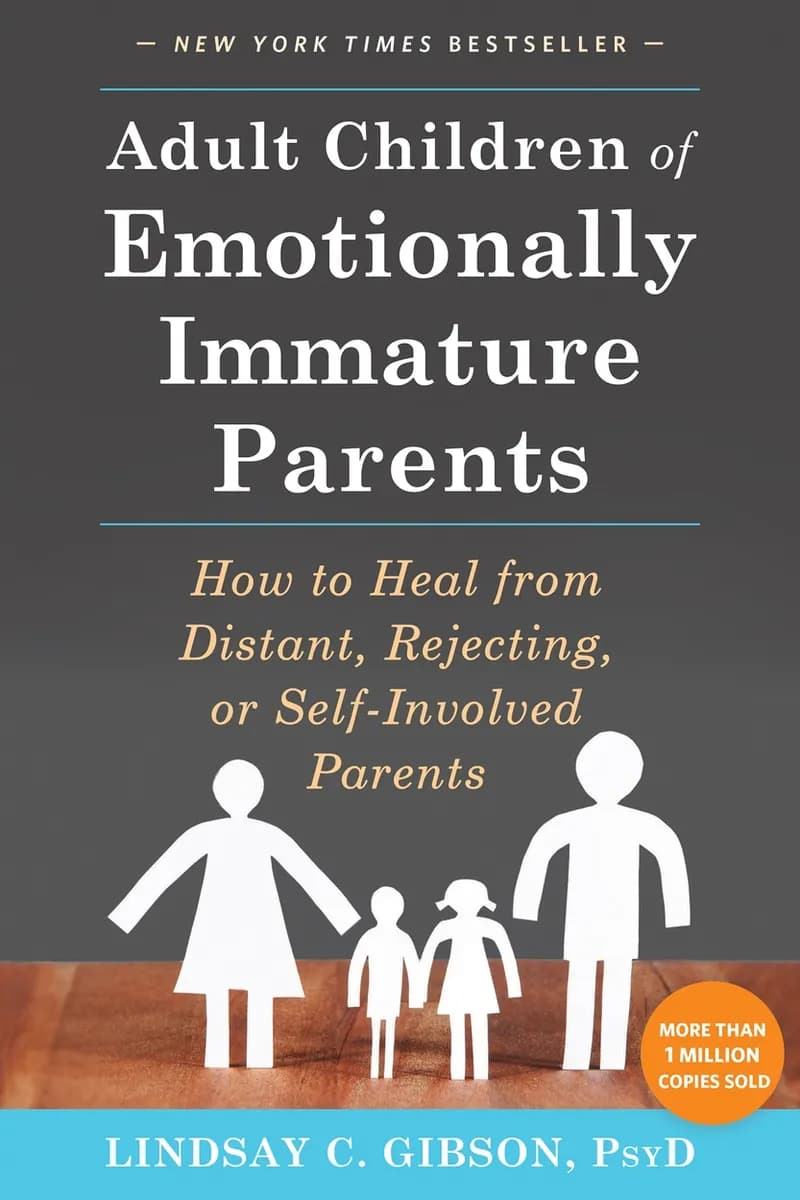
Empathy is what makes people feel safe in relationships. Along with self-awareness, it's the soul of emotional intelligence, guiding people toward prosocial behavior and fairness in dealings with others. In contrast, nonempathic people overlook your feelings and don't seem to imagine your experience or be sensitive to it. It's important to be aware of this, because a person who isn't responsive to your feelings won't be emotionally safe when the two of you have any kind of disagreement.
Pity is the awful lost dazed brother of empathy. Pity doesn't know what to do with itself so it just goes Awwwwwww.
He talked, and listened, and tried to do the hardest thing of all.
He tried to understand.
p. 27
“If they were ugly, Peter, would you care half so much?” asked Nightingale. “There are some hideous things out there that can talk and reason, and I wonder if you would be quite so quick to rush to their defense.”
“Maybe not,” I said. “But that just makes me shallow, it doesn’t make me wrong.”
p. 279