Quotes about disappointment
73 quotes · 59 authors
Quotes
[E]very enlightening progress made in science is accompanied with a certain feeling of disillusionment. We discover that that which appeared wonderful to us is no more wonderful than other things which we know instinctively and regard as self-evident; nay, that the contrary would be much more wonderful; that everywhere the same fact expresses itself. Our puzzle turns out then to be a puzzle no more; it vanishes into nothingness, and takes its place among the shadows of history.
When you were nineteen, and it was the first time you had been let down, you did not make scenes. You felt as if your back was broken, as if you would never move again. But you did not make a scene. That started later on, when the same thing had happened five or six times over, and you were supposed to be getting used to it. (chapter 6)
Anybody who thinks there's nothing wrong with this world needs to have his head examined. Just when things are going all right, without fail someone or something will come along and spoil everything. Somebody should write that down as a fundamental law of the Universe. The principle of perpetual disappointment. If there is a God who created this world, he should scrap it and try again.
He’d always half expected that the watch would turn out to have some sort of amazing magical power—turning back time, maybe, or slowing it, or freezing it, or something. It certainly looked magical enough. But if it had any powers at all he’d never found them. Funny how some things you’re sure will pay off never do.
p. 399
But now that the ripened fruit of all that preparation was right in front of him he suddenly lost any desire for it. He wasn’t surprised. He was used to this anticlimactic feeling, where by the time you’ve done all the work to get something you don’t even want it anymore. He had it all the time. It was one of the few things he could depend on.
p. 8
He’d spent too long being disappointed by the world—he’d spent so many years pining for something like this, some proof that the real world wasn’t the only world, and coping with the overwhelming evidence that it in fact was.
p. 37
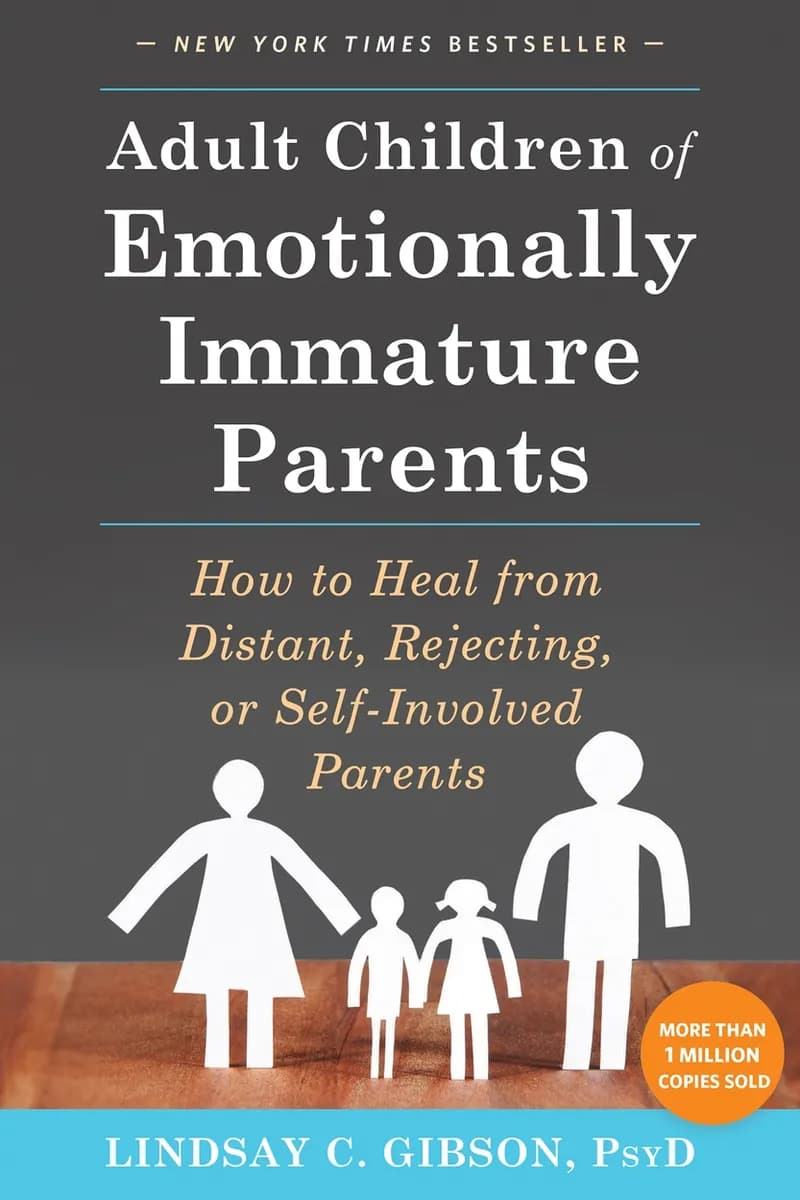
Most emotionally mature people can accept that changes and disappointments are a part of life. They accept their feelings and look for alternative ways to find gratification when they’re disappointed. They’re collaborative and open to others’ ideas.
It's hard enough to go through life disappointing yourself every second day, but disappointing others takes it out of you too. That's why you should never answer the phone or the door. So you don't have to say no to whoever's on the other side.
The allure of travel gradually faded away from my roman. Once upon a time my heart danced just by imaging any of its symbols, a train, a steamship, towns of unknown foreign lands. Nonetheless, my past experiences taught me that travel is no more than the simple "movement of the same thing within the same space." No matter where you go, you find the same kinds of people live, repeating the same kinds of monotonous lives, in the same kinds of villages or towns. In any small town in the countryside, the merchant is fiddling with his abacus at his storefront, looking out at the whitish street all day, the public servant is smoking in his office, thinking about things like vegetables in his lunch box, as they live each tasteless, monotonous day the same way, day after day, watching their lives gradually grow old. The allure of travel came merely to project in my tired heart the image of an endlessly bored landscape like a Chinese parasol tree that grows in some vacant lot, making me feel a tasteless hatred and leeriness for human life in which identical rules repeat themselves no matter where you turn. In short, I lost interest in any kind of travel, the romance of it.
I felt a poignant memory of those desolate patches of disillusion which are the shocks of growing up. The discovery that one lived in a world which could pay honour where honour was not due, was just such a one. The values were rocked, the dependable was suddenly flimsy, the solid became hollow, gold turned to brass, there was no integrity anywhere . . .
p. 124
She had tried explaining it so many times, but he was hung up on the woman she used to be, and she was disappointed in the man he still was.
p. 13
He felt as if he’d dived into a deep, clear lake and discovered it was a shallow, knee-deep pond. What did you do? Well, you stood up. You rinsed your mud-caked knees and pulled your feet out of the muck. And you were more cautious after that. You knew, from then on, that the world was a smaller place than you’d expected. (Chapter 17, p275)