Leafy Quotes
Recently added
The newest book quotes in the Leafy Quotes collection — passages readers have just added, each with its author, book and the page it came from.
Her mind was only a lonely mansion for the stories of extinction. (p333)
In the 1960s, my grandmother Elisabeth, so assiduous in her letter-writing, such an advocate for the letter (‘write again, write more fully’), burnt the hundreds of letters and notes she had received from her poetic grandmother Evelina.
Not ‘Who would be interested?’ But ‘Don’t come near this. This is private.’…
There is something about that burning of all those letters that gives me pause: why should everything be made clear and be brought into the light? Why keep things, archive your intimacies? Why not let thirty years of shared conversation go spiralling in ash up into the air of Tunbridge Wells? Just because you have it does not mean you have to pass it on. Losing things can sometimes gain you a space in which to live….
The problem is that I am in the wrong century to burn things. I am the wrong generation to let it go. I think of a library carefully sorted into boxes. I think of all those careful burnings by others, the systematic erasing of stories, the separations between people and their possessions, and then of people from their families and families from their neighbourhoods. And then from their country.
p. 347
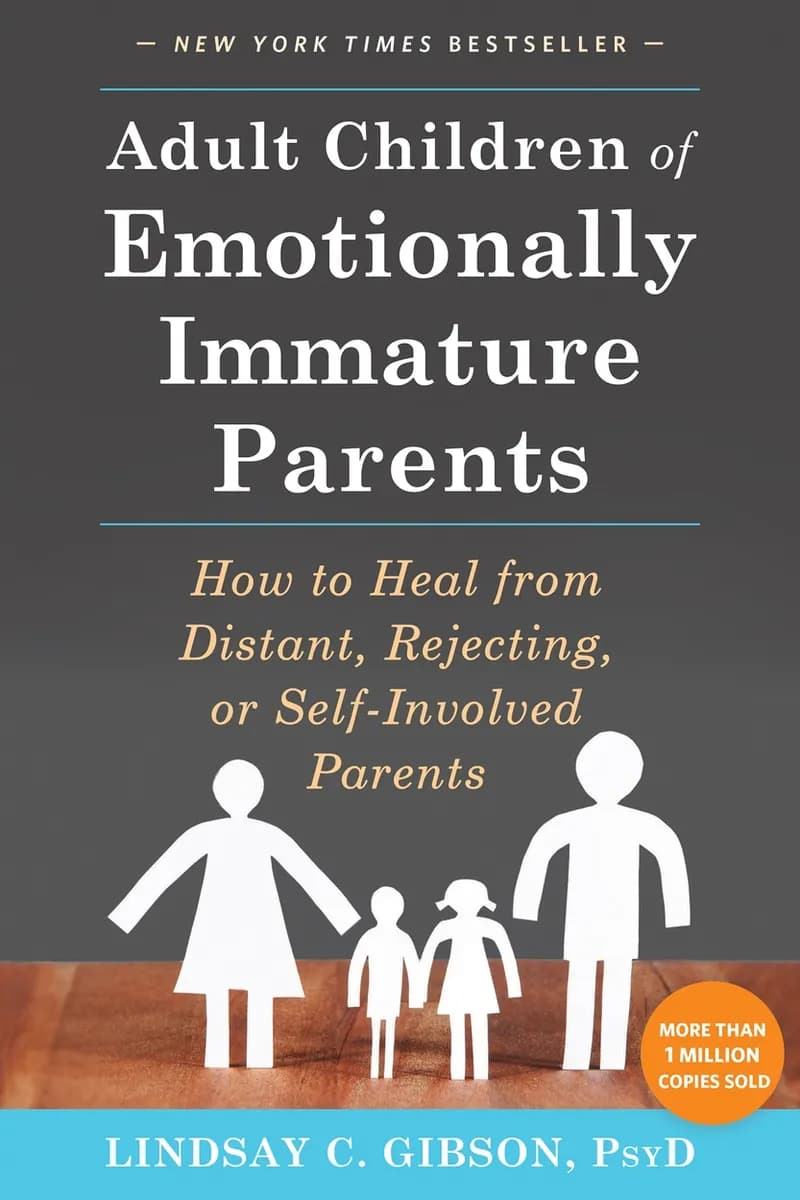
Remember, you can’t expect immature, emotionally phobic people to be different from how they are.
Empathy is what makes people feel safe in relationships. Along with self-awareness, it's the soul of emotional intelligence, guiding people toward prosocial behavior and fairness in dealings with others. In contrast, nonempathic people overlook your feelings and don't seem to imagine your experience or be sensitive to it. It's important to be aware of this, because a person who isn't responsive to your feelings won't be emotionally safe when the two of you have any kind of disagreement.
In every neck of the woods people walked in the imagination of doomsayers and talked the language of extinction. (p5)
Many children of such parents learn to subjugate themselves to other people’s wishes (Young and Klosko 1993). Because they grew up anticipating their parent’s stormy emotional weather, they can be overly attentive to other people’s feelings and moods, often to their own detriment.
Emotionally immature people don’t step back and think about how their behavior impacts others. There’s no cringe factor for them, so they seldom apologize or experience regret.
People who lacked emotional engagement in childhood, men and women alike, often can’t believe that someone would want to have a relationship with them just because of who they are. They believe that if they want closeness, they must play a role that always puts the other person first.
Shame tells us that we are bad, which itself is an incredibly terrible feeling. But Systemic Shame teaches that entire groups of people are bad, and that through our choices and our identities, we constantly signal to other people whether we belong to a redeemable group or to an innately wicked one.
When a marginalized person holds themselves personally responsible for solving the problem of their own oppression, Systemic Shame is the overwhelmed, hopeless feeling that results.
You might get to thinking that the challenges you're facing are not as legitimate as other people's. But it's this very feeling of isolated helplessness that actually binds you to the majority of humans living on this planet.
In my experience, being a masked Autistic is eerily similar to being in the closet about being gay or trans. It's a painful state of self-loathing and denial that warps your inner experience. Though it often feels like being "crazy," it's not actually an internal neurosis. It's caused by society's repeated, often violent insistence you are not who you say you are, and that any evidence to the contrary is shameful.