Leafy Quotes
Recently added
The newest book quotes in the Leafy Quotes collection — passages readers have just added, each with its author, book and the page it came from.
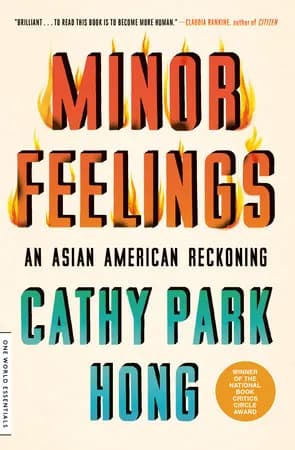
As a poet, I have always treated English as a weapon in a power struggle, wielding it against those who are more powerful than me. But I falter when using English as an expression of love.
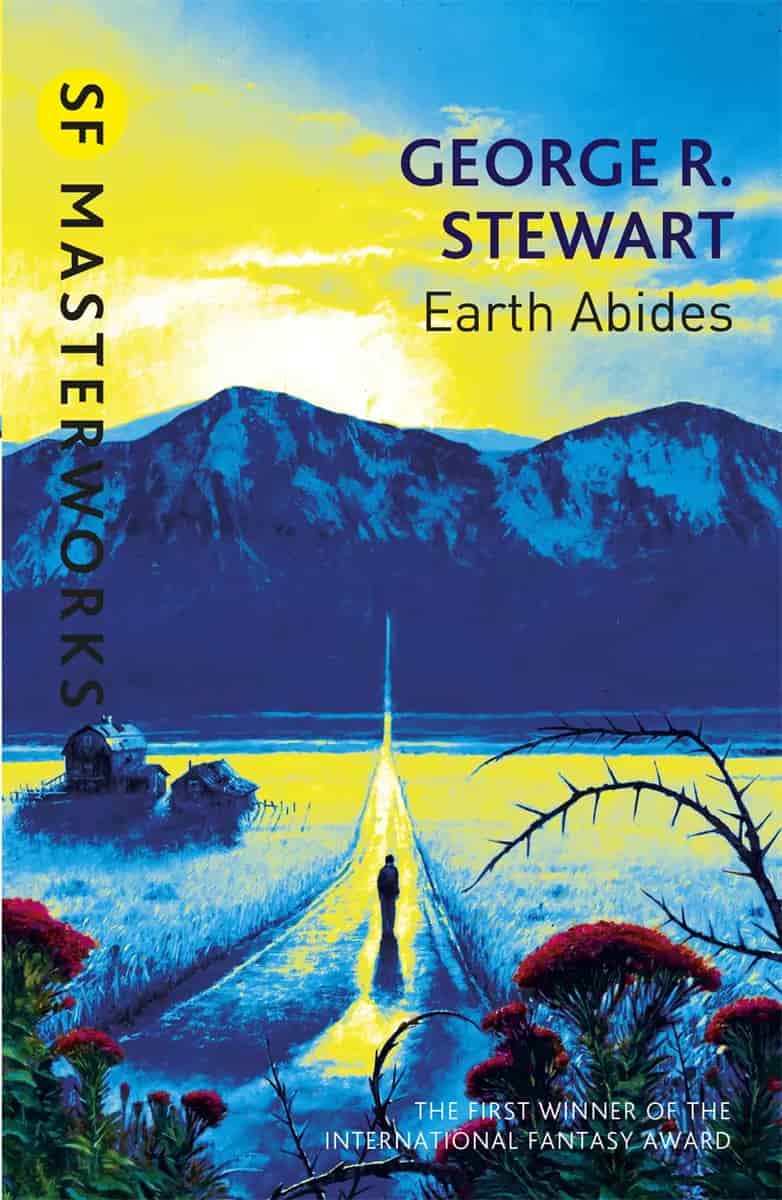
What you were preparing against—that never happened! All the best-laid plans could not prevent the disaster against which no plans had been laid.
p. 280
Innocence is both a privilege and a cognitive handicap, a sheltered unknowingness that, once protracted into adulthood, hardens into entitlement.
He had kept the university library as a reserve for the future. He had even taught the children to respect it. Yes, he had even, he was afraid, put a kind of taboo upon it. In fact, not only here but everywhere, he had always tried to impress the children with an almost mystical value of books. Still he kept the symbol of the burning of the books as one of the worst things that men could do.
p. 290
Men go and come, but earth abides.
p. 345
Ever since I started writing poetry seriously, I have used English inappropriately.
Childhood is a state of mind, whether it's a nostalgic return to innocence or a sudden flashback to unease and dread. If the innocence of childhood is being protected and comforted, the precarity of childhood is when one feels the least protected and comfortable.
The problem with silence is that it can’t speak up and say why it’s silent. And so silence collects, becomes amplified, takes on a life outside our intentions, in that silence can get misread as indifference, or avoidance, or even shame, and eventually this silence passes over into forgetting.
In any basic struggle for power, the intellectual man went under.
p. 249
The boundaries, like defenses, drew lines that were hard and uncompromising. They, too, were man-made, abstractions dominating reality. When you crossed by the highway, on a line, the road surface changed. It was smooth in Delaware, but when you went into Maryland, you felt a change in vibration, and all at once the tires hummed differently. “State line,” the sign read. “Entering Nebraska. Speed limit 60 m.p.h.” So even right and wrong altered with the sharp snap of a discontinuity, and you stepped harder on the throttle.
At the national boundary the flags showed different colors, though the same breeze blew them. You stopped for customs and immigration, and were suddenly a stranger, unfamiliar. “Look,” you said, “that policeman has a different uniform!” You got new money, and even for picture postcards the stamps had to have another face on them. “Better drive extra carefully,” you said. “Wouldn’t be good to get arrested over here.” That was a funny business! You stepped across a line you couldn’t see, and then you were one of those queer people—a foreigner!
But boundaries fade even faster than fences. Imaginary lines need no rust to efface them.
p. 210
The next day as he rode on toward the bluffs, Stace Red Hawk felt a renewal of faith, the kind of feeling that comes to a man in silence, when he takes notice that a tree is older than himself, and that it will remain when he is gone. (p 230)
In spite of the wedding, it was a year of separations. Not only were people turning away from one another, but there were other splittings, mind from heart, body from spirit. Some broke quickly, weeping openly and without shame in public places. In others...the changes were barely visible. (p 170)