Leafy Quotes
Recently added
The newest book quotes in the Leafy Quotes collection — passages readers have just added, each with its author, book and the page it came from.
The people who live in any generation do much, he realized, either to create or to solve the problems for the people who come in the generations later.
p. 150
he glanced toward them, swallowed, and said quietly, "So sorry...It's not me doing it. It's not even the leasers. It's what is legal."
Belle sat down. "Why is it that so many crimes are backed up by your laws?"
p. 305
Love, Lettie thought, it hurts and gladdens us no matter what a woman's age. (p177)
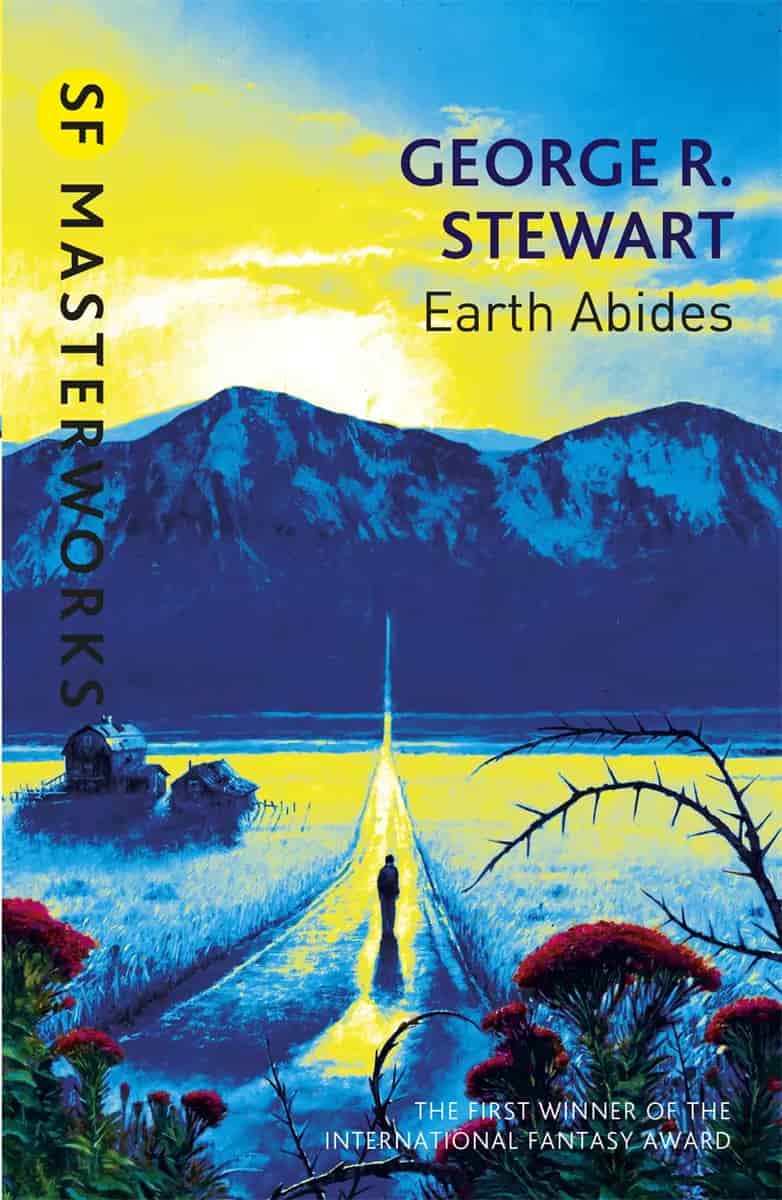
Suddenly he felt that all civilization depended not only upon men but also upon these other things which had marched with him like kinsman and friends and companions. If Saint Francis had hailed the sun as brother, might not we also say, “Oh, Brother Wheat! Oh, Sister Barley!” He smiled to himself. Yes, one could go on: “Oh, Grandfather Wheel! Oh, Cousin Compass! Oh, Friend Binomial Theorem!”
p. 122
To think of that as something bad was merely to think in terms of what had once been and no longer existed.
p. 95
“Oh, don’t worry,” he thought, putting it into words, “there never had been perfection yet, and it certainly isn’t going to start now for me.”
p. 105
"The law is on their side because it's their law." (p111)
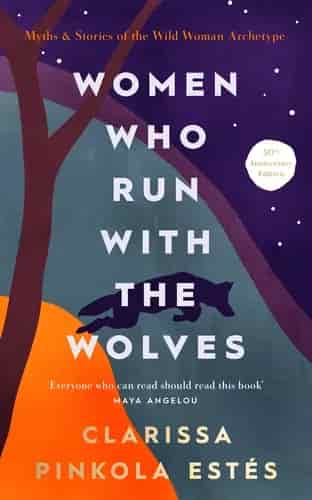
the Life/Death/Life forces are part of our own nature, an inner authority that knows the steps, knows the dance of Life and Death. It is composed of the parts of ourselves who know when something can, should, and must be born and when it must die. It is a deep teacher if we can only learn its tempo. Rosario Castellanos, the Mexican mystic and ecstatic poet, writes about surrender to the forces that govern life and death: “... dadme la muerte que me falta .../give me the death I need . . .” Poets understand that there is nothing of value without death
Yes, he realized, if a man began to think of himself as divinely appointed, he was close to thinking of himself as God—and at that point lay insanity.
p. 38
She slept on the ground of the cave that night, feeling the land, feeling it move up through her. She saw her own self lying there, a white-haired woman, a strong woman, part of earth's terrain. In the cave she remembered how there was hope in the land, hope and tomorrow living in the veins and stones of earth.
She remembered that the river was going to the sea, had been rain clouds and lakes. It had been snow. Now it was on its journey back to the great first waters of life.
p. 344
Beekeepers have a saying that honey begins with a drop of sugar, and misery starts with a mote of dust. (p 312)
But, granting the numbers, the family group was just what it might have been at any time in almost any society—father, mother, and children, tightly grouped to form the basic social unit, so basic in fact that it might be considered biological rather than social. After all, he thought, the family was the toughest of all human institutions. It had preceded civilization, and so it naturally survived afterward.
p. 170