Quotes about thinking
410 quotes · 192 authors
Quotes
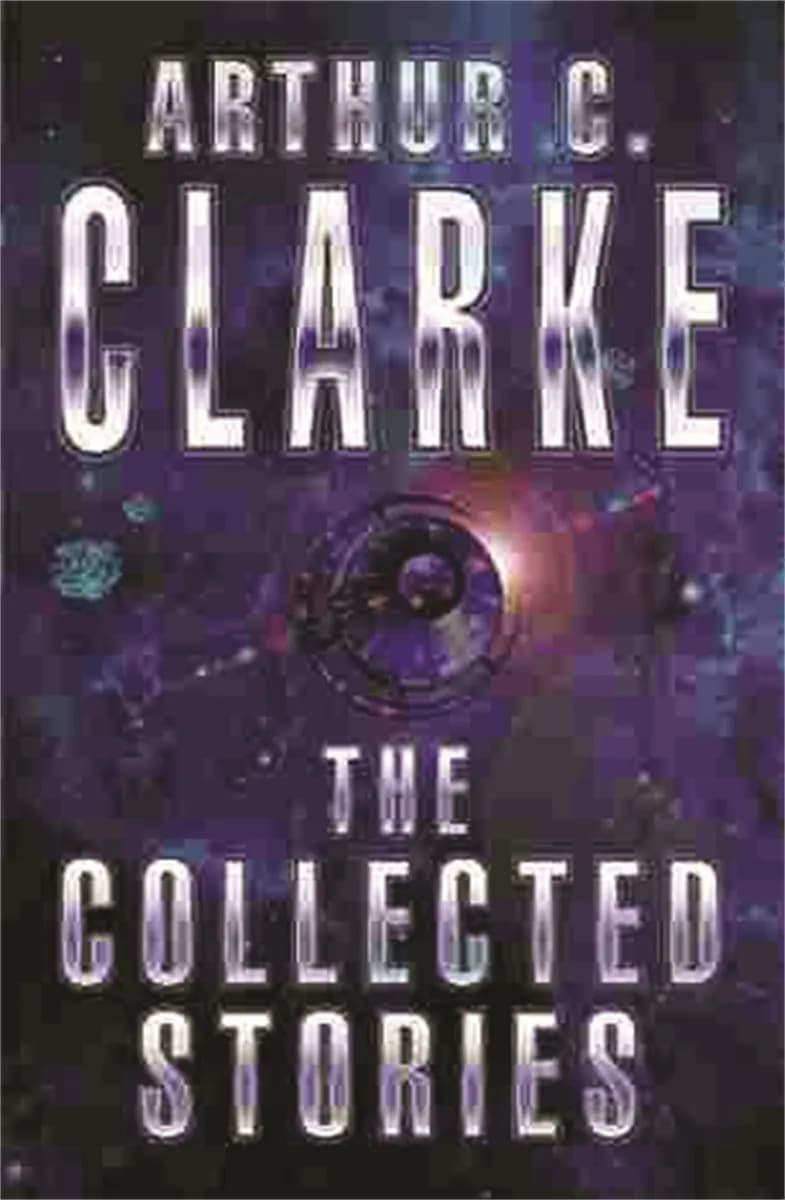
The false logic involved is: “We exist; therefore something—call it X—created us.” Once this assumption is made, the properties of the hypothetical X can be fantasied in an unlimited number of ways.
But the entire process is obviously fallacious; for by the same logic something must have created X—and so on. We are immediately involved in an infinite regress, which can have no meaning in the real universe.
p. 878
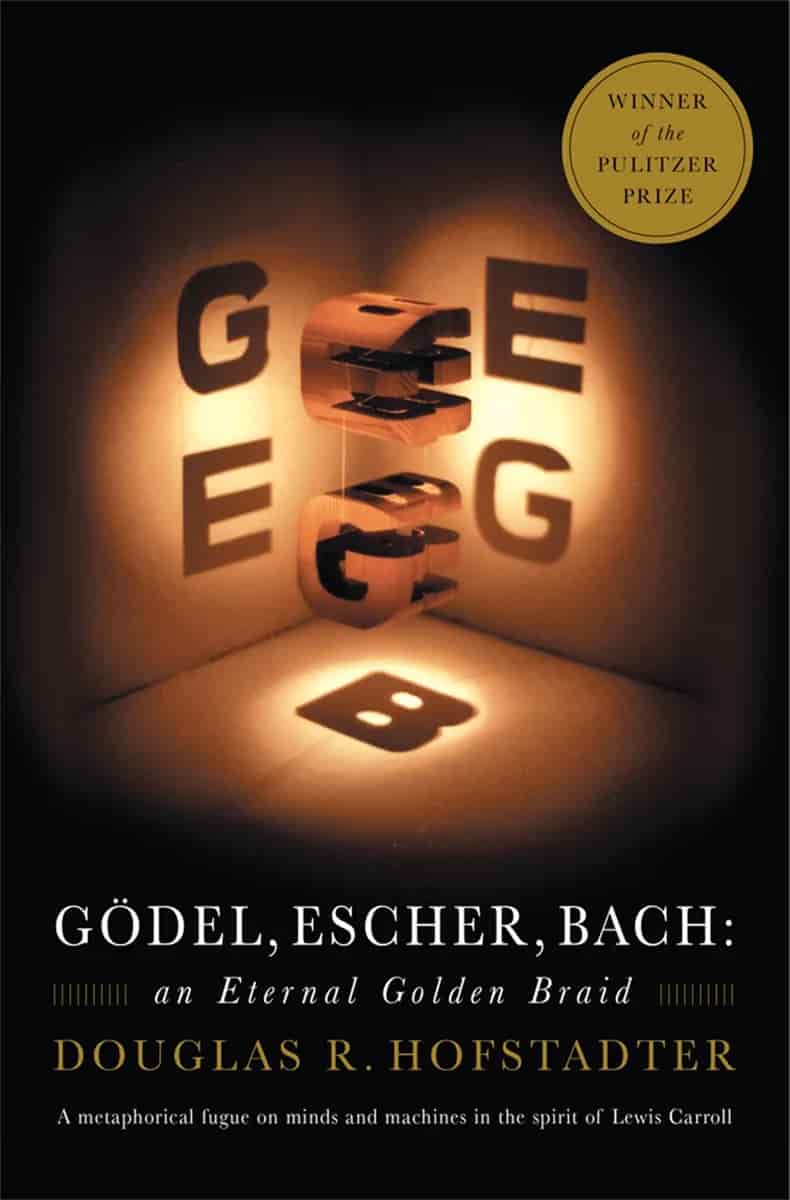
Perhaps the most concise summary of enlightenment would be: transcending dualism. … Dualism is the conceptual division of the world into categories … human perception is by nature a dualistic phenomenon—which makes the quest for enlightenment an uphill struggle, to say the least.
This type of paradox is quite characteristic of Zen. It is an attempt to "break the mind of logic".
When I have to think about it, I know the picture is wrong. And sizing is a form of thinking and coloring is too. My instinct about painting says, 'If you don’t think about it, it's right'. As soon as you have to decide and choose, it's wrong. And the more you decide about, the more wrong it gets. Some people, they paint abstract, so they sit there thinking about it because their thinking makes them feel they're doing something. But my thinking never makes me feel I'm doing anything.
p. 149
Blow the candle out, I don’t need to see what my thoughts look like.
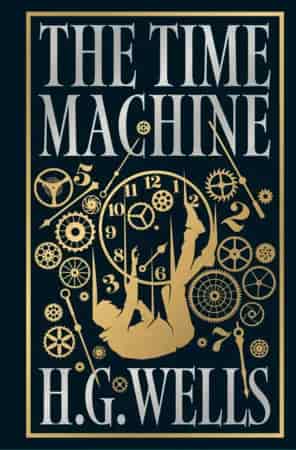
I grieved to think how brief the dream of the human intellect had been. It had committed suicide. It had set itself steadfastly towards comfort and ease, a balanced society with security and permanency as its watchword, it had attained its hopes—to come to this at last. Once, life and property must have reached almost absolute safety. The rich had been assured of his wealth and comfort, the toiler assured of his life and work. No doubt in that perfect world there had been no unemployed problem, no social question left unsolved. And a great quiet had followed.
It is a law of nature we overlook, that intellectual versatility is the compensation for change, danger, and trouble. An animal perfectly in harmony with its environment is a perfect mechanism. Nature never appeals to intelligence until habit and instinct are useless. There is no intelligence where there is no change and no need of change. Only those animals partake of intelligence that have to meet a huge variety of needs and dangers.
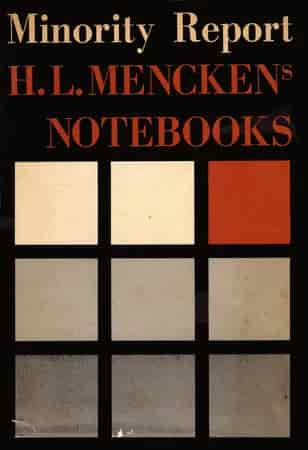
My guess is that well over eighty per cent of the human race goes through life without ever having a single original thought. That is to say, they never think anything that has not been thought before, and by thousands.
A society made up of individuals who were all capable of original thought would probably be unendurable. The pressure of ideas would simply drive it frantic. The normal human society is very little troubled by them. Whenever a new one appears the average man displays signs of dismay and resentment. The only way he can take in such a new idea is by translating it crudely into terms of more familiar ideas. That translation is one of the chief functions of politicians, not to mention journalists. They devote themselves largely to debasing the ideas launched by their betters. This debasement is intellectually reprehensible, but probably necessary to carry on the business of the world.
If Nietzsche and Hegel serve as alibis to the masters of Dachau and Karaganda, that does not condemn their entire philosophy. But it does lead to the suspicion that one aspect of their thought, or of their logic, can lead to these appalling conclusions.
The important thing isn't the soundness or otherwise of the argument, but for it to make you think.
All that is not thought is pure nothingness; since we can think only thought and all the words we use to speak of things can express only thoughts, to say there is something other than thought, is therefore an affirmation which can have no meaning.
And yet—strange contradiction for those who believe in time—geologic history shows us that life is only a short episode between two eternities of death, and that, even in this episode, conscious thought has lasted and will last only a moment. Thought is only a gleam in the midst of a long night. But it is this gleam which is everything.
All opinions are not equal. Some are a very great deal more robust, sophisticated and well supported in logic and argument than others.
What was the Sherlock Holmes principle? 'Once you have discounted the impossible, then whatever remains, however improbable, must be the truth.'
I reject that entirely. The impossible often has a kind of integrity to it which the merely improbable lacks. How often have you been presented with an apparently rational explanation of something that works in all respects other than one, which is just that it is hopelessly improbable? Your instinct is to say 'Yes, but he or she simply wouldn't do that.'