Quotes
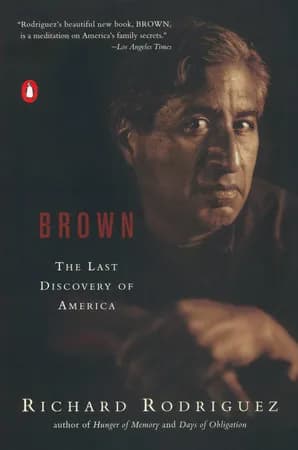
We grow up thinking that the beautiful and the talented have been born that way, because they are born rich. The boys in the college gym with fine, muscular bodies—I thought they were athletes because of their bodies, not that their bodies were muscular because they were athletes. I thought I was the only one in the world who had to try so hard to become.
Eventually it comes to you: the thing that makes you exceptional, if you are at all, is inevitably that which must also make you lonely.
p. 137
I am personally quite convinced that no matter what training or education I might have received, I could never have run a four-minute mile, discovered Gödel's theorems, composed a Beethoven quartet, or risen to any of other innumerable heights of human achievement. I feel in no way demeaned by these inadequacies. It is quite enough that I am capable, as I think any person of normal endowments probably is, of appreciating and in part understanding what others have accomplished, while making my own personal contributions in whatever measure and manner I am able to do so. Human talents vary considerably, within a fixed framework that is characteristic of the species and that permits ample scope for creative work, including the creative work of appreciating the achievements of others. This should be a matter for delight rather than a condition to be abhorred. Those who assume otherwise must be adopting the tacit premise that people's rights or social reward are somehow contingent on their abilities. As for human rights, there is an element of plausibility in this assumption in the single respect already noted: in a decent society, opportunities should conform as far as possible to personal needs, and such needs may be specialized and related to particular talents and capacities. My pleasure in life is enhanced by the fact that others can do many things that I cannot, and I see no reason to want to deny these people the opportunity to cultivate their talents, consistent with general social needs. Difficult questions of practice are sure to arise in any functioning social group, but I see no problem of principle.
p. 198
I was not a poet. I felt no consolation in this knowledge, but only a red anger that evolution could allow such sensitivity and such inadequacy to coexist in the same mind. In one ego, my ego, screaming like a hare caught in a gin.
Children's lies are signs of great talent.
People in their right minds never take pride in their talents.
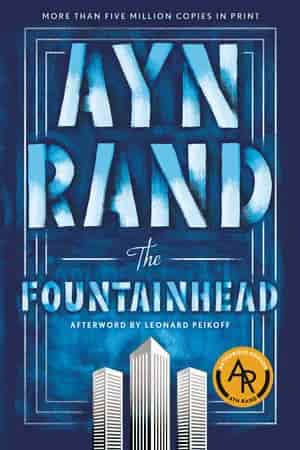
"It's easy to run to others. It's so hard to stand on one's own record. You can fake virtue for an audience. You can't fake it in your own eyes. Your ego is your strictest judge. They run from it. They spend their lives running. It's easier to donate a few thousand to charity and think oneself noble than to base self-respect on personal standards of personal achievement. It's simple to seek substitutes for competence—such easy substitutes; love, charm, kindness, charity. But there is no substitute for competence."
p. 658
If you have been given a talent, exercise it freely and happily like the sun: give everyone from your splendour.
“That's wrong," she declared. "Everyone must have one thing that they can excel at. It's just a matter of drawing it out, isn't it? But school doesn't know how to draw it out. It crushes the gift. It's no wonder most people never get to be what they want to be. They just get ground down.”
...talent and genius operate outside the rules, and theory conflicts with practice.
Any complex activity, if it is to be carried on with any degree of virtuosity, calls for appropriate gifts of intellect and temperament. If they are outstanding and reveal themselves in exceptional achievements, their possessor is called a 'genius'.
Strength is not energy. Some writers have more muscles than talent.