Quotes
“Who is this Hemingway person at all?”
“A guy that keeps saying the same thing over and over until you begin to believe it must be good.”
“That must take a hell of a long time,” the big man said.
Events of the past two years have virtually decreed that I shall wrestle with the literary muse for the rest of my days. And so, having tasted the poverty of one end of the scale, I have no choice but to direct my energies toward the acquisition of fame and fortune. Frankly, I have no taste for either poverty or honest labor, so writing is the only recourse left me.
p. 106
I find that by putting things in writing I can understand them and see them a little more objectively. … For words are merely tools and if you use the right ones you can actually put even your life in order, if you don't lie to yourself and use the wrong words.
p. 133
Here is a lesson in creative writing. First rule: Do not use semicolons. They are transvestite hermaphrodites representing absolutely nothing. All they do is show you've been to college.
Who is more to be pitied, a writer bound and gagged by policemen or one living in perfect freedom who has nothing more to say?
p. 168
And I believe that reading and writing are the most nourishing forms of meditation anyone has so far found. By reading the writings of the most interesting minds in history, we meditate with our own minds and theirs as well. This to me is a miracle.
I have become an enthusiast for the printed word again. I have to be that, I now understand, because I want to be a character in all of my works. I can do that in print. In a movie, somehow, the author always vanishes. Everything of mine which has been filmed so far has been one character short, and that character is me.
When a man becomes a writer, I think he takes on a sacred obligation to produce beauty and enlightenment and comfort at top speed.
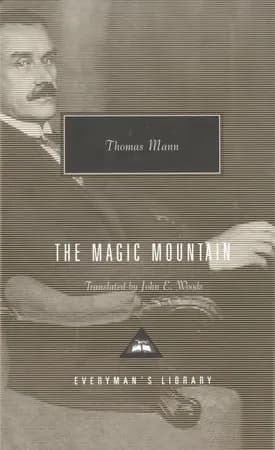
Writing well was almost the same as thinking well, and thinking well was the next thing to acting well. All moral discipline, all moral perfection derived from the soul of literature, from the soul of human dignity, which was the moving spirit of both humanity and politics. Yes, they were all one, one and the same force, one and the same idea, and all of them could be comprehended in one single word... The word was — civilization!
“I always play with everybody,” said Honoré. “It is my vocation. God put me on the earth to do with people what cats do to mice. Play with them, chew the last bit of life out of them, them pick them up in my mouth and drop them on people’s doorsteps. That is the business of literature.”
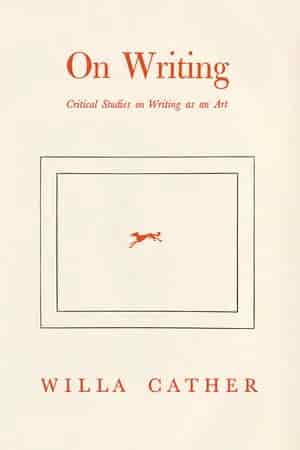
Writing ought either to be the manufacture of stories for which there is a market demand — a business as safe and commendable as making soap or breakfast foods — or it should be an art, which is always a search for something for which there is no market demand, something new and untried, where the values are intrinsic and have nothing to do with standardized values.
The higher processes are all processes of simplification. The novelist must learn to write, and then he must unlearn it; just as the modern painter learns to draw, and then learns when utterly to disregard his accomplishment, when to subordinate it to a higher and truer effect.