Quotes about music
134 quotes · 92 authors
Quotes
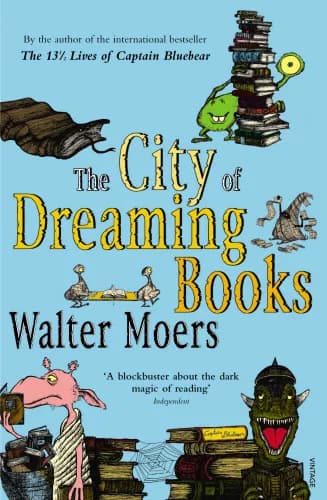
What can be done in a sepulcher, they agonised, and what can be done in a hell, they sang. For where there is no more hope, song remains.
p. 837
Songs can even draw the moon down from heaven.
Let us go singing as far as we go: the road will be less tedious.
Almost without words he had shown him what music really was.
It is not easy to determine the nature of music, or why any one should have a knowledge of it.
“Shall it be that I never hear of anything except deeds of bloodshed and violence? Would it be possible in these turbulent times for a man to listen to words of wisdom regarding music or the poets?”
You probably suppose that what you heard last night was music. Allow me to correct you: it was acoustic alchemy, hypnosis by means of sound waves. Music is the least resistible of all the arts, so I simply had to make use of it. Try getting an audience to dance by reciting a poem! Try getting them to march! Impossible! Only music can do that.
p. 145
I now understood the secret of music and knew what makes it so infinitely superior to all the other arts: its incorporeality. Once it has left an instrument it becomes its own master, a free and independent creature of sound, weightless, incorporeal and perfectly in tune with the universe.
p. 129
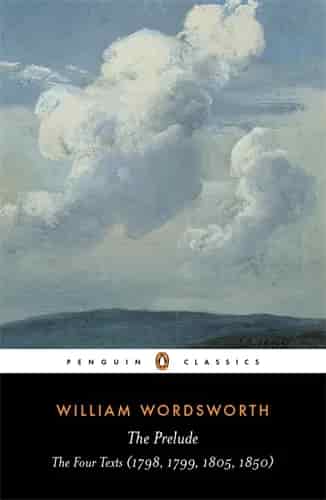
Dust as we are, the immortal spirit grows
Like harmony in music; there is a dark
Inscrutable workmanship that reconciles
Discordant elements, makes them cling together
In one society.
Next to music beer was best.
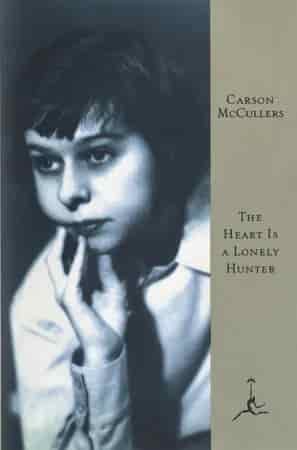
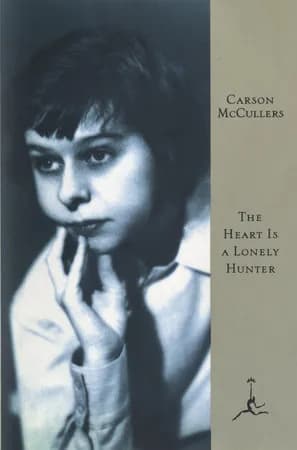
She wished there was some place where she could go to hum it out loud. Some kind of music was too private to sing in a house cram full of people. It was funny, too, how lonesome a person could be in a crowded house.
As an unintended result of the Nazi occupation [of Denmark, where Morgenstern lived at the time], jazz became more popular than ever—a phenomenon universal to countries under the Hitler jackboot. In France, Django Reinhardt enjoyed the greatest acclaim of his career, and even in Germany, there were clandestine groups of jazz fans who'd meet to listen to records. Jazz was anathema to the Nazis. who considered it a mongrel affront to Aryan "culture," the product of an unholy alliance between Africans and Jews. But to those who hated the Nazis, jazz stood for freedom, for democracy, and for the spirit of America, which, especially after Pearl Harbor, seemed to embody hope for a better future.
p. 25