Quotes
War as a moral metaphor is limited, limiting, and dangerous. By reducing the choices of action to 'a war against' whatever-it-is, you divide the world into Me or Us (good) and Them or It (bad) and reduce the ethical complexity and moral richness of our life to Yes/No, On/Off. This is puerile, misleading, and degrading. In stories, it evades any solution but violence and offers the reader mere infantile reassurance. All too often the heroes of such fantasies behave exactly as the villains do, acting with mindless violence, but the hero is on the “right” side and therefore will win. Right makes might.
Unless physical action reflects psychic action, unless the deeds express the person, I get very bored with adventure stories; often it seems that the more action there is, the less happens.
p. 166
Happy ending must come at the end of something. If they happen in the middle of the story or adventure, or the like, all they do is cheer things up for a while.
The attempt to devote oneself to literature alone is a most deceptive thing, and … often, paradoxically, it is literature that suffers for it.
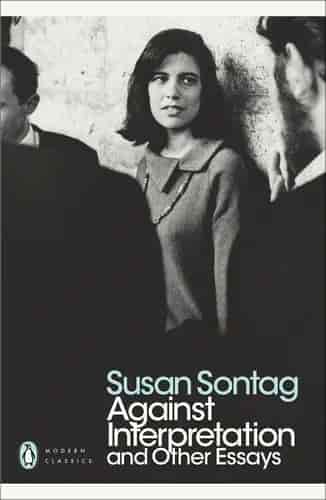
Interpretation thus presupposes a discrepancy between the clear meaning of the text and the demands of (later) readers. It seeks to resolve that discrepancy. The situation is that for some reason a text has become unacceptable; yet it cannot be discarded. Interpretation is a radical strategy for conserving an old text, which is thought too precious to repudiate, by revamping it. The interpreter, without actually erasing or rewriting the text, is altering it. But he can’t admit to doing this. He claims to be only making it intelligible, by disclosing its true meaning.
p. 6
The work of Kafka … has been subjected to a mass ravishment by no less than three armies of interpreters. Those who read Kafka as a social allegory see case studies of the frustrations and insanity of modern bureaucracy and its ultimate issuance in the totalitarian state. Those who read Kafka as a psychoanalytic allegory see desperate revelations of Kafka’s fear of his father, his castration anxieties, his sense of his own impotence, his thralldom to his dreams. Those who read Kafka as a religious allegory explain that K. in The Castle is trying to gain access to heaven, that Joseph K. in The Trial is being judged by the inexorable and mysterious justice of God.
The old style of interpretation was insistent, but respectful; it erected another meaning on top of the literal one. The modern style of interpretation excavates, and as it excavates, destroys; it digs ‘behind’ the text, to find a sub-text which is the true one. The most celebrated and influential modern doctrines, those of Marx and Freud, actually amount to elaborate systems of hermeneutics, aggressive and impious theories of interpretation.
p. 6
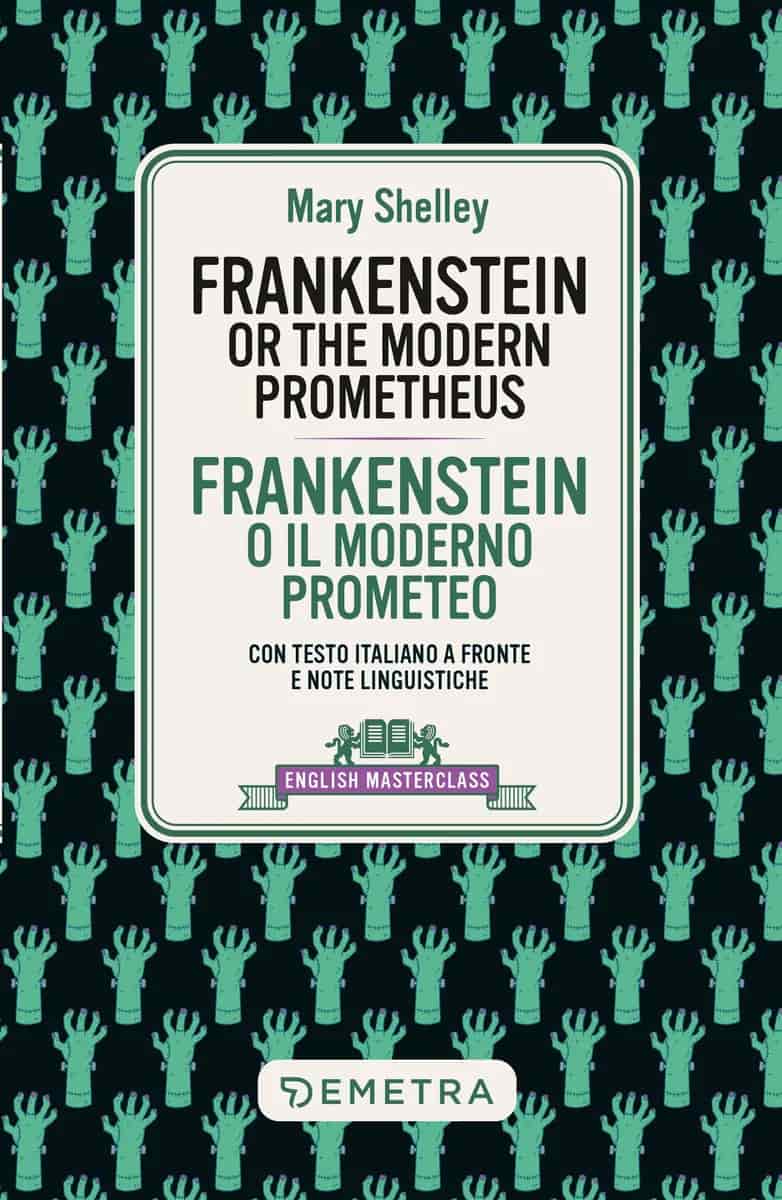
Paradise Lost excited different and far deeper emotions. I read it, as I had read the other volumes which had fallen into my hands, as a true history. It moved every feeling of wonder and awe that the picture of an omnipotent God warring with his creatures was capable of exciting. I often referred the several situations, as their similarity struck me, to my own. Like Adam, I was apparently united by no link to any other being in existence; but his state was far different from mine in every other respect. He had come forth from the hands of God a perfect creature, happy and prosperous, guarded by the especial care of his Creator; he was allowed to converse with and acquire knowledge from beings of a superior nature, but I was wretched, helpless, and alone.
Literary critics like Lionel Trilling … demand that our novels illuminate the manners and morals of prevailing society. Professor Trilling is right, because otherwise what use are they for us? But he is wrong-headed, because he does not see that the burden of proof is not on the artist but on our society. If such convenient criticism of prevalent life does not get to be written, it is likely that the prevailing society is not inspiring enough; its humanity is not great enough, it does not have enough future, to be worth the novelist’s trouble.
p. 214
[The art of the novel] does not simply consist in the author's telling a story about the adventures of some other person. On the contrary, it happens because the storyteller's own experience of men and things, whether for good or ill—not only what he has passed through himself, but even events which he has only witnessed or been told of—has moved him to an emotion so passionate that he can no longer keep it shut up in his heart.
Anything whatsoever may become the subject of a novel, provided only that it happens in this mundane life and not in some fairyland beyond our human ken.
All plots tend to move deathwards. This is the nature of plots.