Quotes
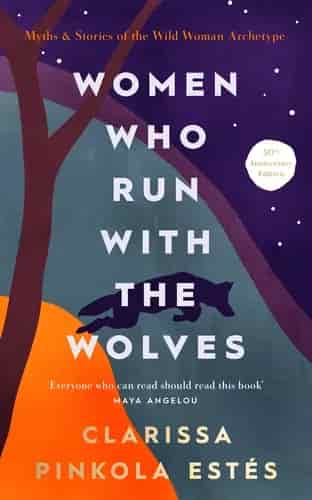
Reconciling the opposites of life and death, of celebration and grief, of laughter and rage is no simple task, yet it is one worthy of our best understanding and our best effort. If, in all these centuries of death, we have continued to endure, we must celebrate that fact and the fact of our vitality in the face of what seemed, to many, inevitable extinction. For however painful and futile our struggle becomes, we have but to look outside at the birds, the deer, and the seasons to understand that change does not mean destruction, that life, however painful and even elusive it is at times, contains much joy and hilarity, pleasure and beauty for those who live within its requirements with grace.
In the ancient bardic tradition the bards sang only of love and death. Certainly these twin themes encompass the whole of human experience. Loving, celebrating, and joining are the source of life, but they necessarily occur against a background of potential extinction. Thus, these themes become the spindle and loom of the poets’ weavings, for from the interplay of connection and disconnection come our most significant understandings of ourselves, our fellow creatures, and our tradition, our past.
the Life/Death/Life forces are part of our own nature, an inner authority that knows the steps, knows the dance of Life and Death. It is composed of the parts of ourselves who know when something can, should, and must be born and when it must die. It is a deep teacher if we can only learn its tempo. Rosario Castellanos, the Mexican mystic and ecstatic poet, writes about surrender to the forces that govern life and death: “... dadme la muerte que me falta .../give me the death I need . . .” Poets understand that there is nothing of value without death
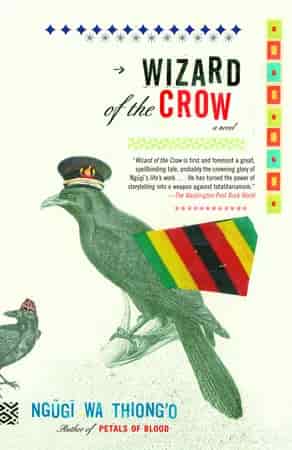
It's terrible when the old have to bury the young. But it is more terrible when neither the old nor the young are there to bury each other.
It’s not easy to speak of nonexistence, even if you’ve already commissioned your tomb.
p. 79
Probably only one person in the world had been interested in whether the old man lived or died, and he'd been the first to know. (p. 91)
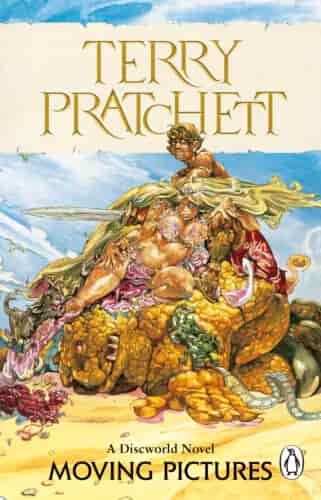
It was said that life was cheap in Ankh-Morpork. This was, of course, completely wrong. Life was often very expensive; you could get death for free. (p. 35)
Funny, that. When he was alive it had all seemed so sensible, so obvious. Now he was dead it looked a huge waste of effort. (p. 71)
When you die, the first thing you lose is your life. The next thing is your illusions. (p. 58)
The culture of the river kingdom had a lot to say about death and what happened afterward. In fact it had very little to say about life, regarding it as a sort of inconvenient prelude to the main event and something to be hurried through as politely as possible. (p. 56)
What a nasty act of cruelty, giving a dying man his last wish. Don't you realize he doesn't want it? His real wish is not to die.
Does anyone go to the grave satisfied? The satisfaction can't exist as long as there's one itch left to scratch. And I don't care who you are, there's always an itch.