Quotes
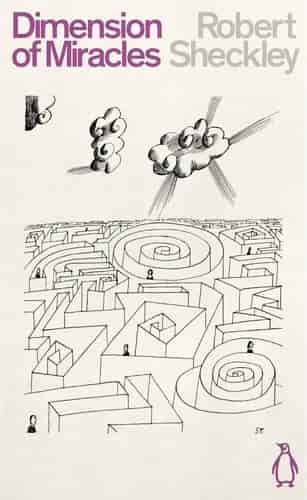
What good is this, I ask you? He who hurries through life hurries to his grave.
A ruler who hides behind paid executioners soon forgets what death is.
If you would take a man's life, you owe it to him to look into his eyes and hear his final words. And if you cannot bear to do that, then perhaps the man does not deserve to die.
Death is so terribly final, while life is full of possibilities.
With them who stood upon the brink of the great gulf which none can see beyond, Time, so soon to lose itself in vast Eternity, rolled on like a mighty river, swollen and rapid as it nears the sea. It was morning but now; they had sat and talked together in a dream; and here was evening. The dreadful hour of separation, which even yesterday had seemed so distant, was at hand.
When he died he would not end. The world would end.
But now she was fifty-seven, and suddenly ancient. Soon she would be dead. Dead. You can’t get any more ancient than that.
p. 4
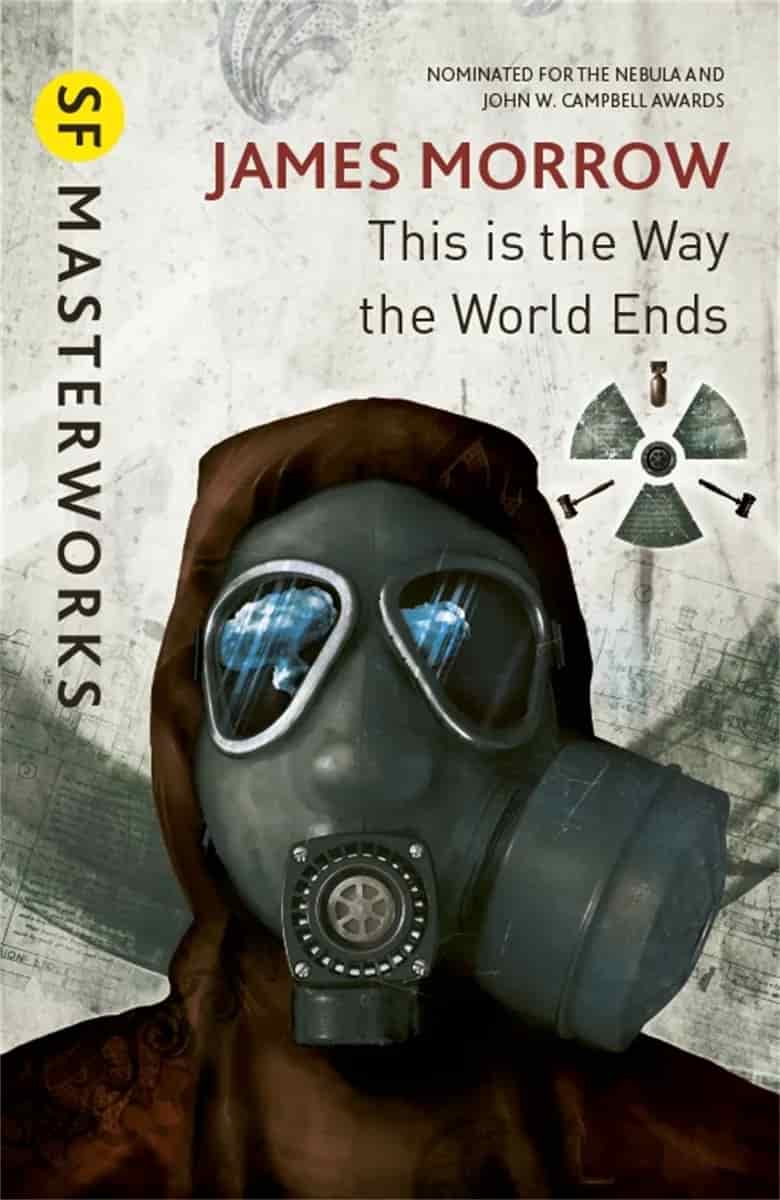
“Your predator is close behind you and will infallibly be your death.”
“I don’t doubt it,” Carmody said, in a moment of strange calm.” But in terms of long-range planning, I never did expect to get out of this Universe alive.”
“That is meaningless,” the Prize said. “The fact is, you have lost everything.”
“I don’t agree,” Carmody said. “Permit me to point out that I am presently still alive.”
“Agreed. But only for the moment.”
“I have always been alive only for the moment,” Carmody said. “I could never count on more. It was my error to expect more. That holds true, I believe, for all of my possible and potential circumstances.”
“Then what do you hope to achieve with your moment?”
“Nothing,” Carmody said. “Everything.”
“I don’t understand you any longer,” the Prize said. “Something about you has changed, Carmody. What is it?”
“A minor thing,” Carmody told him. “I have simply given up a longevity which I never possessed anyhow. I have turned away from the con game which the Gods run in their heavenly sideshow. I no longer care under which shell the pea of immortality might be found. I don’t need it. I have my moment, which is quite enough.”
“Saint Carmody,” the Prize said, in tones of deepest sarcasm. “No more than a shadow’s breadth separates you and death! What will you do now with your pitiable moment?”
“I shall continue to live it,” Carmody said. “That is what moments are for.”
p. 189
There's a reason that so many religions and wisdom traditions counsel meditating on death, and it's because there's almost nothing that delivers you so quickly to the preciousness of life than to think about death.
Seneca suggested that each night we tell ourselves that "You may not wake up tomorrow," and that we greet every morning with the reminder that "You may not sleep again." All of these practices are meant to help us treat our lives, and each other, as the precious gifts they are.
p. 192
Gravestones, he knew, were educational media, teaching that life has limits: don’t set your sights too high.
p. 14
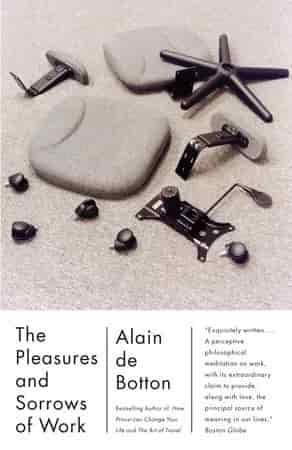
Death is hard to keep in mind when there is work to be done. … Work does not by its nature permit us to do anything other than take it too seriously. It must destroy our sense of perspective, and we should be grateful to it for precisely this reason, for allowing us to mingle ourselves promiscuously with events, for letting us wear thoughts of our own death and the destruction of our enterprises with beautiful lightness, as mere intellectual propositions. … We function of the basis of a necessary myopia. Therein is the sheer energy of existence, a blind will no less impressive than that which we find in a moth arduously crossing a window ledge, … refusing to contemplate the broader scheme in which he will be dead by nightfall. The arguments for our triviality and vulnerability are too obvious, too well known and tedious to rehearse. What is interesting is that we may take it upon ourselves to approach tasks with utter determination and gravity even when their wider non-sense is clear. The impulse to exaggerate the significance of what we are doing, far from being an intellectual error, is really life itself coursing through us.
p. 324