Quotes about censorship
27 quotes · 19 authors
Quotes
We are fighting. We are fighting a life-and-death struggle. The Press is a weapon not of an abstract society, but of two irreconcilable, armed and contending sides. We are destroying the Press of the counter-revolution, just as we destroyed its fortified positions, its stores, its communications and its intelligence system.
They began by controlling books of cartoons and then detective books and, of course, films, one way or another, one group or another, political bias, religious prejudice, union pressures; there was always a minority afraid of something, and a great majority afraid of the dark, afraid of the future, afraid of the past, afraid of the present, afraid of themselves and shadows of themselves.
All the excitements of a prohibited book had their usual effect, one of which, as always, is to expose the fact that the censors don't know what they are talking about.
It is not enough to "have" free speech. People must learn to speak freely. Noam Chomsky remarked in the sixties about the short-life ultra-radicals on campus who thought that Marx should have been burning down the British Museum rather than writing and thinking in it. The less political descendants of that faction have now tried to reduce life to a system of empowerment etiquette, and have wasted a lot of their own time and everyone else's in the process. But the real bridle on our tongues is imposed by the everyday lying and jargon, sanctioned and promulgated at the highest levels of media and politics, and not by the awkward handful who imagine themselves revolutionaries.
And on the subject of burning books: I want to congratulate librarians, not famous for their physical strength or their powerful political or their great wealth, who, all over this country, have staunchly resisted bullies who have tried to remove certain books from their shelves, and have refused to reveal to the names of persons who have checked out those titles.
Who is more to be pitied, a writer bound and gagged by policemen or one living in perfect freedom who has nothing more to say?
p. 168
Information is antifragile; it feeds more on attempts to harm it than it does on efforts to promote it.
p. 49
Political correctness, in the extreme versions worthy of the name, is antithetical to almost all surprising advances in thought. We might call it eumemics, since it is, like the extreme eugenics of Social Darwinists, an attempt to impose myopically derived standards of safety and goodness on the bounty of nature. Few today — but there are a few — would brand all genetic counseling, all genetic policies, with the condemnatory title of eugenics.
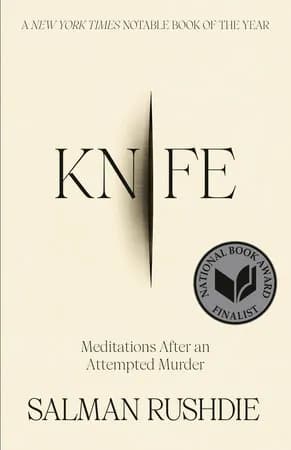
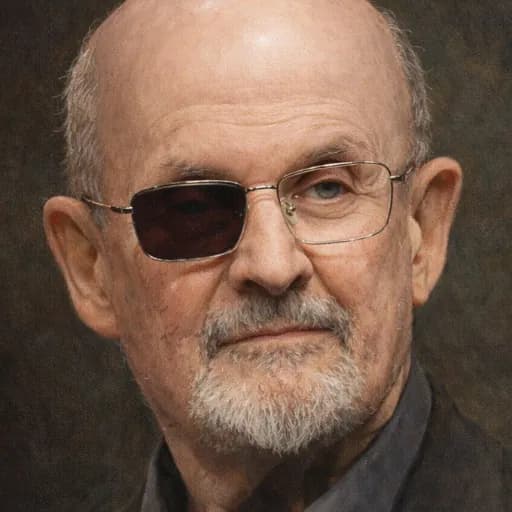
Art is not a luxury. It stands at the essence of our humanity, and it asks for no special protection except the right to exist.
It accepts argument, criticism, even rejection. It does not accept violence.
And in the end, it outlasts those who oppress it. The poet Ovid was exiled by Augustus Caesar, but the poetry of Ovid has outlasted the Roman Empire. The poet Mandelstam's life was ruined by Joseph Stalin, but his poetry has outlasted the Soviet Union. The poet Lorca was murdered by the thugs of General Franco, but his art has outlasted the fascism of the Falange.
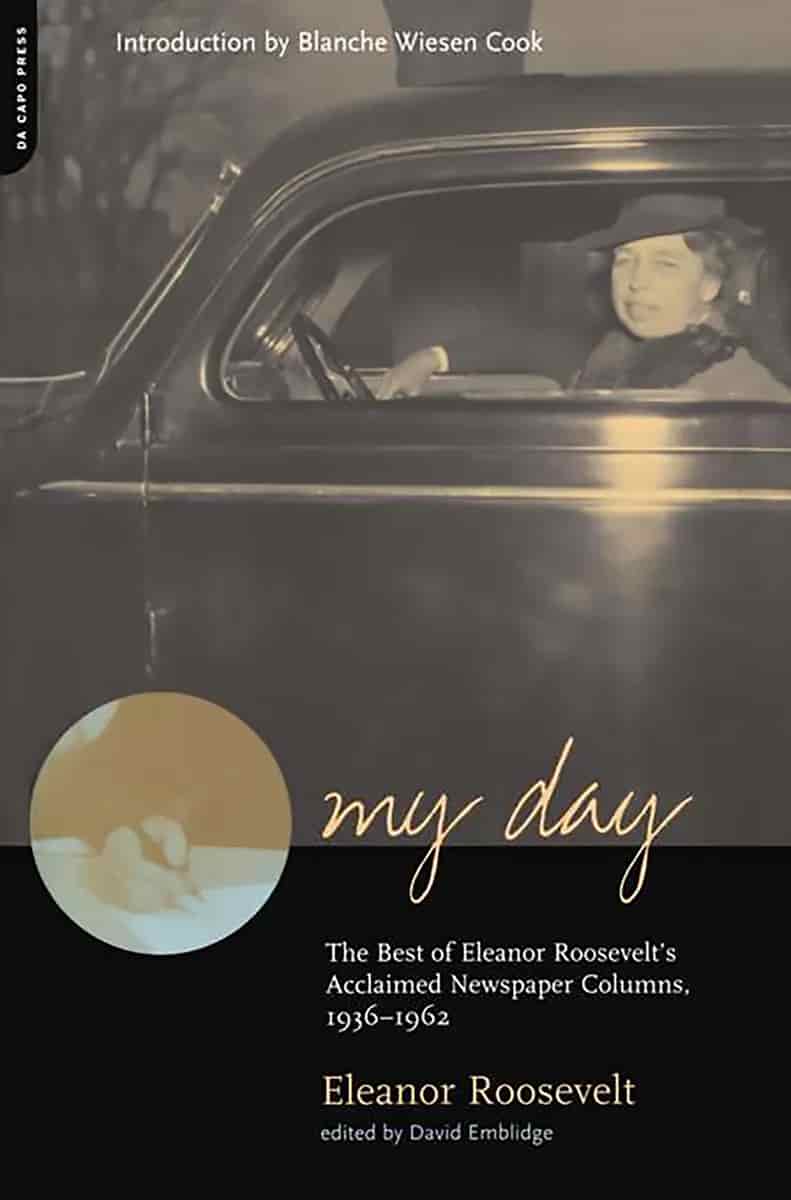
What is going on in the Un-American Activities Committee worries me primarily because little people have become frightened and we find ourselves living in the atmosphere of a police state, where people close doors before they state what they think or look over their shoulders apprehensively before they express an opinion.
I have been one of those who have carried the fight for complete freedom of information in the United Nations. And while accepting the fact that some of our press, our radio commentators, our prominent citizens and our movies may at times be blamed legitimately for things they have said and done, still I feel that the fundamental right of freedom of thought and expression is essential. If you curtail what the other fellow says and does, you curtail what you yourself may say and do.
In our country we must trust the people to hear and see both the good and the bad and to choose the good. The Un-American Activities Committee seems to me to be better for a police state than for the USA. (29 October 1947)
I have waited a while before saying anything about the Un-American Activities Committee's current investigation of the Hollywood film industry. I would not be very much surprised if some writers or actors or stagehands, or what not, were found to have Communist leanings, but I was surprised to find that, at the start of the inquiry, some of the big producers were so chicken-hearted about speaking up for the freedom of their industry.
One thing is sure — none of the arts flourishes on censorship and repression. And by this time it should be evident that the American public is capable of doing its own censoring. Certainly, the Thomas Committee is growing more ludicrous daily. (29 October 1947)
One of the best ways of enslaving a people is to keep them from education... The second way of enslaving a people is to suppress the sources of information, not only by burning books but by controlling all the other ways in which ideas are transmitted. (11 May 1943)