Leafy Quotes
Recently added
The newest book quotes in the Leafy Quotes collection — passages readers have just added, each with its author, book and the page it came from.
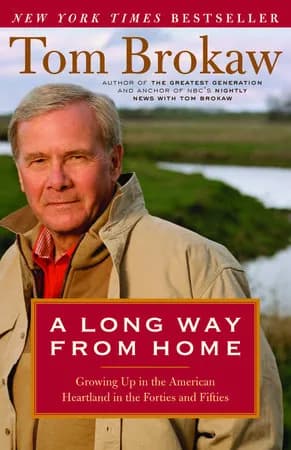
The world in which I work and live is a long way from home, but the early bearings I took as a child on the prairie, surrounded by working people and the communities they established, often in difficult circumstances, have been a steadying and reassuring presence. They are familiar markers and sentinels, useful and reliable even now, forty years after I left the land and the people that launched me.
p. 233
In 1962, I put my home state of South Dakota in a rearview mirror and drove away. I was uncertain of my final destinatin but determined to get well beyond the slow rhythms of life in the small towns and rural culture of the Great Plains. I thought that the influences of the people, the land, and the time during my first twenty-two years of life were part of the past. But gradually I came to know how much they meant to my future, and so I have returned often as part of a long pilgrimage of renewal.
When I do return, my wardrobe and home address are New York, my job is high-profile, and my bank account is secure, but when I enter a South Dakota cafe or stop for gas, I am just someone who grew up around here, left a while back, and never really answers when he's asked, "When you gonna move back home?" I am caught in that place all too familiar to small-state natives who have moved on to a rewarding life in larger arenas: I don't want to move back, but in a way I never want to leave. I am nourished by every visit.
p. 3
I am a child of the American men and women who grew up in the Great Depression, who came of age in World War II and then devoted their adult years to the building of modern America- the remarkable people I wrote about in The Greatest Generation. As I walked the beaches of Normandy on the fortieth and fiftieth anniversaries of D-Day, I first began to fully realize how they had shaped my life. They were my parents and the parents of my friends, teachers, ministers, physicians, and hometown merchants, the men and women who showed me the way through their own exacting standards of hard work, sacrifice, and personal responsibility. I began to understand how much I owed them.
It is not surprising, I suppose, that the horrors of war give birth to a new generation of good Samaritans. Young men and women who have been so intensely exposed to such inhumanity often make a silent pledge that if they ever escape this dark world of death and injuries, this universe of cruelty, they will devote their lives to good works. Sometimes the pledge is a conscious thought. Sometimes it is a subconscious reaction to their experiences.
p. 26
"Hero" is a description tossed around lightly these days- like "star" or "celebrity"- another significant difference between the closing days of the twentieth century and the century's middle years, World War II. During the war the use of the phrase "You're a hero" was likely to bring on the quick rejoinder, "No, I'm not; I'm just doing my job here- like everyone else." The fighting men and women were so dependent on each other and shared so many common experiences they were embarrassed to be singled out.
Some acts of heroism, however, were so breathtakingly conspicuous, so daring and vital to the military mission, they could not be overlooked or turned aside. In many instances they changed forever the lives of those who were decorated. Others who were decorated returned to the lives they would have had without the medal and the attention.
If there is a common thread among the major medal winners, it is the same modesty expressed by Army nurse Mary Louise Roberts Wilson when she received the Silver Star. Almost to a person they have said to me, "I didn't win this medal. I merely accepted it for all the people who were with me." Nevertheless, they did win it, and the very qualities that led them to take great risks to save others served them well once they returned home.
p. 103
healthy people appreciate honesty and don’t abandon us if we say no.
Boundaries will set you free. (Introduction)
The most important question you need to answer is What do you want for your life? Bear in mind that what you want might not currently exist in your family.
Tell people what you need.
The ability to say no to yourself is a gift. If you can resist your urges, change your habits, and say yes to only what you deem truly meaningful, you’ll be practicing healthy self-boundaries. It’s your responsibility to care for yourself without excuses.
It’s true that setting boundaries isn’t easy. Paralyzing fear about how someone might respond can easily hold us back. You might play out awkward interactions in your mind and prepare yourself for the worst possible outcome. But trust me: short-term discomfort for a long-term healthy relationship is worth it every time!
The hardest thing about implementing boundaries is accepting that some people won’t like, understand, or agree with yours. Once you grow beyond pleasing others, setting your standards becomes easier. Not being liked by everyone is a small consequence when you consider the overall reward of healthier relationships.