 Leafy Quotes
Recently added
The newest book quotes in the Leafy Quotes collection — passages readers have just added, each with its author, book and the page it came from.
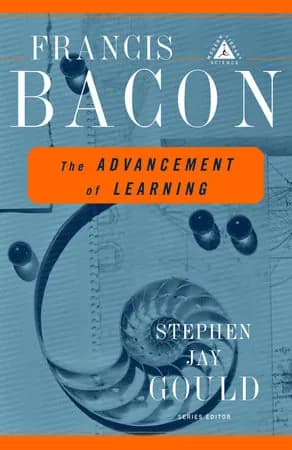
Let great authors have their due, as time, which is the author of authors, be not deprived of his due, which is, further and further to discover truth.
Homer has taught all other poets the art of telling lies skillfully.
The two ways of contemplation are not unlike the two ways of action commonly spoken of by the ancients: the one plain and smooth in the beginning, and in the end impassable; the other rough and troublesome in the entrance, but after a while fair and even. So it is in contemplation: If a man will begin with certainties, he shall end in doubts; but if he will be content to begin with doubts he shall end in certainties.
We are much beholden to Machiavel and others, that write what men do, and not what they ought to do.
Time, which is the author of authors.
They are ill discoverers that think there is no land, when they can see nothing but sea.
For the purposes of poetry a convincing impossibility is preferable to an unconvincing possibility.
Sacred and inspired divinity, the sabaoth and port of all men's labours and peregrinations.
For all knowledge and wonder (which is the seed of knowledge) is an impression of pleasure in itself.
States as great engines move slowly.
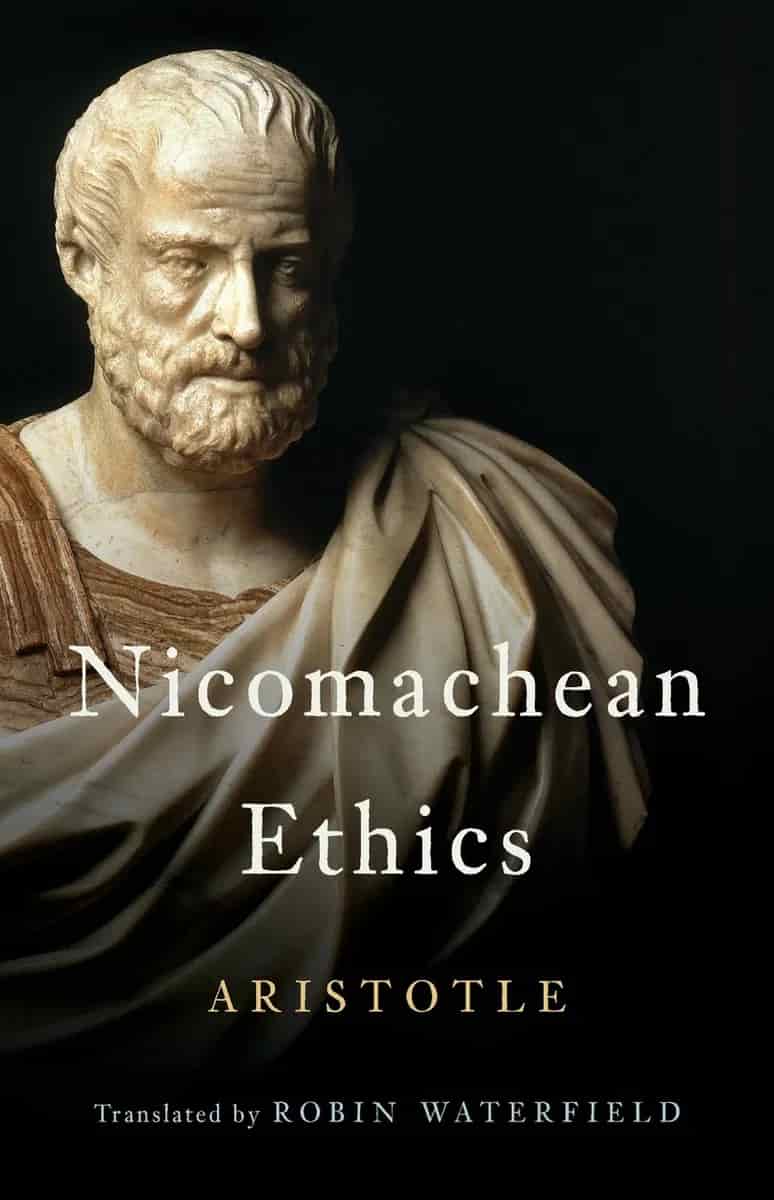
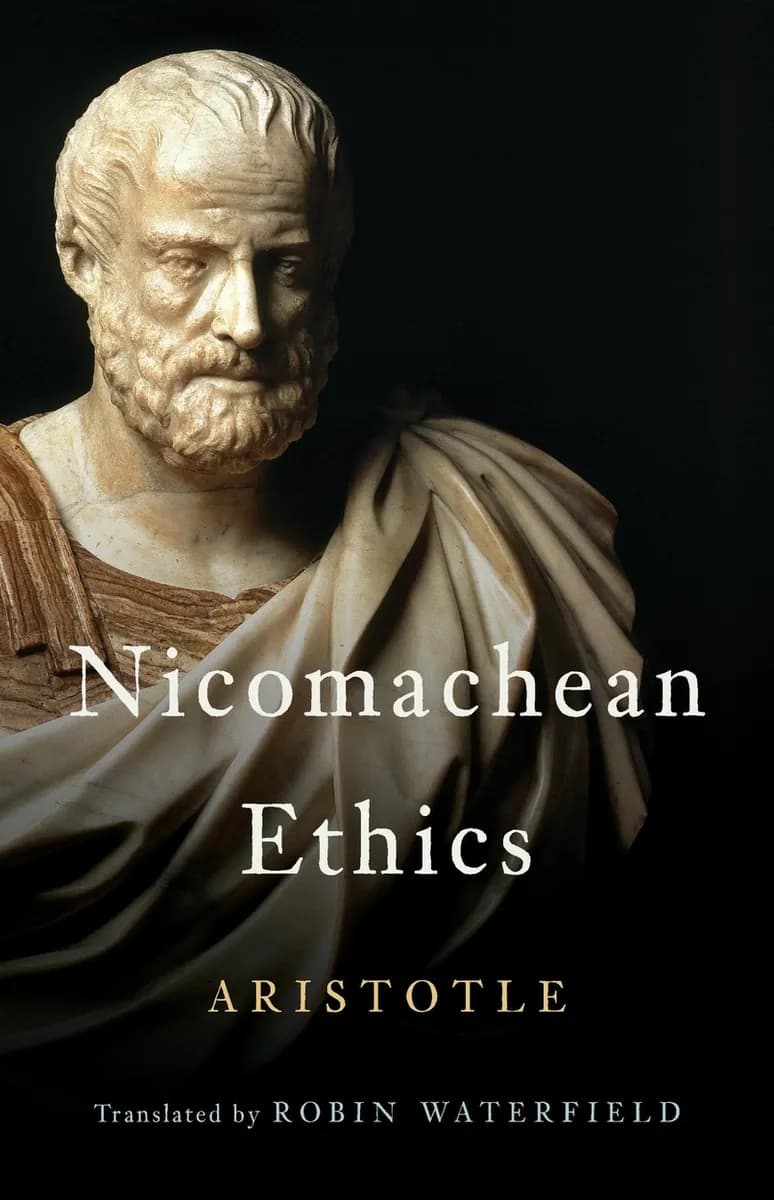
Let this serve as an outline of the good; for we must presumably first sketch it roughly, and then later fill in the details. But it would seem that any one is capable of carrying on and articulating what has once been well outlined, and that time is a good discoverer or partner in such a work; to which facts the advances of the arts are due; for any one can add what is lacking. And we must also remember what has been said before, and not look for precision in all things alike, but in each class of things such precision as accords with the subject-matter, and so much as is appropriate to the inquiry. For a carpenter and a geometer investigate the right angle in different ways; the former does so in so far as the right angle is useful for his work, while the latter inquires what it is or what sort of thing it is; for he is a spectator of the truth. We must act in the same way, then, in all other matters as well, that our main task may not be subordinated to minor questions. Nor must we demand the cause in all matters alike; it is enough in some cases that the fact be well established, as in the case of the first principles; the fact is the primary thing or first principle. Now of first principles we see some by induction, some by perception, some by a certain habituation, and others too in other ways. But each set of principles we must try to investigate in the natural way, and we must take pains to state them definitely, since they have a great influence on what follows. For the beginning is thought to be more than half of the whole, and many of the questions we ask are cleared up by it.
Now the activity of the practical virtues is exhibited in political or military affairs, but the actions concerned with these seem to be unleisurely. Warlike actions are completely so (for no one chooses to be at war, or provokes war, for the sake of being at war; any one would seem absolutely murderous if he were to make enemies of his friends in order to bring about battle and slaughter); but the action of the statesman is also unleisurely, and-apart from the political action itself—aims at despotic power and honours, or at all events happiness, for him and his fellow citizens—a happiness different from political action, and evidently sought as being different. So if among virtuous actions political and military actions are distinguished by nobility and greatness, and these are unleisurely and aim at an end and are not desirable for their own sake, but the activity of reason, which is contemplative, seems both to be superior in serious worth and to aim at no end beyond itself, and to have its pleasure proper to itself (and this augments the activity), and the self-sufficiency, leisureliness, unweariedness (so far as this is possible for man), and all the other attributes ascribed to the supremely happy man are evidently those connected with this activity, it follows that this will be the complete happiness of man, if it be allowed a complete term of life.