Leafy Quotes
Recently added
The newest book quotes in the Leafy Quotes collection — passages readers have just added, each with its author, book and the page it came from.
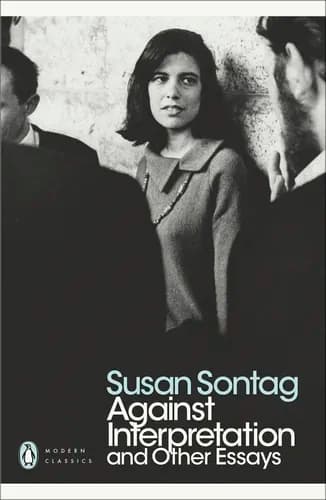
Transparence is the highest, most liberating value in art—and in criticism—today. Transparence means experiencing the luminousness of the thing in itself, of things being what they are.
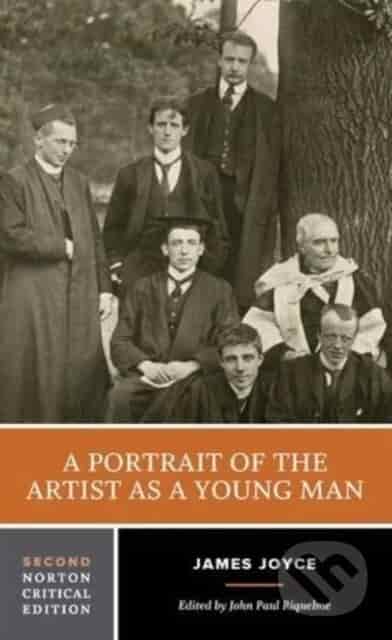
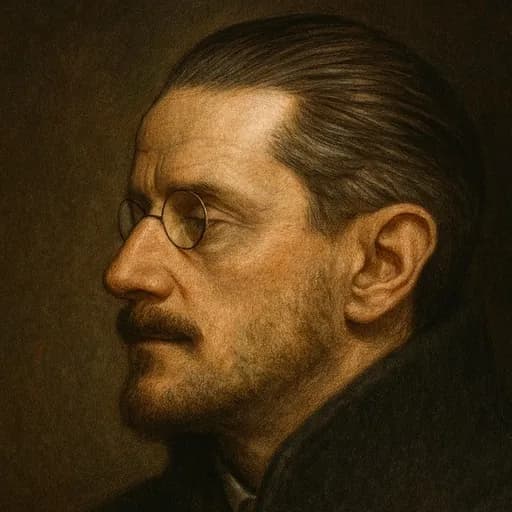
You made me confess the fears that I have. But I will tell you also what I do not fear. I do not fear to be alone or to be spurned for another or to leave whatever I have to leave. And I am not afraid to make a mistake, even a great mistake, a lifelong mistake and perhaps as long as eternity too.
When the soul of a man is born in this country there are nets flung at it to hold it back from flight. You talk to me of nationality, language, religion. I shall try to fly by those nets.
What the overemphasis on the idea of content entails is the perennial, never consummated project of interpretation. And, conversely, it is the habit of approaching works of art in order to interpret them that sustains the fancy that there really is such a thing as the content of a work of art.
p. 5
The old style of interpretation was insistent, but respectful; it erected another meaning on top of the literal one. The modern style of interpretation excavates, and as it excavates, destroys; it digs ‘behind’ the text, to find a sub-text which is the true one. The most celebrated and influential modern doctrines, those of Marx and Freud, actually amount to elaborate systems of hermeneutics, aggressive and impious theories of interpretation.
p. 6
I will tell you what I will do and what I will not do. I will not serve that in which I no longer believe, whether it call itself my home, my fatherland, or my church: and I will try to express myself in some mode of life or art as freely as I can and as wholly as I can, using for my defence the only arms I allow myself to use — silence, exile and cunning.
Real art has the capacity to make us nervous. By reducing the work of art to its content and then interpreting that, one tames the work of art. Interpretation makes art manageable, comformable.
p. 8
Interpretation is not (as most people assume) an absolute value, a gesture of mind situated in some timeless realm of capabilities. Interpretation must itself be evaluated, within a historical view of human consciousness.''' In some cultural contexts, interpretation is a liberating act. It is a means of revising, of transvaluing, of escaping the dead past. In other cultural contexts, it is reactionary, impertinent, cowardly, stifling.
p. 6
Economic privation proceeds by easy stages, and so long as men suffer it patiently the outside world cares little.
p. 250
"Never think of pain or danger or enemies a moment longer than is necessary to fight them."
p. 1092
He had one illusion — France; and one disillusion — mankind, including Frenchmen, and his colleagues not least.
p. 32
Lenin is said to have declared that the best way to destroy the capitalist system was to debauch the currency. By a continuing process of inflation, governments can confiscate, secretly and unobserved, an important part of the wealth of their citizens. By this method they not only confiscate, but they confiscate arbitrarily; and, while the process impoverishes many, it actually enriches some. The sight of this arbitrary rearrangement of riches strikes not only at security, but at confidence in the equity of the existing distribution of wealth. Those to whom the system brings windfalls, beyond their deserts and even beyond their expectations or desires, become 'profiteers,' who are the object of the hatred of the bourgeoisie, whom the inflationism has impoverished, not less than of the proletariat. As the inflation proceeds and the real value of the currency fluctuates wildly from month to month, all permanent relations between debtors and creditors, which form the ultimate foundation of capitalism, become so utterly disordered as to be almost meaningless; and the process of wealth-getting degenerates into a gamble and a lottery.
Lenin was certainly right. There is no subtler, no surer means of overturning the existing basis of society than to debauch the currency. The process engages all the hidden forces of economic law on the side of destruction, and does it in a manner which not one man in a million is able to diagnose.
p. 235