Quotes
A science fiction writer is—or should be—constrained by what is, or logically might be. That can mean simple fidelity to facts (which, in science, are always more important than theories—though Lord knows the two help shape each other, undermining the convenient, complacent separation of observer and observed). To me it also means heeding the authentic, the actual and concrete. Bad fiction uses the glossy generality; good writing needs the smattering of detail, the unrelenting busy mystery of the real.
p. 246
As to the Adjective: when in doubt, strike it out.
Writing the history of the present is always a very different thing from writing the history of the distant past. The history of the distant past depends entirely on literary and documentary sources; the history of the present always involves unwritten material as well as documents. But the difference was much greater in the days of Thucydides than it is now.
p. 82
"You will have to know life," she declared, and her voice trembled with earnestness. She took hold of George Willard’s shoulders and turned him about so that she could look into his eyes. A passer-by might have thought them about to embrace. "If you are to become a writer you’ll have to stop fooling with words," she explained. "It would be better to give up the notion of writing until you are better prepared. Now it’s time to be living. I don’t want to frighten you, but I would like to make you understand the import of what you think of attempting. You must not become a mere peddler of words. The thing to learn is to know what people are thinking about, not what they say."
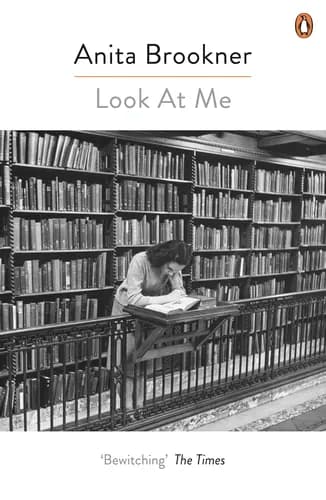
I saw the business of writing for what it truly was and is to me. It is your penance for not being lucky. It is an attempt to reach others and to make them love you. It is your instinctive protest, when you find you have no voice at the world's tribunals, and that no one will speak for you. I would give my entire output of words, past, present, and to come, in exchange for easier access to the world, for permission to state "I hurt" or "I hate" or "I want." Or, indeed, "Look at me." And I do not go back on this. For once a thing is known it can never be unknown. It can only be forgotten. And writing is the enemy of forgetfulness, of thoughtlessness. For the writer there is no oblivion. Only endless memory.
Then it happened. One night as the rain beat on the slanted kitchen roof a great spirit slipped forever into my life. I held his books in my hands and trembled as he spoke to me of man and the world, of love and wisdom, pain and guilt, and I knew I would never be the same. His name was Fyodor Mikhailovich Dostoyevsky. He knew more of fathers and sons than any man in the world, of brothers and sisters, priests and rogues, guilt and innocence. Dostoyevsky changed me. The Idiot, The Possessed, The Brothers Karamazov, The Gambler. He turned me inside out. I found I could breathe, could see invisible horizons. It was time to become a man, to leave San Elmo and go out into the world. I wanted to think and feel like Dostoyevsky. I wanted to write.
p. 72
I have never been able to write the story. I reach a certain point and cannot go on. The death of kings can be recited, but not of one’s child.
Lunatics are writers whose works write them.
“Anyway...I find what you write interesting.”
“That’s what people usually say when they disagree with it.”
p. 110
"There's a curious knot that binds novelists and terrorists...Years ago I used to think it was possible for a novelist to alter the inner life of the culture. Now bomb-makers and gunmen have taken that territory. They make raids on human consciousness. What writers used to do before we were all incorporated."
When a writer doesn't show his face, he becomes a local symptom of God's famous reluctance to appear.
The art of biography seems to have fallen on evil times in England. … With us, the most delicate and humane of all the branches of the art of writing has been relegated to the journeymen of letters; we do not reflect that it is perhaps as difficult to write a good life as to live one.