Quotes about reading
268 quotes · 149 authors
Quotes
I told the Englishman that my alma mater was books, a good library. Every time I catch a plane, I have with me a book that I want to read—and that's a lot of books these days. If I weren't out here every day battling the white man, I could spend the rest of my life reading, just satisfying my curiosity—because you can hardly mention anything I'm not curious about.
I hope, reader, that some time while our tragedy is still playing, in some interval between acts, we shall meet again. And we shall recognize one another. And forgive me if I have troubled you more than was needful and inevitable, more than I intended to do when I took up my pen proposing to distract you from your distractions. And may God deny you peace, but give you glory!
Reading should be encouraged at all times, with an effort to promote books that are worthwhile and that enlarge the recruit's facility to encounter the world of letters and great national problems
The book fascinated him, or more exactly it reassured him. In a sense it told him nothing that was new, but that was part of the attraction. It said what he would have said, if it had been possible for him to set his scattered thoughts in order. It was the product of a mind similar to his own, but enormously more powerful, more systematic, less fear-ridden. The best books, he perceived, are those that tell you what you know already.
"Books—oh! no. I am sure we never read the same, or not with the same feelings."
"I am sorry you think so; but if that be the case, there can at least be no want of subject. We may compare our different opinions."
Close thy Byron; open thy Goethe.
The Book had in a high degree excited us to self-activity, which is the best effect of any book.
In these frequent talks about the books I read, he used, as opportunity offered, to give me explanations and ideas respecting civilization, government, morality, mental cultivation, which he required me afterwards to restate to him in my own words. He also made me read, and give him a verbal account of, many books which would not have interested me sufficiently to induce me to read them of myself: among others, Millar's Historical View of the English Government, a book of great merit for its time, and which he highly valued; Mosheim's Ecclesiastical History, McCrie's Life of John Knox, and even Sewel's and Rutty's Histories of the Quakers. He was fond of putting into my hands books which exhibited men of energy and resource in unusual circumstances, struggling against difficulties and overcoming them: of such works I remember Beaver's African Memoranda, and Collins's account of the first settlement of New South Wales.
p. 8
In the same year in which I began Latin, I made my first commencement in the Greek poet with the Iliad. After I had made some progress in this, my father put Pope's translation into my hands. It was the first English verse I had cared to read, and it became one of the books in which for many years I most delighted: I think I must have read it from twenty to thirty times through. I should not have thought it worth while to mention a taste apparently so natural to boyhood, if I had not, as I think, observed that the keen enjoyment of this brilliant specimen of narrative and versification is not so universal with boys, as I should have expected both à priori and from my individual experience.
p. 10
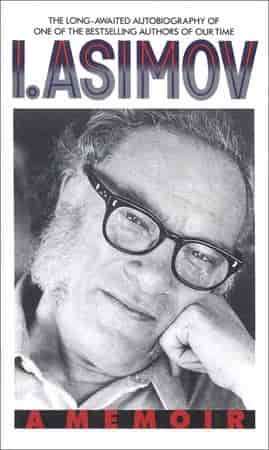
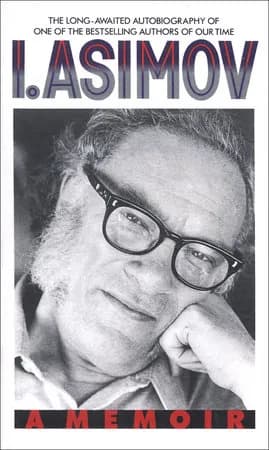
However trashy pulp fiction might be, it had to be read. Youngsters avid for the corny, lightning-jagged, cliché-ridden, clumsy stories had to read words and sentences to satisfy their craving. It trained everyone who read it in literacy, and a small percentage of them may that have passed on to better things.
Now consider what has happened since.…
In general, the trend over the last half century or so has been away from the word to the picture. The comic magazines increased the level of looking, decreased the level of reading. The television set is carried this to an extreme.
p. 46
I received the fundamentals of my education in school, but that was not enough. My real education, the superstructure, the details, the true architecture, I got out of the public library. For an impoverished child whose family could not afford to buy books, the library was the open door to wonder and achievement, and I can never be sufficiently grateful that I had the wit to charge through that door and make the most of it.
Now, when I read constantly about the way in which library funds are being cut and cut, I can only think that the door is closing and that American society has found one more way to destroy itself.
p. 29
We never stop reading, although every book comes to an end, just as we never stop living, although death is certain.