Quotes about poetry
134 quotes · 82 authors
Quotes
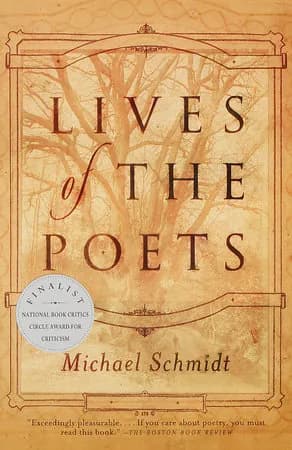
A living poem can energise another poem at five hundred years distance, or across the other side of the world.
What matters in poetry is form, how words work together, the sounds and silences their combinations make. The ordered effects they produce on the attentive hearer.
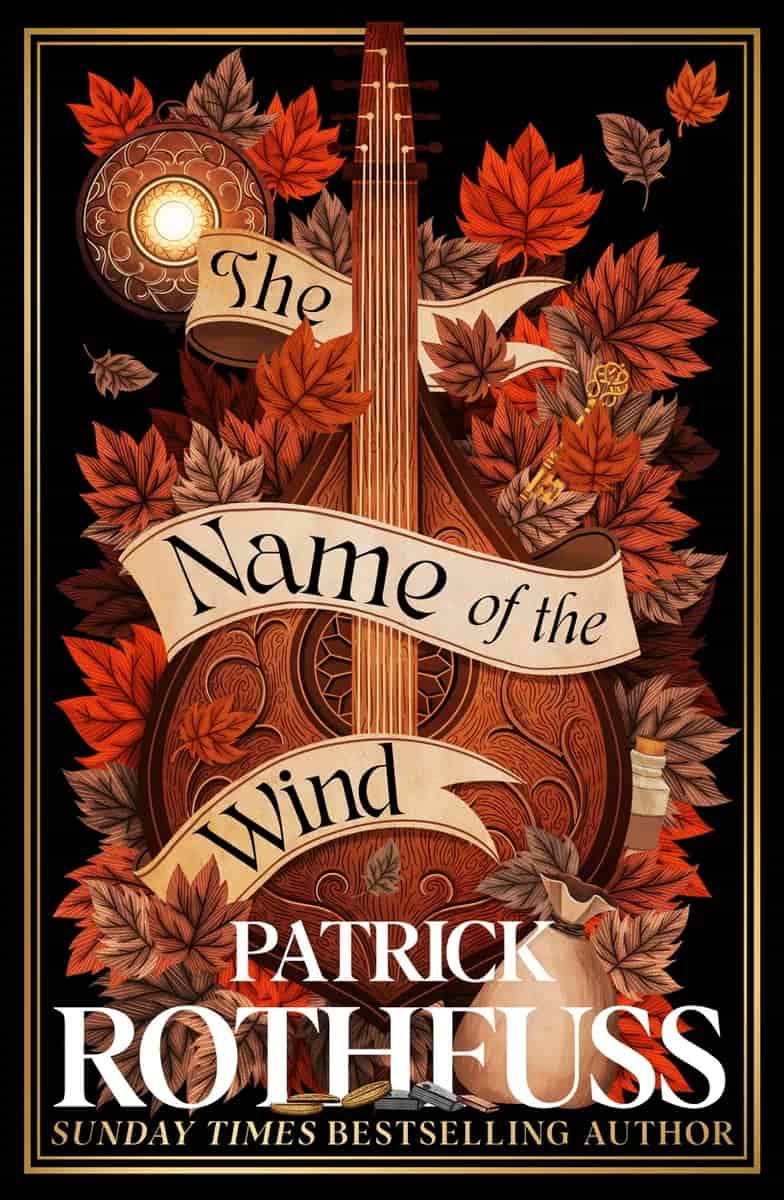
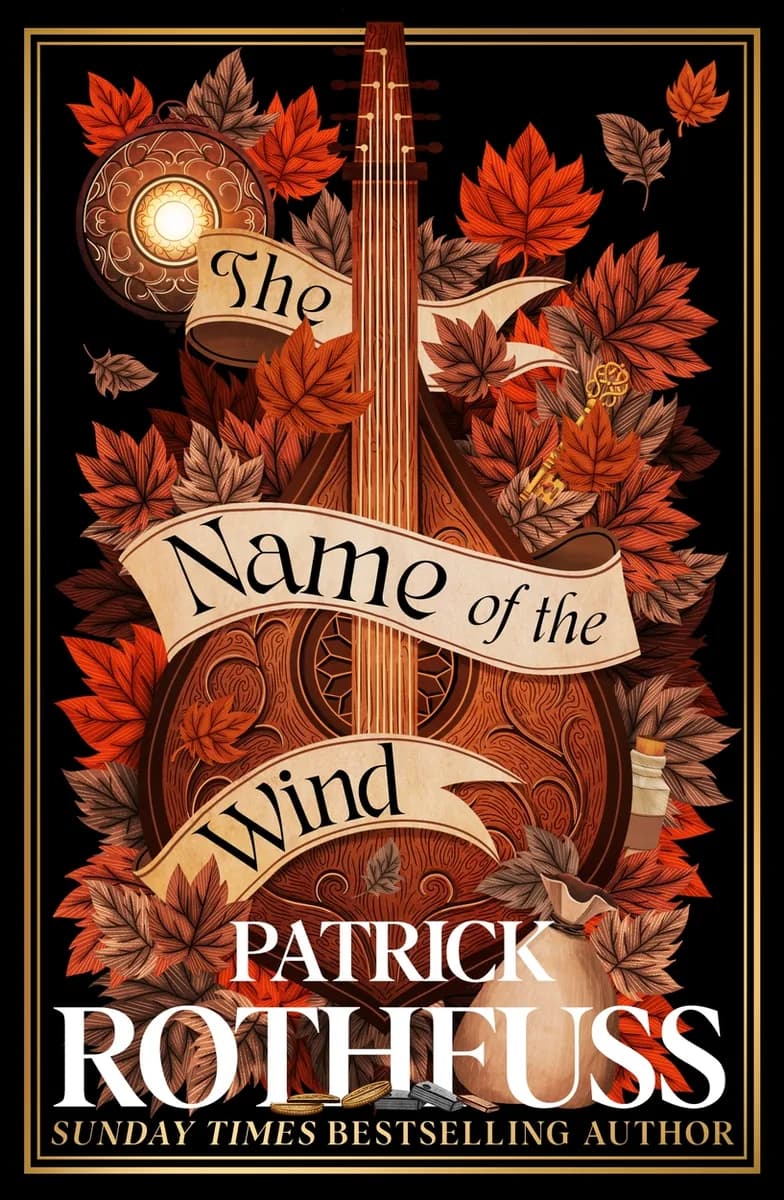
Remember this son, if you forget everything else. A poet is a musician who can’t sing. Words have to find a man’s mind before they can touch his heart. And, some men’s minds are woeful small targets. Music touches their hearts directly, no matter how small or stubborn the mind of the man who listens.
p. 113
I asked the headmaster of literature, "Why are there so many headmasters and so few poets? Is it easier for you to train your own kind than ours?" He said, "No. The emperor needs all the headmasters he can get. If a quarter of his people were headmasters he would be perfectly happy. But more than two poets would tear his kingdom apart."
p. 88
A good poem is a tautology. It expands one word by adding a number which clarify it, thus making a new word which has never before been spoken. The seed-word is always so ordinary that hardly anyone perceives it. Classical odes grow from and or because, romantic lyrics from but or if. Immature verses expand a personal pronoun ad nauseam, the greatest works bring glory to a common verb.
p. 208
[B]y writing an Aenead that combines an Odyssey with an Iliad, Virgil gives the impression of wanting to outdo the Homer of whom he is the self-conscious heir and to whom his Latin epic is also a homage, just as Augustan Rome is at once the cultural heir and political master of classical Greece. You want to be a great epic poet? Here are your models. Virgil follows them—programmatically but not slavishly—and because he happens to be a great epic poet, his Aenead turns out to be not a monumental Case-1 imitation of the great model, but a great epic poem. Thirteen centuries later, Dante compounds the stunt, taking as his literal and figurative guide not "unselfconscious" Homer but self-conscious (and Homer-conscious) Virgil, and not only scripts himself into the wandering hero role but orchestrates his own welcome … into the company of the immortals—in a Limbo, moreover, where they must ineluctably remain, but from which he will proceed through Purgatory to Paradise. Talk about chutzpah! Happening to be a great poet, Dante brings the thing off.
p. 54
Tennyson follows his feelings in creating each line. He follows the music in his head. If you had asked him, at the end of the day, to describe the prosody of the poem to you, he would no doubt have had to think for a moment before he could answer you, not because he was ignorant of the terms, but because he had been writing a poem, not a metrical exercise. At every point, he was exerting his free will. And the outcome of that exertion was the form.
p. 24
My sonnet asserts that the sonnet still lives. My epic, should such fortune befall me, asserts that the heroic narrative is not lost — that it is born again.
p. 125
As poets we do not ask permission before we begin to practise, for there is no authority to license us. We do not inquire whether it is still possible to pen a drama, for the answer to that question is ours alone to give. It is our drama, spoken or sung, that asserts our right to the title of poet. It is our decision that counts, and not the opinion of some theatre management, or the ponderings of the critic, or even the advice of our friendliest mentors.
p. 125
Walking by yourself in the rain is for college kids who think loneliness makes poets.
p. 185
War talk by men who have been in a war is always interesting; whereas moon talk by a poet who has not been in the moon is likely to be dull.
The poet is in command of his fantasy, while it is exactly the mark of the neurotic that he is possessed by his fantasy.