Quotes about morality
424 quotes · 191 authors
Quotes
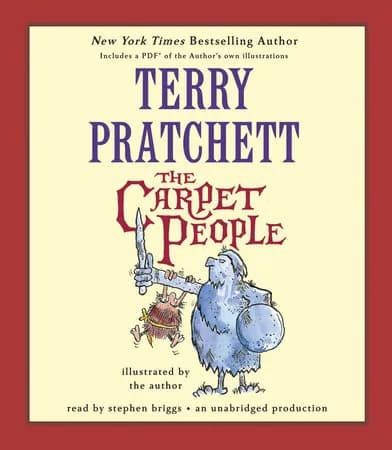
'But we should kill him!'
'No. You've been listen to Brocando too often,' said Bane.
Brocando bristled. 'You know what he is! Why not kill--' he began, but he was interrupted.
'Because it doesn't matter what he is. It matters what we are.'
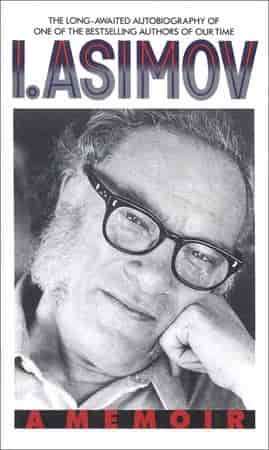
It is a mistake to think that because a group has suffered extreme persecution that is a sign that they are virtuous and innocent. They might be, of course, but the persecution process is no proof of that. The persecution merely shows that the persecuted group is weak. Had they been strong, then, for all we know, they might have been the persecutors.
p. 22
I've lived most of my life already and I suppose I can argue myself into believing that I have no great cause to love humanity. However, only a few people have hurt me, and if I hurt everyone in return that is unconscionable usury.
p. 250
Never let your sense of morals prevent you from doing what is right.
Junz found revulsion growing strong within him. A planet full of people meant nothing against the dictates of economic necessity!
p. 184
The same man who could not find it in his conscience to curb his curiosity into the nuclear studies that might someday kill half of Earth would risk his life to save that of an unimportant fellow man.
p. 6
“Logically, developing children are carefully screened for physical and mental defects before being allowed to mature.”
Baley interrupted. “You mean you kill them if they don’t—”
“If they don’t measure up. Quite painlessly, I assure you. The notion shocks you, just as the Earthman’s uncontrolled breeding shocks us.”
p. 91
We have no idea what waits for us out there. We did not choose this situation, and whatever manner of creature or accident has stranded us here did not take much notice of our welfare. I would say nice moral questions are beside the point, and that pragmatism is the order of the day.
p. 181
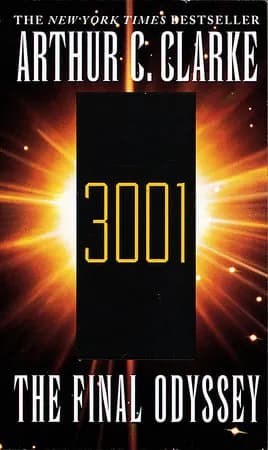
What we find incredible is the way that people - right up to the early 2000s! - calmly accepted behaviour we would consider atrocious. And believed in the most mindboggled... Nonsense, which surely any rational person would dismiss out of hand.'...
'Examples, please.' 'Well... every year in some countries thousands of little girls were hideously mutilated to preserve their virginity? Many of them died - but the authorities turned a blind eye.' 'I agree that was terrible - but what could my government do about it?' 'A great deal - if it wished. But that would have offended the people who supplied it with oil and bought its weapons, like the landmines that killed and maimed civilians by the thousand.' p.32
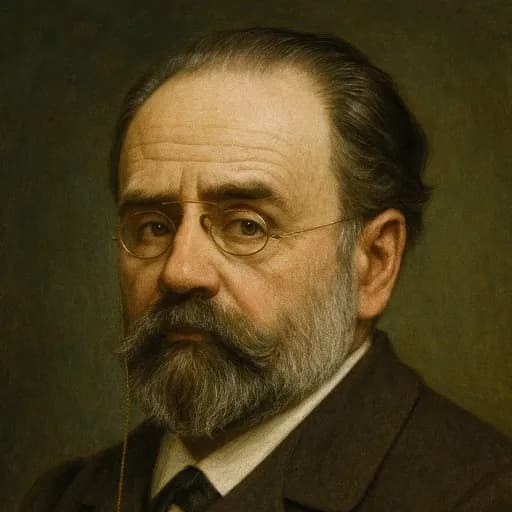
The courtesans, as Vandeuvres used to say, avenged public morality by emptying his money bags.
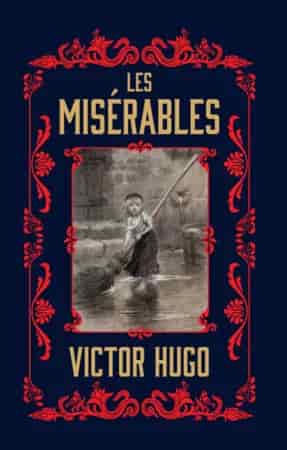
"Let us never fear robbers nor murderers. Those are dangers from without, petty dangers. Let us fear ourselves. Prejudices are the real robbers; vices are the real murderers. The great dangers lie within ourselves. What matters it what threatens our head or our purse! Let us think only of that which threatens our soul."
Moral certainty is always a sign of cultural inferiority. The more uncivilized the man, the surer he is that he knows precisely what is right and what is wrong. All human progress, even in morals, has been the work of men who have doubted the current moral values, not of men who have whooped them up and tried to enforce them. The truly civilized man is always skeptical and tolerant, in this field as in all others. His culture is based on "I am not too sure."