Quotes about morality
424 quotes · 191 authors
Quotes
Till mankind be satisfied with the naked statement of what they really perceive, till they confess virtue to be then most illustrious, when she more disdains the aid of ornament, they will never arrive at that manly justice of sentiment at which they seem destined one day to arrive. By his scheme of naked virtue will be every day a gainer; every succeeding observer willl more fully do her justice, while vice, deprived of that varnish with which she delighted to glow her actions of that gaudy exhibition which may be made alike by every pretender will speedily sink into unheeded contempt.
The illustrious archbishop of Cambray was of more worth than his chambermaid, and there are few of us that would hesitate to pronounce, if his palace were in flames, and the life of only one of them could be preserved, which of the two ought to be preferred … Supposing the chambermaid had been my wife, my mother or my benefactor. This would not alter the truth of the proposition. The life of Fenelon would still be more valuable than that of the chambermaid; and justice, pure, unadulterated justice, would still have preferred that which was most valuable. Justice would have taught me to save the life of Fenelon at the expence of the other. What magic is there in the pronoun "my", to overturn the decisions of everlasting truth?
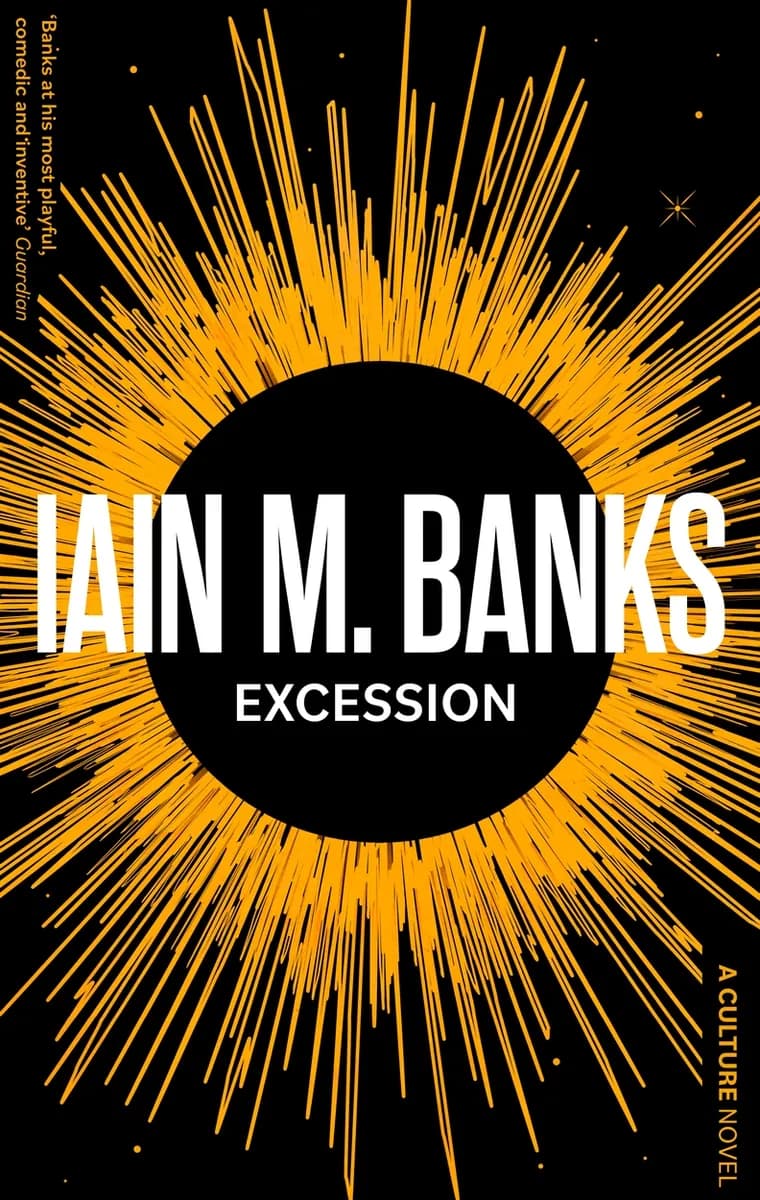
I’m not going to make the mistake of appealing to your patriotism: It’s a deflating currency these days, and an ambiguous one. But I would like to put a word in for ethics, fair play, and enlightened self-interest.
p. 274
“Everybody thinks they’re doing the right thing, kid. All the time. It’s about the only rule that explains how fucked-up this universe is.” A wan smile crept across her face. “Nobody is a villain in their own head, are they? We all know we’re doing the right thing, which is why we’re in this mess.”
p. 383
Rescue seemed a very remote possibility, and that was at the nub of the whole ethical-dilemma argument. You never come out on top, no matter what. The only way to win the game is not to play.
p. 303
"Never," said my aunt, "be mean in anything; never be false; never be cruel. Avoid those three vices, Trot, and I can always be hopeful of you."
We have a culture where principles mean nothing and personalities mean everything. And I can see why it caught on—I’ve done very well out of it. My personality allows me to get away with all sorts of rubbish: riding the wrong way up a one-way street on a stolen bicycle (I didn’t steal it though; I bought it off a dodgy bloke), winking at the police as I pass, years of trouble-free promiscuity, tables at restaurants. But without principles, I was freewheeling away from God.
Refusing to do a finite amount of good because you cannot do an infinite amount of good is a morally perverse position.
p. 323
Had they felt righteous, believing that the justice of their cause was being recognized by higher powers? For no doubt that was how they did think. It seemed to tyl Loesp everybody always thought they were right, and shared, too, the quaint belief that the very fervency of a belief, however deluded, somehow made it true.
They were all of them fools.
There was no right and wrong, there was simply effectiveness and inability, might and weakness, cunning and gullibility. That he knew this was his advantage, but it was one of better understanding, not moral superiority—he had no delusions there.
p. 190
Really we’re no better—you’re no better—than the savages. They always find excuses to justify their crimes, too. The point is not to commit them in the first place.
p. 292
I am, as I have always been, of the opinion that while the niceties of normal moral constraints should be our guides, they must not be our masters.
p. 269
Nations are never virtuous, though they might sometimes think they are.
p. 149