Quotes
So she said banteringly: "What's the unit of exchange in this different world of yours?"
He did not hesitate. "The tear."
"It isn't fair," she objected. "Some people have to work very hard for a tear. Others can have them just for thinking."
"What system of exchange is fair?" he cried, and his voice sounded as if he were really drunk. "And whoever invented the concept of fairness, anyway? Isn't everything easier if you simply get rid of the idea of justice altogether? You think the quantity of pleasure, the degree of suffering is constant among all men? It somehow comes out in the end? You think that? If it comes out even it's only because the final sum is zero."
p. 148
Is the accuser always holy now? Were they born this morning as clean as God's fingers? I'll tell you what's walking Salem — vengeance is walking Salem. We are what we always were in Salem, but now the little crazy children are jangling the keys of the kingdom, and common vengeance writes the law! This warrant's vengeance! I'll not give my wife to vengeance!
"If you think about it, an unfair society is a society that makes it possible for you to exploit your abilities to the limit."
Fairness is a concept that holds only in limited situations. Yet we want the concept to extend to everything, in and out of phase. From snails to hardware stores to married life. Maybe no one finds it, or even misses it, but fairness is like love. What is given has nothing to do with what we seek.
Injustice makes the rules, and courage breaks them.
p. 201
Are people naturally destructive, immoral, predatory and self-seeking, only to be kept in order by harsh laws and fiercely deterrent mandatory sentences? Or are men and women naturally orderly, merciful, humane and bred with a need for justice and mutual aid? Of course these qualities, or defects, are not evenly distributed, and undoubtedly there is much of each in all of us, but when it comes to the law some sort of distinction can be drawn. Are you a Shylock or a Bassanio?
Shylock pinned his faith on the words in the contract, the nature of his bond and the duty of the state to uphold the letter of the law regardless of human suffering. Bassanio put another point of view. More important than the sanctity of the law was the plight of the individual parties in the particular case.
It is the duty of righteous men to make war on all undeserved privilege, but one must not forget that this is a war without end.
Rats and roaches live by competition under the laws of supply and demand; it is the privilege of human beings to live under the laws of justice and mercy.
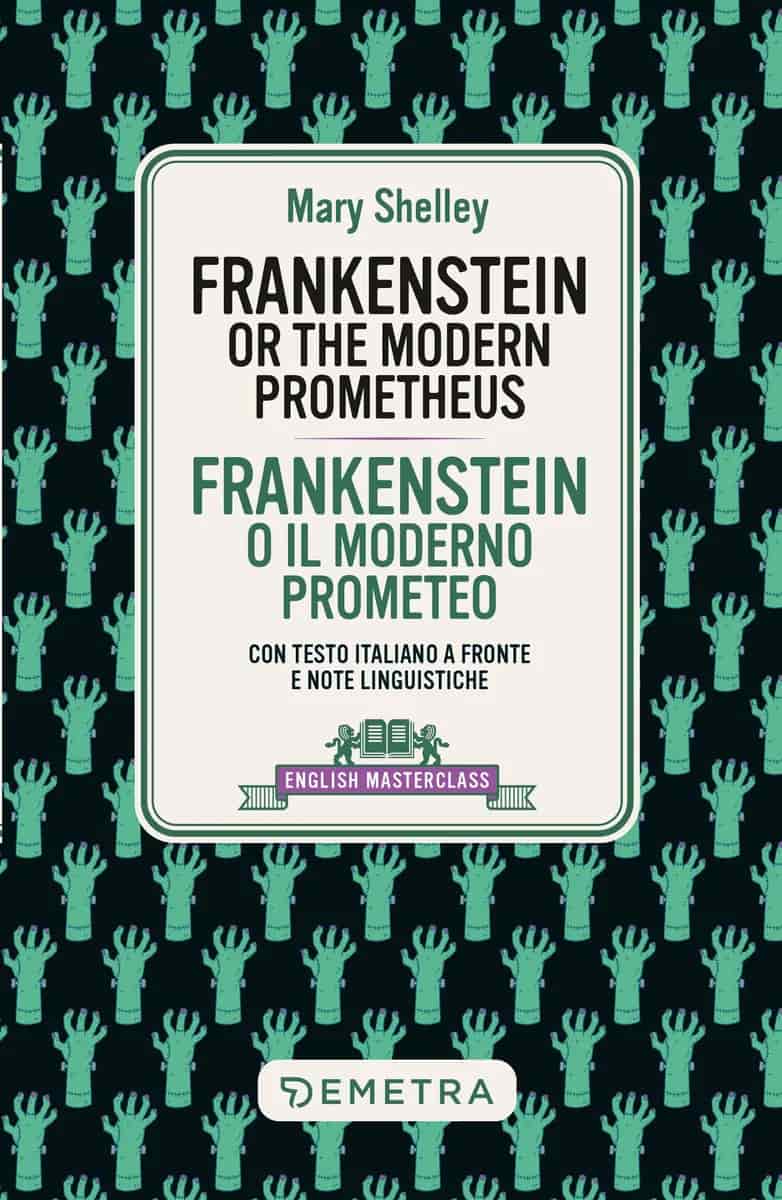
You, who call Frankenstein your friend, seem to have a knowledge of my crimes and his misfortunes. But in the detail which he gave you of them he could not sum up the hours and months of misery which I endured wasting in impotent passions. For while I destroyed his hopes, I did not satisfy my own desires. They were forever ardent and craving; still I desired love and fellowship, and I was still spurned. Was there no injustice in this? Am I to be thought the only criminal, when all humankind sinned against me?
Unfeeling, heartless creator! You had endowed me with perceptions and passions and then cast me abroad an object for the scorn and horror of mankind. But on you only had I any claim for pity and redress, and from you I determined to seek that justice which I vainly attempted to gain from any other being that wore the human form.
It is decided as you may have expected; all judges had rather that ten innocent should suffer than that one guilty should escape. But she has confessed.
Let your compassion be moved, and do not disdain me. Listen to my tale; when you have heard that, abandon or commiserate me, as you shall judge that I deserve. But hear me. The guilty are allowed, by human laws, bloody as they are, to speak in their own defense before they are condemned. Listen to me, Frankenstein. You accuse me of murder, and yet you would, with a satisfied conscience, destroy your own creature. Oh, praise the eternal justice of man! Yet I ask you not to spare me; listen to me, and then, if you can, and if you will, destroy the work of your hands.