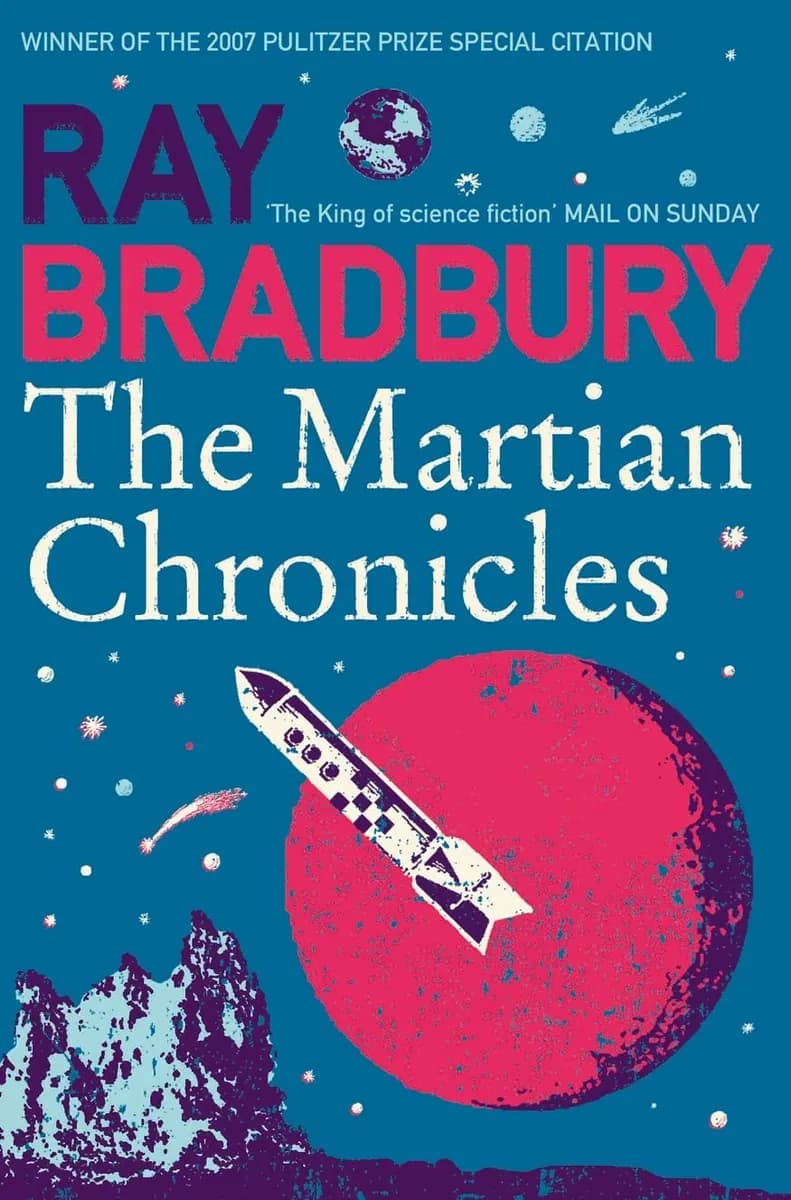
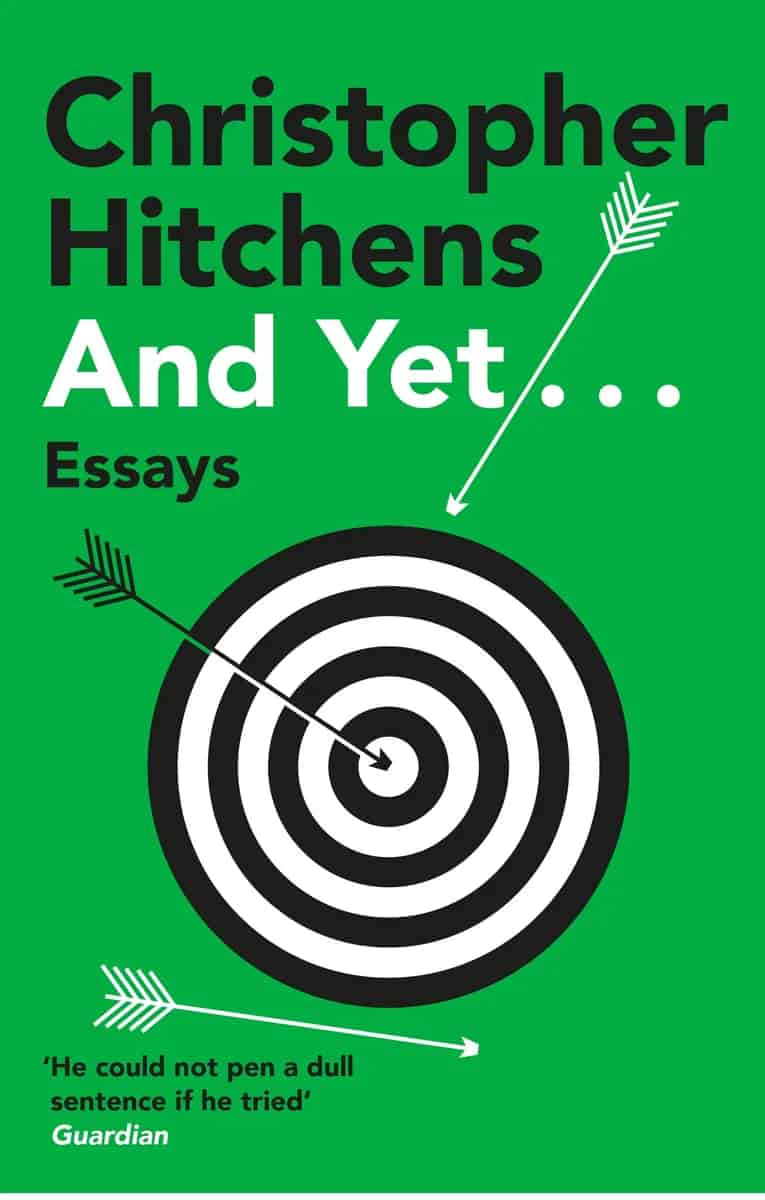
Quotes
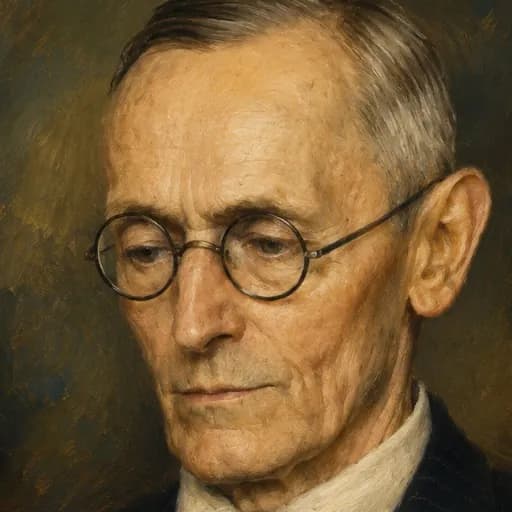
I have thought a good deal about trees; I like them. They speak eloquently of the balanced dubiety which I told you was the sceptical attitude. No splendid crown without the strong root that works in the dark, drawing its nourishment among the rocks, the soil, hidden waters, and all the little, burrowing things. A man is like that; his splendours and his fruits are to be seen, to win him love and admiration. But what about the root?
Have you ever seen a bulldozer clearing land? It advances upon a great tree and shoves and pushes inexorably until the tree is down and thrust out of the way, and all of that effort is accompanied by a screaming and wrenching sounds from the tree as the great roots are torn from the ground. It is a particularly distressing kind of death. And when the tree is upturned, the root proves to be as big as the crown.
What is the root of man? All sorts of things that nourish his visible part, but the deepest root of all, the tap-root, is that child he once was, of which I spoke to you when I was amusing you with the story of my life. That is the root which goes deepest because it is reaching downward towards the ancestors.
"I cannot remember a time when I did not take it as understood that everybody has at least two, if not twenty-two, sides to him."
Clarity is not a characteristic of the human spirit.
A human being should be able to change a diaper, plan an invasion, butcher a hog, conn a ship, design a building, write a sonnet, balance accounts, build a wall, set a bone, comfort the dying, take orders, give orders, cooperate, act alone, solve equations, analyze a new problem, pitch manure, program a computer, cook a tasty meal, fight efficiently, die gallantly. Specialization is for insects.
Man is what he is, a wild animal with the will to survive, and (so far) the ability, against all competition. Unless one accepts that, anything one says about morals, war, politics—you name it—is nonsense. Correct morals arise from knowing what man is—not what do-gooders and well-meaning old Aunt Nellies would like him to be. The universe will let us know—later—whether or not Man has any "right" to expand through it. In the meantime the M.I. will be in there, on the bounce and swinging, on the side of our own race.
Correct morality can only be derived from what man is — not from what do-gooders and well-meaning aunt Nellies would like him to be.
The element of truth behind all this, which people are so ready to disavow, is that men are not gentle creatures who want to be loved, and who at the most can defend themselves if they are attacked; they are, on the contrary, creatures among whose instinctual endowments is to be reckoned a powerful share of aggressiveness. As a result, their neighbor is for them not only a potential helper or sexual object, but also someone who tempts them to satisfy their aggressiveness on him, to exploit his capacity for work without compensation, to use him sexually without his consent, to seize his possessions, to humiliate him, to cause him pain, to torture and to kill him. Homo homini lupus. Who, in the face of all his experience of life and of history, will have the courage to dispute this assertion?
p. 68
Novelists when they write novels tend to take an almost godlike attitude toward their subject, pretending to a total comprehension of the story, a man's life, which they can therefore recount as God Himself might, nothing standing between them and the naked truth, the entire story meaningful in every detail. I am as little able to do this as the novelist is, even though my story is more important to me than any novelist's is to him — for this is my story; it is the story of a man, not of an invented, or possible, or idealized, or otherwise absent figure, but of a unique being of flesh and blood. Yet, what a real living human being is made of seems to be less understood today than at any time before, and men — each one of whom represents a unique and valuable experiment on the part of nature — are therefore shot wholesale nowadays. If we were not something more than unique human beings, if each one of us could really be done away with once and for all by a single bullet, story telling would lose all purpose. But every man is more than just himself; he also represents the unique, the very special and always significant and remarkable point at which the world's phenomena intersect, only once in this way and never again. That is why every man's story is important, eternal, sacred; that is why every man, as long as he lives and fulfills the will of nature, is wondrous, and worthy of every consideration. In each individual the spirit has become flesh, in each man the creation suffers, within each one a redeemer is nailed to the cross.
Few people nowadays know what man is. Many sense this ignorance and die the more easily because of it, the same way that I will die more easily once I have completed this story.
p. 9
We aren't pigs as you seem to think, but human beings. We create gods and struggle with them, and they bless us.
p. 188
Over periods of 10,000 years the distinctions between Western and Eastern and African cultures lose all meaning. Over a time span of 100,000 years we are all Africans. And over a time span of 300 million years we are all amphibians, waddling uncertainly out of dried-up ponds onto the alien and hostile land.
We Earth Men have a talent for ruining big beautiful things. The only reason we didn’t set up hot-dog stands in the midst of the Egyptian temple of Karnak is because it was out of the way and served no large commercial purpose.
And, permanently tempted though he was by cynicism and despair, Orwell also believed in the latent possession of these faculties by those we sometimes have the nerve to call “ordinary people.” Here, then, is some of the unpromising bedrock—hardscrabble soil in Scotland, gritty coal mines in Yorkshire, desert landscapes in Africa, soulless slums and bureaucratic offices—combined with the richer soil and loam of ever-renewing nature, and that tiny, irreducible core of the human personality that somehow manages to put up a resistance to deceit and coercion. Out of the endless attrition between them can come such hope as we may reasonably claim to possess.