Quotes
Only the most uncritical minds are free from doubt.
p. 165
He preached to himself, as Max Gottlieb had once preached to him, the loyalty of dissent, the faith of being very doubtful, the gospel of not bawling gospels, the wisdom of admitting the probable ignorance of one's self and of everybody else, and the energetic acceleration of a Movement for going very slow. ~ Ch 21
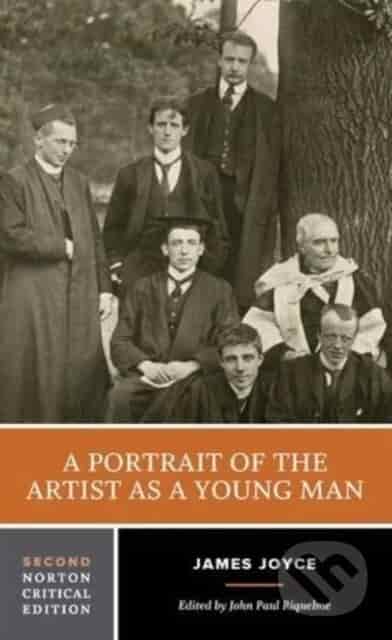
To merge his life in the common tide of other lives was harder for him than any fasting or prayer, and it was his constant failure to do this to his own satisfaction which caused in his soul at last a sensation of spiritual dryness together with a growth of doubts and scruples.
There were moments, usually on a sunny Easter morning, when she wished that she could with sincerity call herself a Christian; but for the rest of the year she knew herself to be what she was - incurably agnostic but prone to unpredictable relapses into faith.
p. 177
... the role of determination is to limit the agonies of doubt and the perils of hesitation when the motives for action are inadequate.
“I frankly doubt that.”
“Ah. That is your privilege. But doubt doesn’t alter fact, sir.”
p. 124
Probability is a liberal art; it is a child of skepticism, not a tool for people with calculators on their belts to satisfy their desire to produce fancy calculations and certainties.
p. 128
We, when we sow the seeds of doubt deeper than the most up-to-date and modish free-thought has ever dreamed of doing, we well know what we are about. Only out of radical skepsis, out of moral chaos, can the Absolute spring, the anointed Terror of which the time has need.
Is dogmatic or scholastic theology less doubted in point of fact for claiming, as it does, to be in point of right undoubtable? And if not, what command over truth would this kind of theology really lose if, instead of absolute certainty, she only claimed reasonable probability for her conclusions? If we claim only reasonable probability, it will be as much as men who love the truth can ever at any given moment hope to have within their grasp. Pretty surely it will be more than we could have had, if we were unconscious of our liability to err.
I believe in everything that seems true to me right now. I just refuse to be surprised when some of those things I believe in now turn out to be false later.
If I wanted to doubt then I could doubt endlessly. But at some point a person has to stop questioning and act, and at that point you have to trust something to be true. You have to act as if something is true, and so you choose the thing you have the most reason to believe in, you have to live in the world that you have the most hope in.
For where is the man that has incontestable evidence of the truth of all that he holds, or of the falsehood of all he condemns; or can say that he has examined to the bottom all his own, or other men's opinions? The necessity of believing without knowledge, nay often upon very slight grounds, in this fleeting state of action and blindness we are in, should make us more busy and careful to inform ourselves than constrain others. At least, those who have not thoroughly examined to the bottom all their own tenets, must confess they are unfit to prescribe to others; and are unreasonable in imposing that as truth on other men's belief, which they themselves have not searched into, nor weighed the arguments of probability, on which they should receive or reject it. Those who have fairly and truly examined, and are thereby got past doubt in all the doctrines they profess and govern themselves by, would have a juster pretence to require others to follow them: but these are so few in number, and find so little reason to be magisterial in their opinions, that nothing insolent and imperious is to be expected from them: and there is reason to think, that, if men were better instructed themselves, they would be less imposing on others.