Quotes about children
263 quotes · 149 authors
Quotes
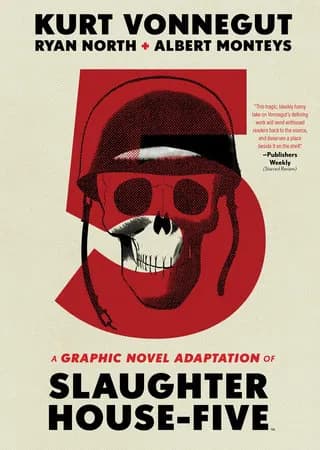
"You were just babies then!" she said.
"What?" I said.
"You were just babies in the war — like the ones upstairs!"
I nodded that this was true. We had been foolish virgins in the war, right at the end of childhood.
"But you're not going to write it that way, are you." This wasn't a question. It was an accusation.
"I — I don't know," I said.
"Well I know," she said. "You'll pretend you were men instead of babies, and you'll be portrayed in the movies by Frank Sinatra and John Wayne or some of those other glamorous, war-loving, dirty old men. And war will look just wonderful, so we'll have a lot more of them. And they'll be fought by babies like the babies upstairs."
So then I understood. It was war that made her so angry. She didn't want her babies or anybody else's babies killed in wars. And she thought wars were partly encouraged by books and movies.
So I held up my right hand and I made her a promise: "Mary," I said, "I don't think this book of mine is ever going to be finished. I must have written five thousand pages by now, and thrown them all away. If I ever do finish it, though, I give you my word of honor: there won't be a part for Frank Sinatra or John Wayne.
"I tell you what," I said, "I'll call it The Children's Crusade."
She was my friend after that.
p. 14
A man can know his father, or his son, and there might still be nothing between them but loyalty and love and mutual incomprehension.
He could knock me down the stairs and I would have worked out the theology for forgiving him before I reached the bottom. But if he harmed you in the slightest way, I'm afraid theology would fail me.
All parents damage their children. It cannot be helped. Youth, like pristine glass, absorbs the prints of its handlers. Some parents smudge, others crack, a few shatter childhoods completely into jagged little pieces, beyond repair.
Parents rarely let go of their children, so children let go of them. They move on. They move away. The moments that used to define them - a mother's approval, a father's nod - are covered by moments of their own accomplishments. It is not until much later, as the skin sags and the heart weakens, that children understand; their stories, and all their accomplishments, sit atop the stories of their mothers and fathers, stones upon stones, beneath the waters of their lives.
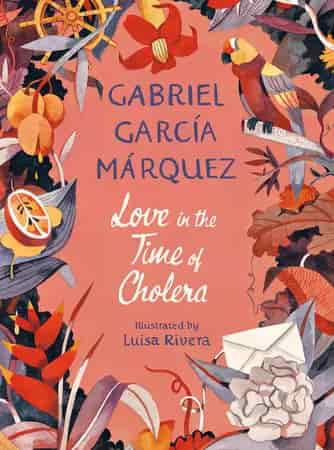
She discovered with great delight that one does not love one's children just because they are one's children but because of the friendship formed while raising them.
p. 276
Never underestimate the determination of a kid who is time rich and cash poor.
The doll? Who decided that the young should rehearse the physical care of infants, so that they know them as objects to be bounced, cuddled, or abandoned when boring before they know their own, real infants as living beings full of the responsiveness anterior to language that is the basis of all expressed reason?
p. 62
Her mother’s humpf mixed contempt with frustration. “You just don’t understand anything, do you? We try to bring up our children so that they are protected from the world’s evils, only to find we’ve raised a pack of innocents who seem to be about to stumble into them at every turn just from sheer stupidity!”
p. 115
Dull grown-ups and bright children form a particularly tolerant friendship.
p. 44
“Do you think he wants him to die?” whispered Mary.
“No, but he wishes he’d never been born. Mother she says that’s th’ worst thing on earth for a child. Them as is not wanted scarce ever thrives.”
“How many things she knows, doesn’t she?”
“Eh!” said Martha. “It’s like she says: ’A woman as brings up twelve children learns something besides her A B C. Children’s as good as ’rithmetic to set you findin’ out things.’”