Quotes about character
158 quotes · 90 authors
Quotes
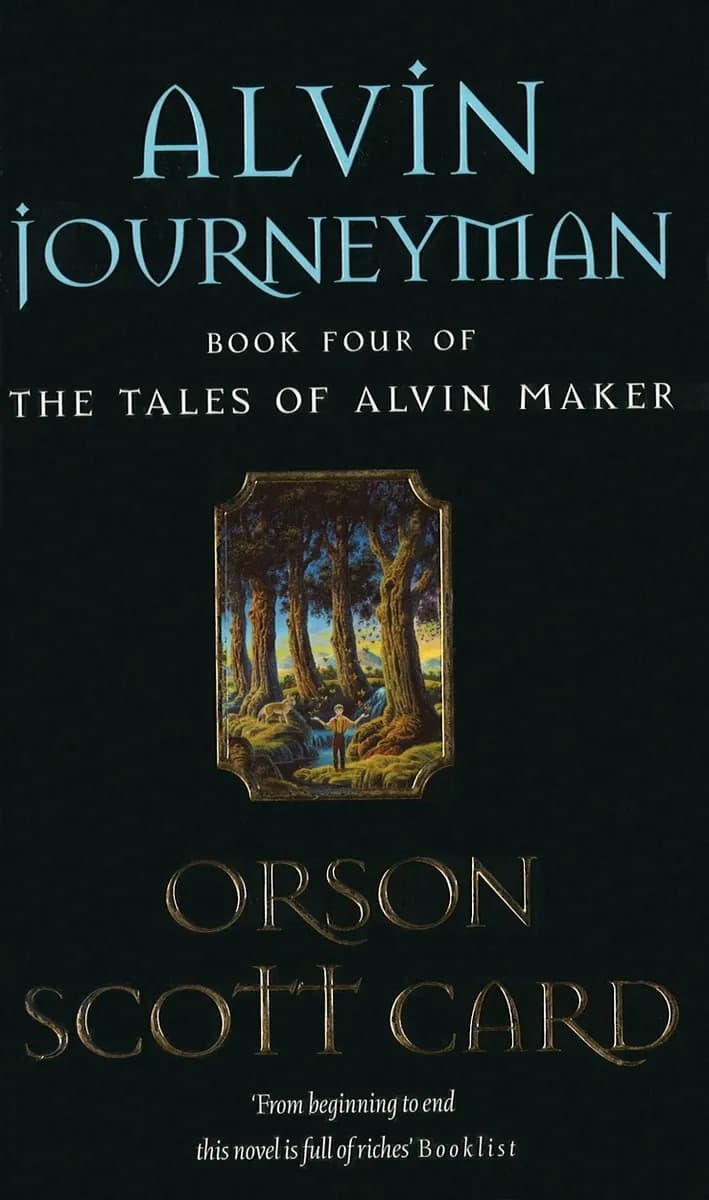
You think this because you are a nasty person by nature, Calvin, and you don't understand nice people. To you, the end of existence is to control things, and so you will never build anything, but rather will try to take control of what is already in existence. Your brother, though, is by nature a Maker, as you explain it; therefore he cares nothing about who rules, but only about what exists.
That's one of those questions, whether human beings are really capable of change, or if all seeming changes are really a matter of framing the existing character in a different moral situation.
She had a womanly instinct that clothes possess an influence more powerful over many than the worth of character or the magic of manners.
Our life evokes our character and you find out more about yourself as you go on.
The achievement of the hero is one that he is ready for and it's really a manifestation of his character. It's amusing the way in which the landscape and conditions of the environment match the readiness of the hero. The adventure that he is ready for is the one that he gets … The adventure evoked a quality of his character that he didn't know he possessed.
Only a man's character is the real criterion of worth. (22 August 1944)
What do you despise? By this you are truly known.
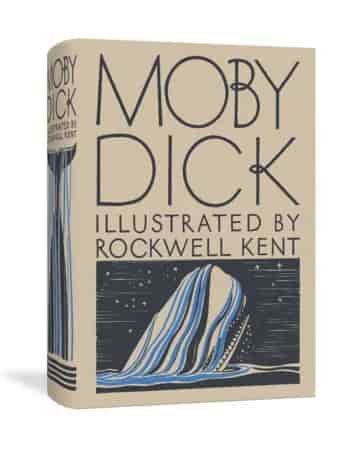
So that there are instances among them of men, who, ... still, from the audacious, daring, and boundless adventure of their subsequent lives, strangely blend with these unoutgrown peculiarities, a thousand bold dashes of character, not unworthy a Scandinavian sea-king, or a poetical Pagan Roman. And when these things unite in a man of greatly superior natural force, with a globular brain and a ponderous heart; who has also by the stillness and seclusion of many long night-watches in the remotest waters, and beneath constellations never seen here at the north, been led to think untraditionally and independently; receiving all nature's sweet or savage impressions fresh from her own virgin voluntary and confiding breast, and thereby chiefly, but with some help from accidental advantages, to learn a bold and nervous lofty language—that man makes one in a whole nation's census—a mighty pageant creature, formed for noble tragedies. Nor will it at all detract from him, dramatically regarded, if either by birth or other circumstances, he have what seems a half wilful over-ruling morbidness at the bottom of his nature. For all men tragically great are made so through a certain morbidness. Be sure of this, O young ambition, all mortal greatness is but disease.
p. 82
They had made the mistake of thinking of a personality as some sort of possession, like a suit of clothes, which a person wears. But apart from a personality what is there? Some bones and flesh. A collection of legal statistics, perhaps, but surely no person. The bones and flesh and legal statistics are the garments worn by the personality, not the other way around.
Laws, wisely administered, will secure men in the enjoyment of the fruits of their labour, whether of mind or body, at a comparatively small personal sacrifice; but no laws, however stringent, can make the idle industrious, the thriftless provident, or the drunken sober. Such reforms can only be effected by means of individual action, economy, and self-denial; by better habits, rather than by greater rights.
The Government of a nation itself is usually found to be but the reflex of the individuals composing it. The Government that is ahead of the people will inevitably be dragged down to their level, as the Government that is behind them will in the long run be dragged up. In the order of nature, the collective character of a nation will as surely find its befitting results in its law and government, as water finds its own level. The noble people will be nobly ruled, and the ignorant and corrupt ignobly. Indeed all experience serves to prove that the worth and strength of a State depend far less upon the form of its institutions than upon the character of its men. For the nation is only an aggregate of individual conditions, and civilization itself is but a question of the personal improvement of the men, women, and children of whom society is composed.
The crown and glory of life is Character. It is the noblest possession of a man, constituting a rank in itself, and an estate in the general goodwill; dignifying every station, and exalting every position in society. It exercises a greater power than wealth, and secures all the honour without the jealousies of fame. It carries with it an influence which always tells; for it is the result of proved honour, rectitude, and consistency — qualities which, perhaps more than any other, command the general confidence and respect of mankind.
'You're still the same girl. What people do doesn't change their nature.'
She shook her head.[…] 'What they do is their nature,' she said.