Quotes about change
408 quotes · 242 authors
Quotes
The basic teaching of Buddhism is the teaching of transiency or change. That everything changes is the basic truth for each existence. No one can deny this truth and all teaching of Buddhism is condensed within it. This is the teaching for all of us. Wherever we go this teaching is true. This teaching is also understood as the teaching of selflessness. Because each existence is in constant change, there is no abiding self.
We must have beginner's mind, free from possessing anything, a mind that knows everything is in flowing change. Nothing exists but momentarily in its present form and color. One thing flows into another and cannot be grasped.
Suffering has been stronger than all other teaching, and has taught me to understand what your heart used to be. I have been bent and broken, but — I hope — into a better shape.
That was a memorable day to me, for it made great changes in me. But, it is the same with any life. Imagine one selected day struck out of it, and think how different it's course would have been. Pause you who read this, and think for the moment of the long chain of iron or gold, of thorns or flowers, that would never have bound you, but for the formation of the first link on one memorable day.
"You look blank, Joe," said Malaclypse. "Has no one explained to you that the human race is divided into two distinct genotypes - neophobes, who reject new ideas and accept only what they have known all their lives, and neophiles, who love new things, change, invention, innovation? For the first four million years of man's history, all humans were neophobes, which is why civilization did not develop. Animals are all neophobes. Only mutation can change them. Instinct is simply the natural behavior of a neophobe. The neophile mutation appeared about a hundred thousand years ago, and speeded up thirty thousand years ago. However, there has never been more than a handful of neophiles anywhere on the planet. The Illuminati themselves sprang from one of the oldest neophile-neophobe conflicts on record."
The new men of Empire are the ones who believe in fresh starts, new chapters, clean pages; I struggle on with the old story, hoping that before it is finished it will reveal to me why it was that I thought it worth the trouble.
p. 24
When agony is not present, no matter how imminent it looms, painful change must come from outside. This is a truth.
p. 157
Oh, I know what you Enforcers think about the council, Ertigon. We’d have to be complete fools not to know. You take us for pompous idiots, mostly, layabouts who spend our days eating and drinking and engaging in our effete little rituals, none of which mean anything, accomplish anything. You’re perfectly right, that’s what we are. But then, that’s what we were assigned to do. That’s what we’re here for. It’s what all public servants have always been: roadblocks, resistors, interceptors of change, valves designed to shut down the flow of events, inhibitors of revolution, delayers of evolution, servants of the status quo.
p. 249
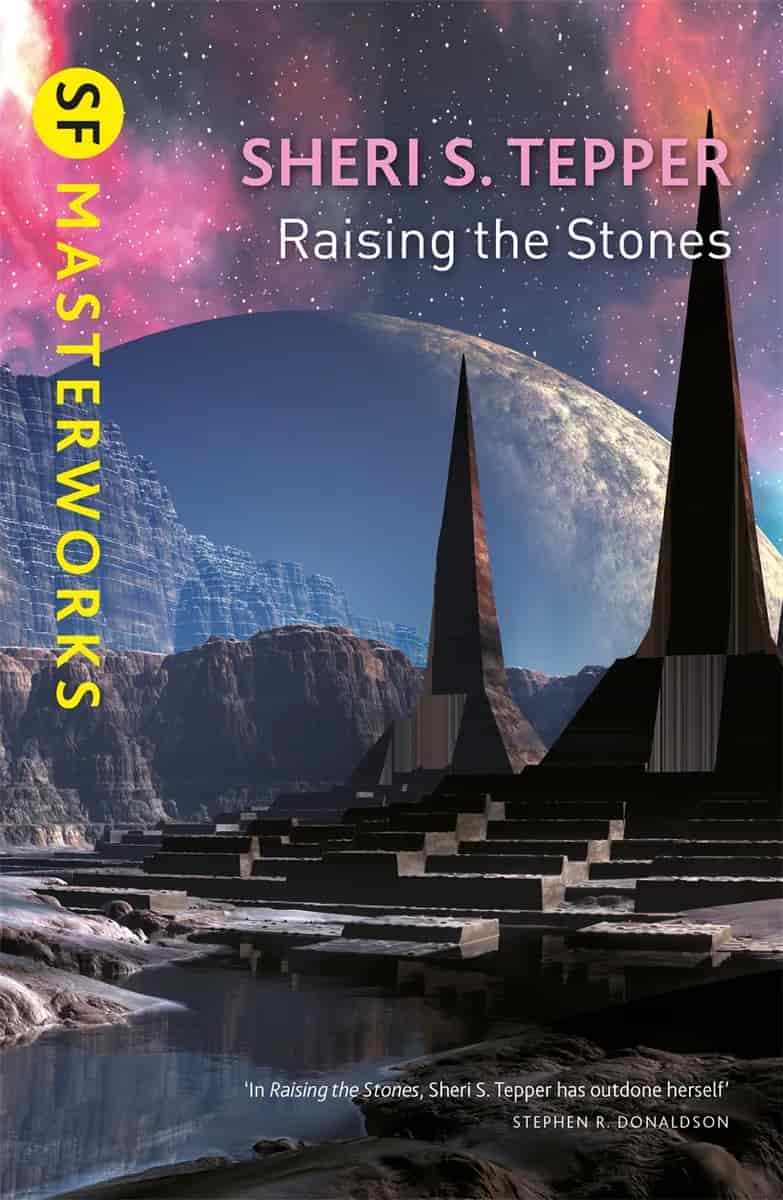
Here priests and prophets are doing what priests and prophets have always done, forbidding their people to become anything except what they already are! No interference. God, what foolishness!
p. 325
“I think he is a wicked man.”
Sam said doggedly, “Are you so sure he is wicked, Lilla? Perhaps, away from here, he might change.”
“We Gharm have a saying. Perhaps, away from the pond, the frog would grow feathers.”
p. 408
“I don’t have much confidence,” she said. “A lot of what I’ve been taught isn’t making sense.”
“That’s the nature of teaching. Something happens, and intelligence first apprehends it, then makes up a rule about it, then tries to pass the rule along. Very small beings invariably operate in that way. However, by the time the information is passed on, new things are happening that the old rule doesn’t fit. Eventually intelligence learns to stop making rules and understand the flow.”
p. 354
To want to be ahead, and to celebrate and mythify this endeavor, is indeed one of the most powerful impulses of modernity itself.