Leafy Quotes
Recently added
The newest book quotes in the Leafy Quotes collection — passages readers have just added, each with its author, book and the page it came from.
So used to being unwhole and unwell, one forgot what it was to walk upright and see clearly, breathe easily, think better than was taught, be better than one was programmed to believe—so concentration was necessary to help a neighbor experience the best of herself or himself. For people sometimes believed that it was safer to live with complaints, was necessary to cooperate with grief, was all right to become an accomplice in self-ambush.
“Keep the focus on the action not the institution; don’t confuse the vehicle with the objective; all cocoons are temporary and disappear”
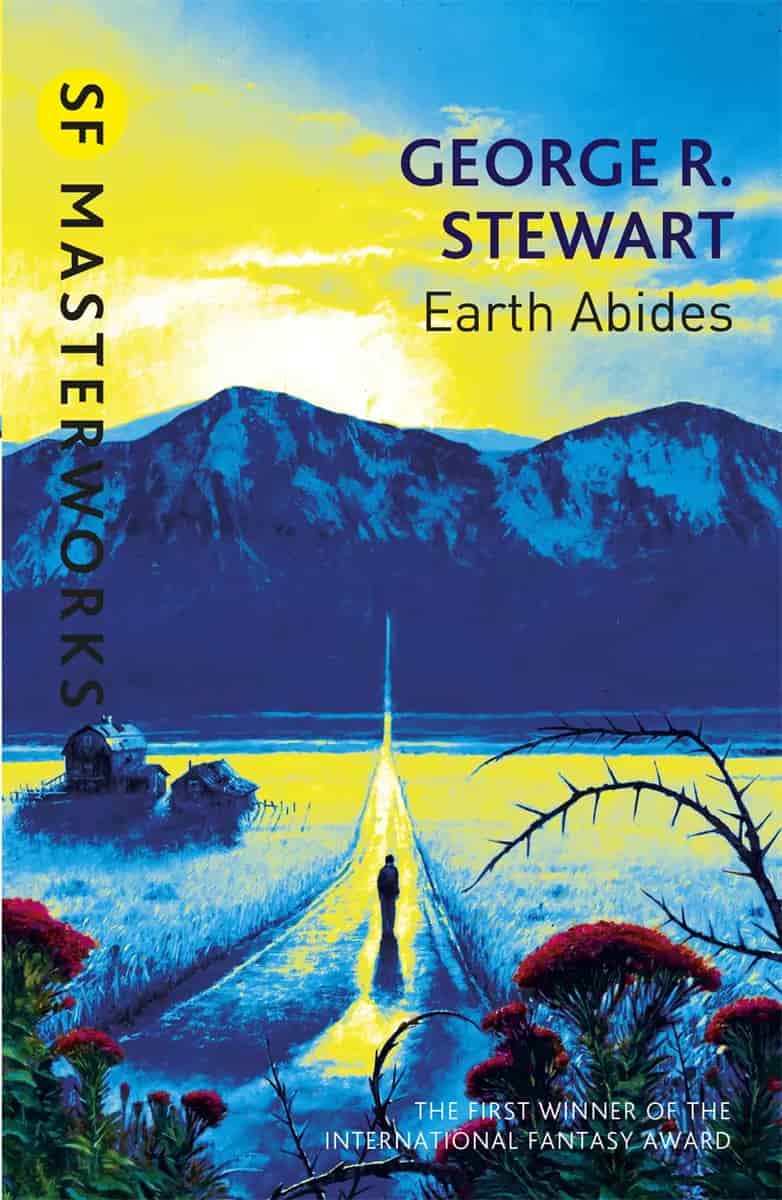
What would be the use of all these books now? Why worry about one of them? Why worry about all the millions of them? There was no one left, now, to carry on. Books themselves, mere wood pulp and lampblack, were nothing—without a mind to use them.
p. 292
What a strange thing then is this great civilization, that no sooner have men attained it than they seek to flee from it!
p. 293
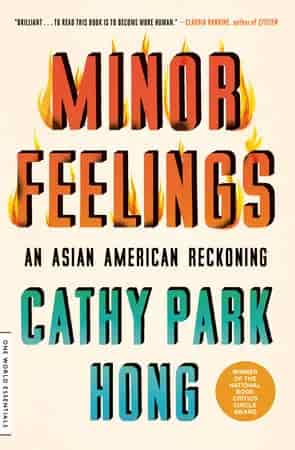
Because I didn't learn the language until I started school, I associated English with everything hard: the chalkboard with diagrammed sentences, the syllables in my mouth like hard slippery marbles. English was not an expression of me but a language that was out to get me, threaded with invisible trip wires that could expose me at the slightest misstep.
Perhaps rationalism—like so much else—had only been one of the luxuries which men could afford under civilization.
p. 284
One characteristic of racism is that children are treated like adults and adults are treated like children. Watching a parent being debased like a child is the deepest shame. I cannot count the number of times I have seen my parents condescended to or mocked by white adults. This was so customary that when my mother had any encounter with a white adult, I was always hypervigilant, ready to mediate or pull her away. To grow up Asian in America is to witness the humiliation of authority figures like your parents and to learn not to depend on them: they cannot protect you.
Nothing gets dated faster than a joke.
The flip side of innocence is shame.
In the times of civilization men had really felt themselves as the masters of creation. Everything has been good or bad in relation to man. So you killed rattlesnakes. But now nature had become so overwhelming that any attempt at its control was merely outside anyone’s circle of thought. You lived as part of it, not as its dominating power.
p. 289
Man invented civilization, and was inordinately proud of it. But in no way did civilization change life more than by sharpening the line between work and play, and at last that division came to be more important than the old one between sleeping and waking. Sleep came to be thought a kind of relaxation, and “sleeping on the job” a heinous sin. The turning out of the light and the ringing of the alarm clock were not so much the symbols of man’s dual life as were the punching of the time clock and the blowing of the whistle. Men marched on picket lines and threw bricks and exploded dynamite to shift an hour from one classification to the other, and other men fought equally hard to prevent them. And always work became more laborious and odious, and play grew more artificial and febrile.
p. 193
It was all tied up in that same old question. How much did man strike outward to affect all his surroundings and how much did the surroundings press in upon him? Did the Napoleonic Age produce Napoleon or did he produce it?
p. 294