Quotes
“How was the funeral?” he asked. “It’s over,” said Shadow. “You want to talk about it?” “No,” said Shadow. “Good.” Wednesday grinned. “Too much talking these days. Talk talk talk. This country would get along much better if people learned how to suffer in silence.”
"I am the most miserable person who ever lived", he said to the Lord Primus, when they stopped to feed the horses feedbags of damp oats.
"You are young, and in love", said Primus. "Every young man in your position is the most miserable young man who ever lived".
With sick and famish'd eyes,
With doubling knees and weary bones,
To thee my cries,
To thee my groans,
To thee my sighs, my tears ascend:
No end?My throat, my soul is hoarse;
My heart is wither'd like a ground
Which thou dost curse.
My thoughts turn round,
And make me giddy; Lord, I fall,
Yet call.
My tender age in sorrow did begin:
And still with sicknesses and shame
Thou didst so punish sin,
That I became
Most thin.
With thee
Let me combine,
And feel this day thy victory:
For, If I imp my wing on thine,
Affliction shall advance the flight in me
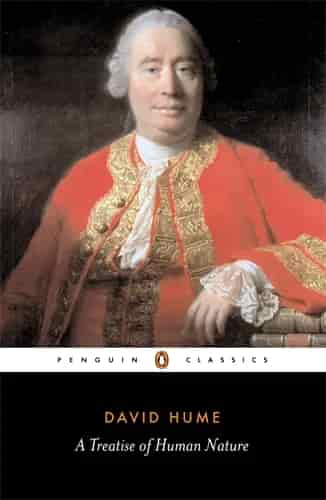
And why should man, added he, pretend to an exemption from the lot of all other animals? The whole earth, believe me, PHILO, is cursed and polluted. A perpetual war is kindled amongst all living creatures. Necessity, hunger, want, stimulate the strong and courageous: Fear, anxiety, terror, agitate the weak and infirm. The first entrance into life gives anguish to the new-born infant and to its wretched parent: Weakness, impotence, distress, attend each stage of that life: and it is at last finished in agony and horror.
Were a stranger to drop on a sudden into this world, I would show him, as a specimen of its ills, a hospital full of diseases, a prison crowded with malefactors and debtors, a field of battle strewed with carcasses, a fleet foundering in the ocean, a nation languishing under tyranny, famine, or pestilence. To turn the gay side of life to him, and give him a notion of its pleasures; whither should I conduct him? to a ball, to an opera, to court? He might justly think, that I was only showing him a diversity of distress and sorrow.
And is it possible, CLEANTHES, said PHILO, that after all these reflections, and infinitely more, which might be suggested, you can still persevere in your Anthropomorphism, and assert the moral attributes of the Deity, his justice, benevolence, mercy, and rectitude, to be of the same nature with these virtues in human creatures? His power we allow is infinite: whatever he wills is executed: but neither man nor any other animal is happy: therefore he does not will their happiness. His wisdom is infinite: He is never mistaken in choosing the means to any end: But the course of Nature tends not to human or animal felicity: therefore it is not established for that purpose. Through the whole compass of human knowledge, there are no inferences more certain and infallible than these. In what respect, then, do his benevolence and mercy resemble the benevolence and mercy of men? EPICURUS's old questions are yet unanswered. Is he willing to prevent evil, but not able? then is he impotent. Is he able, but not willing? then is he malevolent. Is he both able and willing? whence then is evil?
An evil may be real, tho' its cause has no relation to us: It may be real, without being peculiar: It may be real, without shewing itself to others: It may be real, without being constant: And it may be real, without falling under the general rules. Such evils as these will not fail to render us miserable, tho' they have little tendency to diminish pride: And perhaps the most real and the most solid evils of life will be found of this nature.
Taking numbers into account, I should think more mental suffering had been undergone in the streets leading from St George's, Hanover Square, than in the condemned cells of Newgate.
Adversity, if a man is set down to it by degrees, is more supportable with equanimity by most people than any great prosperity arrived at in a single lifetime.
We find it difficult to sympathise with the emotions of a potato; so we do with those of an oyster. Neither of these things makes a noise on being boiled or opened, and noise appeals to us more strongly than anything else, because we make so much about our own sufferings. Since, then, they do not annoy us by any expression of pain we call them emotionless; and so qua mankind they are; but mankind is not everybody.
That element of tragedy which lies in the very fact of frequency, has not yet wrought itself into the coarse emotion of mankind; and perhaps our frames could hardly bear much of it. If we had a keen vision and feeling of all ordinary human life, it would be like hearing the grass grow and the squirrel's heart beat, and we should die of that roar which lies on the other side of silence. As it is, the quickest of us walk about well wadded with stupidity.