Quotes
And yet this very singleness of vision and thorough oneness with his age is a mark of the successful man. It is as though Nature needs must make men narrow in order to give them force.
When you lose, Sis, the last war’s never over and done with.
p. 117
An army that was winning had little backbiting. When things went wrong, everyone was at pains to prove the misfortune could not possibly have been his fault.
p. 363
When men are once checked in what they consider their special excellence, their whole opinion of themselves suffers more than if they had not at first believed in their superiority, the unexpected shock to their pride causing them to give way more than their real strength warrants; and that is probably now the case with the Athenians.
You can now, if you choose, employ your present success to advantage, so as to keep what you have got and gain honour and reputation besides, and you can avoid the mistake of those who meet with an extraordinary piece of good fortune, and are led on by hope to grasp continually at something further, through having already succeeded without expecting it.
And it is certain that those who do not yield to their equals, who keep terms with their superiors, and are moderate towards their inferiors, on the whole succeed best.
The fate of those of their neighbours who had already rebelled and had been subdued was no lesson to them; their own prosperity could not dissuade them from affronting danger; but blindly confident in the future, and full of hopes beyond their power though not beyond their ambition, they declared war and made their decision to prefer might to right, their attack being determined not by provocation but by the moment which seemed propitious. The truth is that great good fortune coming suddenly and unexpectedly tends to make a people insolent; in most cases it is safer for mankind to have success in reason than out of reason; and it is easier for them, one may say, to stave off adversity than to preserve prosperity.
Let us celebrate the soil. Most men toil that they may own a piece of it; they measure their success in life by their ability to buy it.
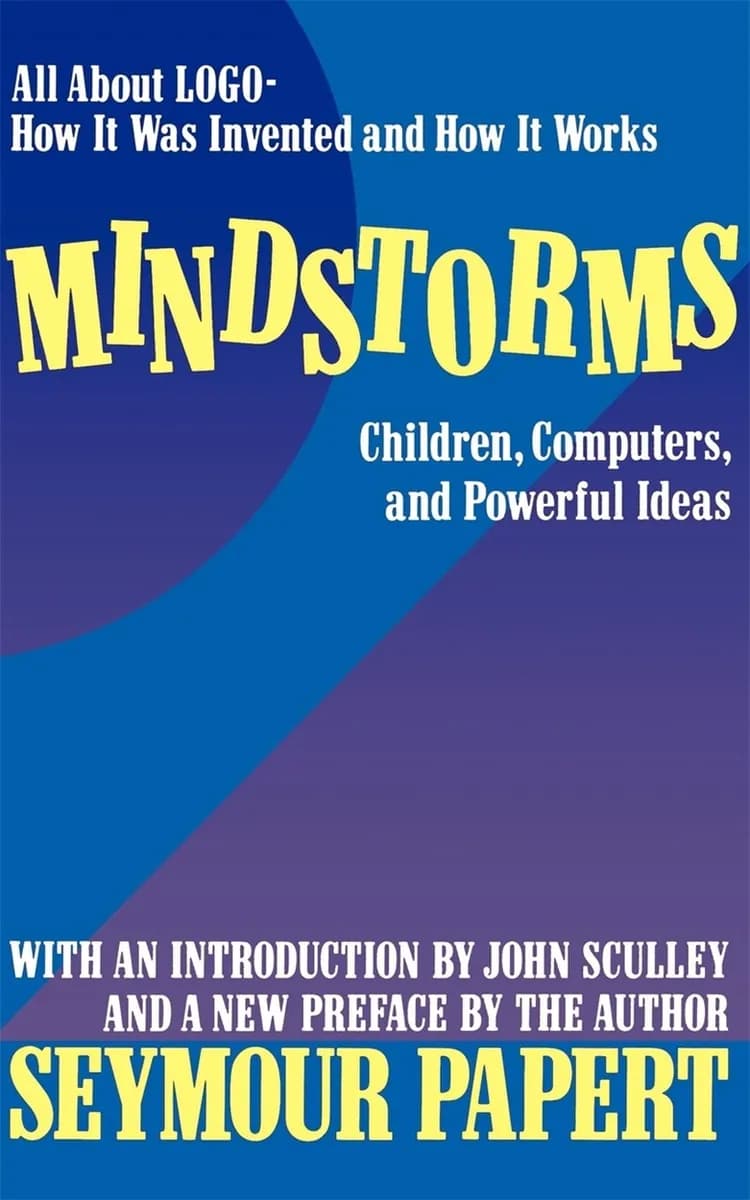
An unknown but certainly significant proportion of the population has almost completely given up on learning. These people seldom, if ever engage in deliberate learning and see themselves as neither competent at it nor likely to enjoy it. The social and personal cost is enormous... Deficiency becomes identity: "I can't learn French, I don't have an ear for languages;" "I could never be a businessman, I don't have a head for figures;"... These beliefs are often repeated ritualistically, like superstitions... Although these negative self-images can be overcome, in the life of and individual they are extremely robust and powerfully self-reinforcing. If people believe firmly enough that they cannot do math, they will usually succeed in preventing themselves from doing whatever they recognize as math. The consequences of such self-sabotage is personal failure, and each failure reinforces the original belief. And such beliefs may be most insidious when held not only by individuals, but by our entire culture.
The greatest achievement was at first and for a time a dream. The oak sleeps in the acorn; the bird waits in the egg; and in the highest vision of the soul a waking angel stirs. Dreams are the seedlings of realities.
In all human affairs there are efforts, and there are results, and the strength of the effort is the measure of the result. Chance is not. Gifts, powers, material, intellectual, and spiritual possessions are the fruits of effort; they are thoughts completed, objects accomplished, visions realized.
The Vision that you glorify in your mind, the Ideal that you enthrone in your heart — this you will build your life by, this you will become.
The seventh rule of the ethics of means and ends is that generally success or failure is a mighty determinant of ethics. The judgment of history leans heavily on the outcome of success or failure; it spells the difference between the traitor and the patriotic hero. There can be no such thing as a successful traitor, for if one succeeds he becomes a founding father.
p. 34