Quotes
Memory is a complicated thing, a relative to truth but not its twin.
Before adolescence, memory is more interested in the future than the past...
Soon we shall die and all memory of those five will have left earth, and we ourselves shall be loved for a while and forgotten. But the love will have been enough; all those impulses of love return to the love that made them. Even memory is not necessary for love. There is a land of the living and a land of the dead and the bridge is love, the only survival, the only meaning.
Life is not what one lived, but what one remembers and how one remembers it in order to recount it.
It is a wary business, walking about a strange house you are to know well. Only cats and dogs with their more expressive bodies enact the tension we share with them at such times. The you inside you gathers up defensively: something is stealing upon you every moment; you will never be quite the same again. These new unsmiling lights, reflections and objects are to become your memories, riveted to you closer than friends or lovers, going with you, even, into the grave: worse, they may become dear and fasten like so many leeches on your heart.
Is the brain a map that leads down twisted paths and into hidden corners? Then when we die, the map is lost but perhaps some explorer could wander through that strange landscape and find out the hiding places of our misplaced memories.
Is this fight against history part of the fight against a dimension of the mind in which centrifugal faculties and forces might develop—faculties and forces that might hinder the total coordination of the individual with the society? Remembrance of the Fast may give rise to dangerous insights, and the established society seems to be apprehensive of the subversive contents of memory. Remembrance is a mode of dissociation from the given facts, a mode of “mediation” which breaks, for short moments, the omnipresent power of the given facts. Memory recalls the terror and the hope that passed. Both come to life again
p. 98
There are places we all come from — deep-rooty-common places — that make us who they are. And we disdain them or treat them lightly at our peril. We turn our backs on them at the risk of self-contempt. There is a sense in which we need to go home again — and can go home again. Not to recover home, no. But to sanctify memory.
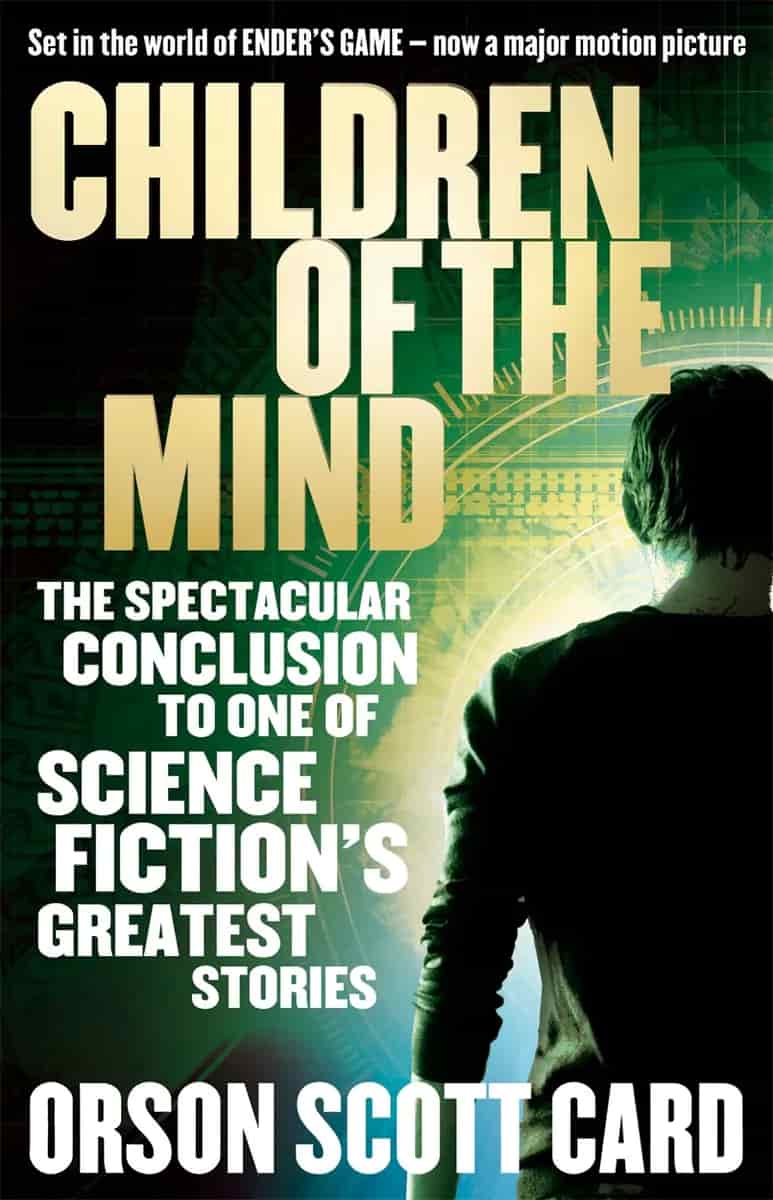
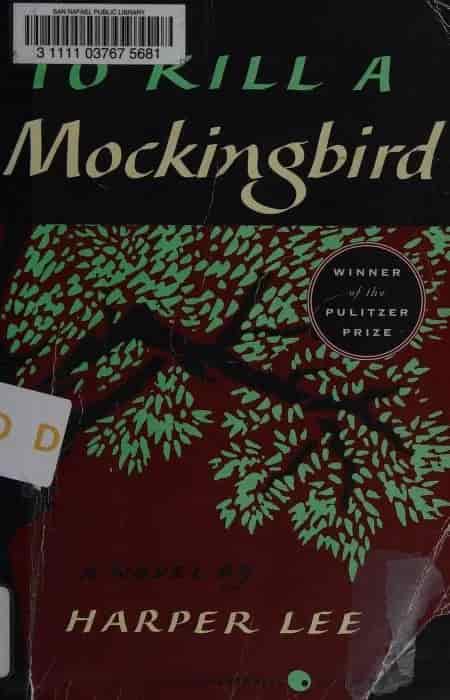
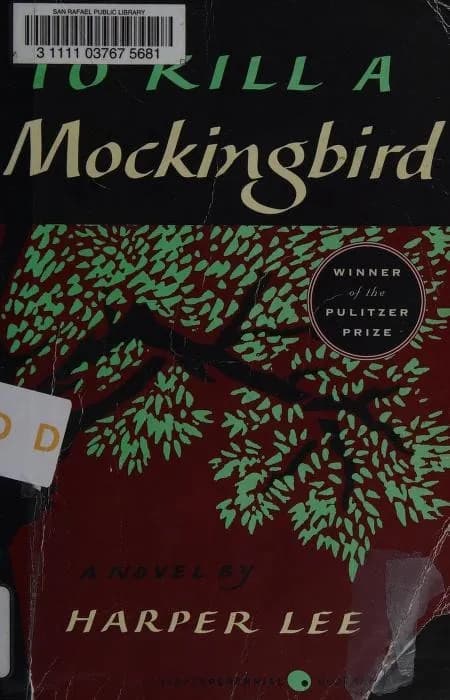
Atticus said that Jem was trying hard to forget something, but what he was really doing was storing it away for a while, until enough time passed. Then he would be able to think about it and sort things out. When he was able to think about it, Jem would be himself again.
I saw clearly only when I saw with love. Or can one ever remember love? It's like trying to summon up the smell of roses in a cellar. You might see a rose, but never the perfume. And that's the truth of roses, isn't it? — The perfume?
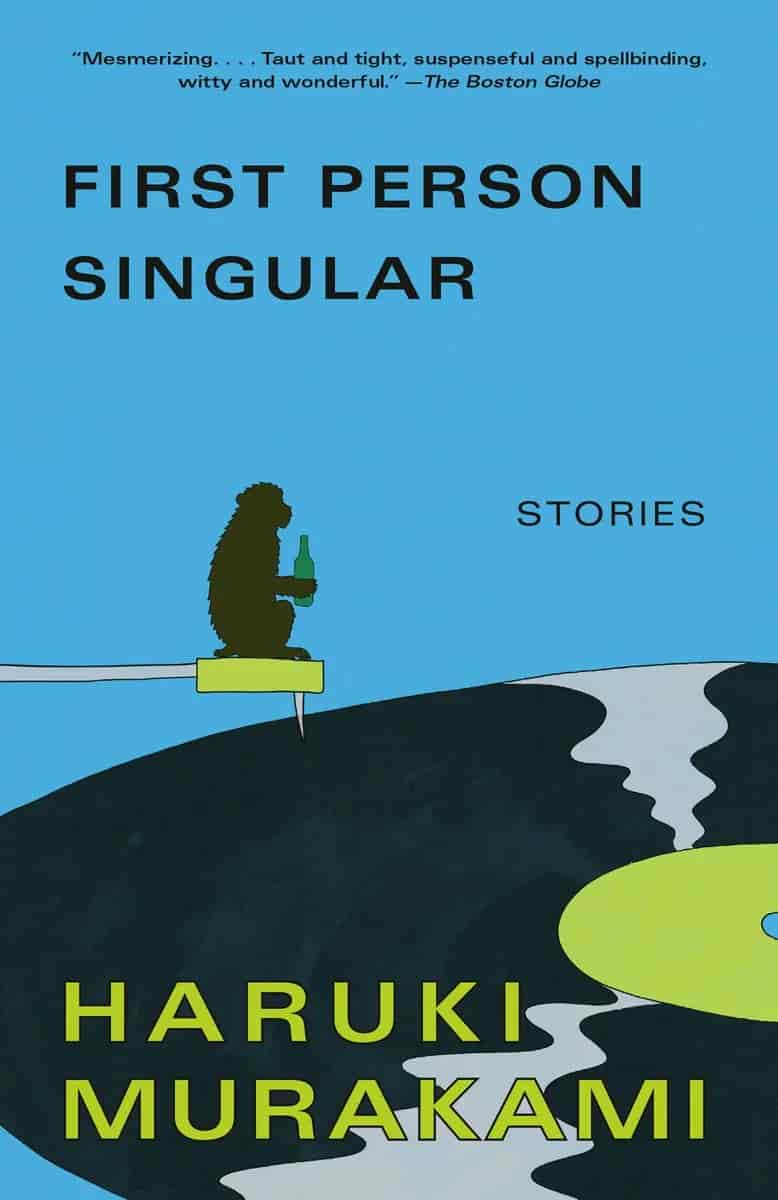
No matter how vivid memories may be, they can’t win out against the power of time.
p. 154
You can hide memories, but you can't erase the history that produced them.