


Quotes about meaning of life
20 quotes · 9 authors
Quotes
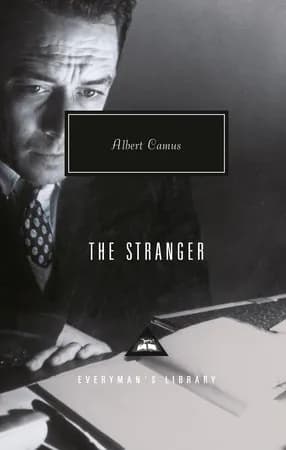
For the first time in a long time I thought about Maman. I felt as if I understood why at the end of her life she had taken a 'fiancé,' why she had played at beginning again. Even there, in that home where lives were fading out, evening was a kind of wistful respite. So close to death, Maman must have felt free then and ready to live it all again. Nobody, nobody had the right to cry over her. And I felt ready to live it all again too. As if the blind rage had washed me clean, rid me of hope; for the first time, in that night alive with signs and stars, I opened myself to the gentle indifference of the world. Finding it so much like myself — so like a brother, really — I felt I had been happy and that I was happy again. For everything to be consummated, for me to feel less alone, I had only to wish that there be a large crowd of spectators the day of my execution and that they greet me with cries of hate.
I don't know why, but something inside me snapped. I started yelling at the top of my lungs, and I insulted him and told him not to waste his prayers on me. I grabbed him by the collar of his cassock. I was pouring out on him everything that was in my heart, cries of anger and cries of joy.
He seemed so certain about everything, didn't he? And yet none of his certainties was worth one hair of a woman's head. He wasn't even sure he was alive, because he was living like a dead man. Whereas it looked as if I was the one who'd come up emptyhanded. But I was sure about me, about everything, surer than he could ever be, sure of my life and sure of the death I had waiting for me. Yes, that was all I had. But at least I had as much of a hold on it as it had on me. I had been right, I was still right, I was always right. I had lived my life one way and I could just as well have lived it another. I had done this and I hadn't done that. I hadn't done this thing but I had done another. And so? It was as if I had waited all this time for this moment and for the first light of this dawn to be vindicated. Nothing, nothing mattered, and I knew why. So did he. Throughout the whole absurd life I'd lived, a dark wind had been rising toward me from somewhere deep in my future, across years that were still to come, and as it passed, this wind leveled whatever was offered to me at the time, in years no more real than the ones I was living. What did other people's deaths or a mother's love matter to me; what did his God or the lives people choose or the fate they think they elect matter to me when we're all elected by the same fate, me and billions of privileged people like him who also called themselves my brothers? Couldn't he see, couldn't he see that? Everybody was privileged. There were only privileged people. The others would all be condemned one day. And he would be condemned, too.
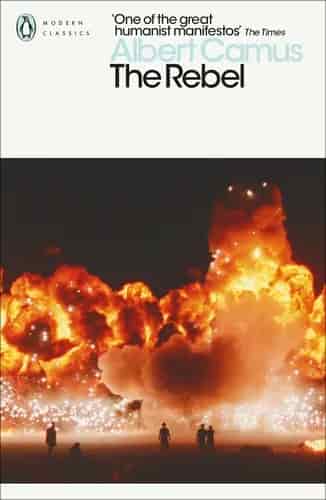
The absurd ... is an experience to be lived through, a point of departure, the equivalent, in existence of Descartes' methodical doubt. Absurdism, like methodical doubt, has wiped the slate clean. It leaves us in a blind alley. But, like methodical doubt, it can, by returning upon itself, open up a new field of investigation, and in the process of reasoning then pursues the same course. I proclaim that I believe in nothing and that everything is absurd, but I cannot doubt the validity of my proclamation and I must at least believe in my protest. The first and only evidence that is supplied me, within the terms of the absurdist experience, is rebellion ... Rebellion is born of the spectacle of irrationality, confronted with an unjust and incomprehensible condition.
p. 8
I went to the woods because I wished to live deliberately, to front only the essential facts of life, and see if I could not learn what it had to teach, and not, when I came to die, discover that I had not lived. I did not wish to live what was not life, living is so dear; nor did I wish to practise resignation, unless it was quite necessary. I wanted to live deep and suck out all the marrow of life, to live so sturdily and Spartan-like as to put to rout all that was not life, to cut a broad swath and shave close, to drive life into a corner, and reduce it to its lowest terms, and, if it proved to be mean, why then to get the whole and genuine meanness of it, and publish its meanness to the world; or if it were sublime, to know it by experience, and be able to give a true account of it in my next excursion. For most men, it appears to me, are in a strange uncertainty about it, whether it is of the devil or of God, and have somewhat hastily concluded that it is the chief end of man here to "glorify God and enjoy him forever."
p. 104
 Walden
I came into this world, not chiefly to make this a good place to live in, but to live in it, be it good or bad.
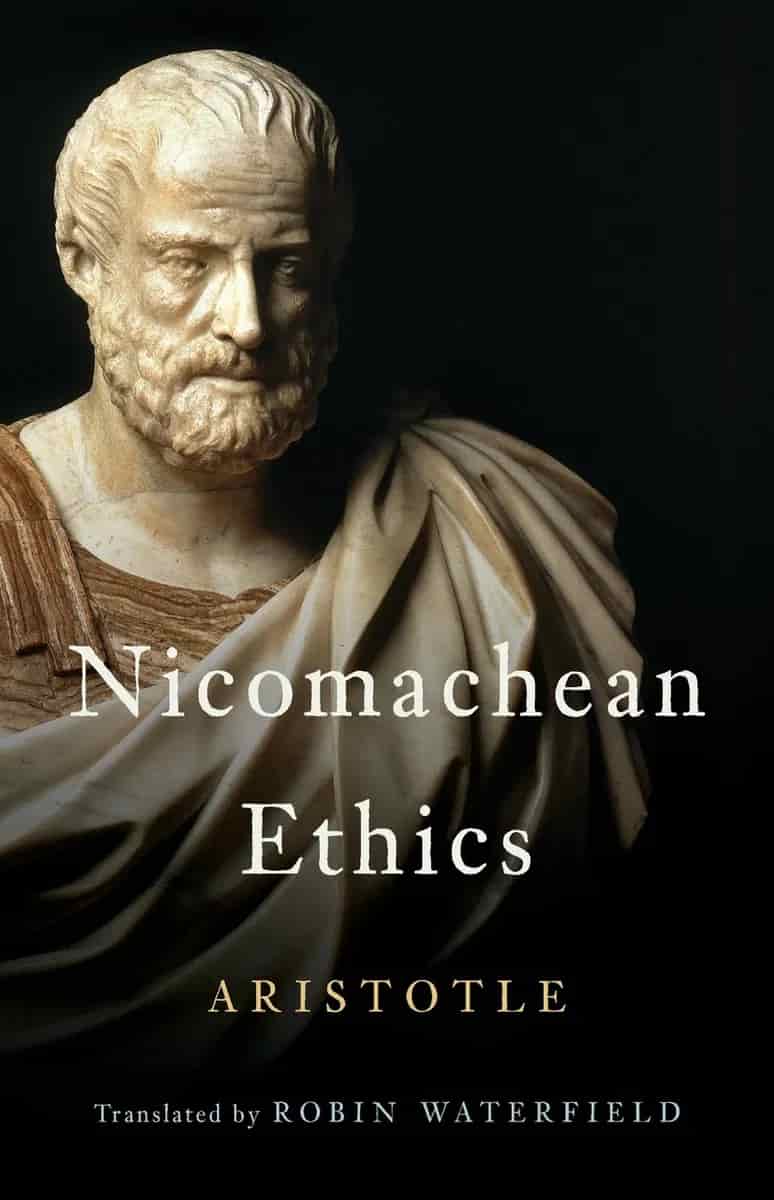
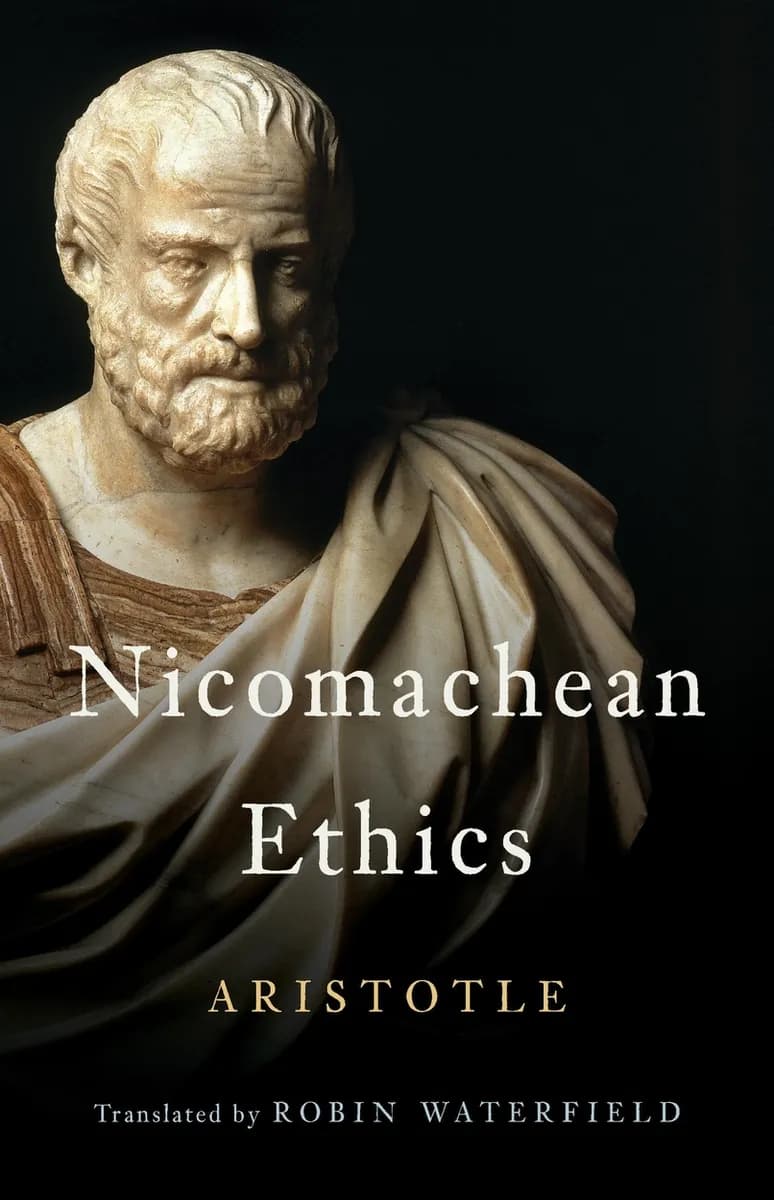
Civil DisobedienceIf there is some end of the things we do, which we desire for its own sake, clearly this must be the good. Will not knowledge of it, then, have a great influence on life? Shall we not, like archers who have a mark to aim at, be more likely to hit upon what we should? If so, we must try, in outline at least, to determine what it is.
Life seems to be common even to plants, but we are seeking what is peculiar to man. Let us exclude, therefore, the life of nutrition and growth. Next there would be a life of perception, but it also seems to be common even to the horse, the ox, and every animal. There remains, then, an active life of the element that has a rational principle; of this, one part has such a principle in the sense of being obedient to one, the other in the sense of possessing one and exercising thought. And, as "life of the rational element" also has two meanings, we must state that life in the sense of activity is what we mean; for this seems to be the more proper sense of the term. Now if the function of man is an activity of soul which follows or implies a rational principle, and if we say "so-and-so" and "a good so-and-so" have a function which is the same in kind, e.g. a lyre, and a good lyre-player, and so without qualification in all cases, eminence in respect of goodness being added to the name of the function (for the function of a lyre-player is to play the lyre, and that of a good lyre-player is to do so well): if this is the case, and we state the function of man to be a certain kind of life, and this to be an activity or actions of the soul implying a rational principle, and the function of a good man to be the good and noble performance of these, and if any action is well performed when it is performed in accordance with the appropriate excellence: if this is the case, human good turns out to be activity of soul in accordance with virtue, and if there are more than one virtue, in accordance with the best and most complete.
But we must add "in a complete life." For one swallow does not make a summer, nor does one day; and so too one day, or a short time, does not make a man blessed and happy.
p. 382
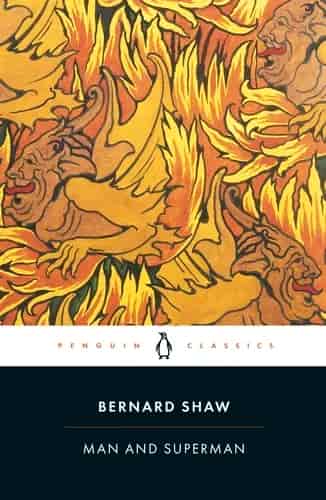
This is the true joy in life, the being used for a purpose recognized by yourself as a mighty one; the being thoroughly worn out before you are thrown on the scrap heap; the being a force of Nature instead of a feverish selfish little clod of ailments and grievances complaining that the world will not devote itself to making you happy.


That’s all the quotes.
8 quotes in the collection · come back when we add more