Quotes
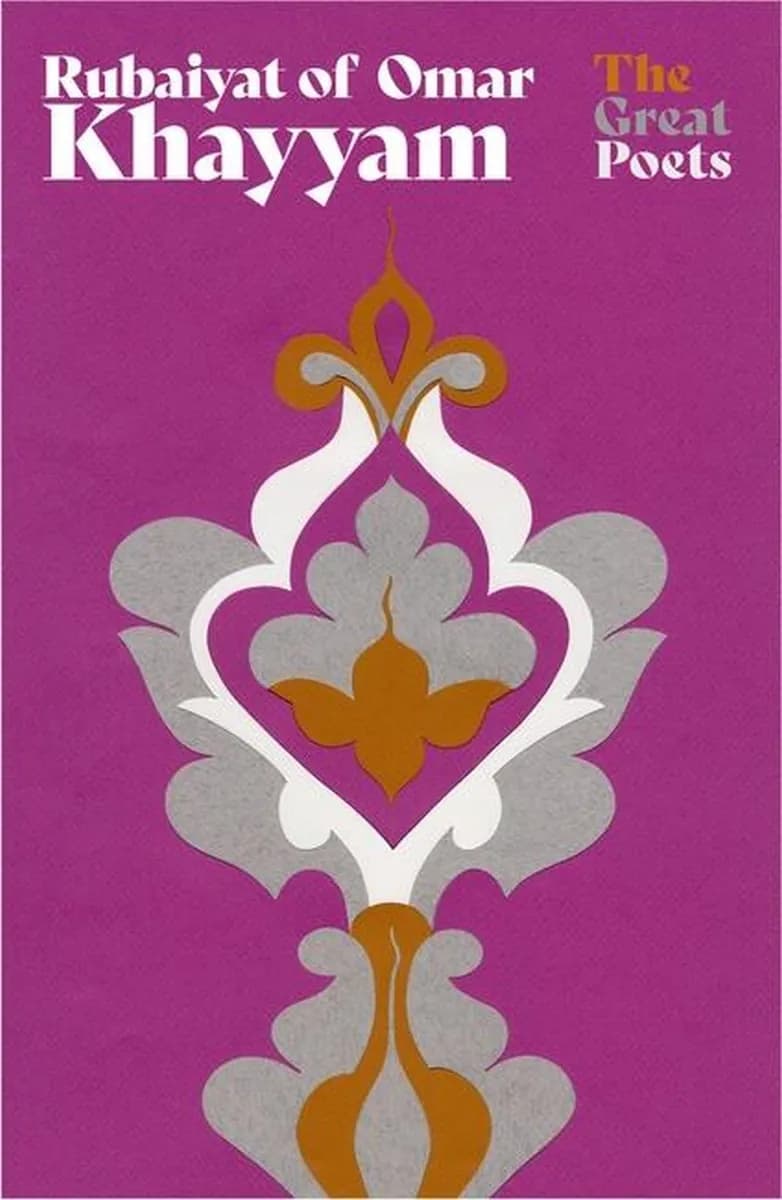
A Book of Verses underneath the Bough,
A Jug of Wine, a Loaf of Bread — and Thou
Beside me singing in the Wilderness —
Oh, Wilderness were Paradise enow!
In this country, don’t forget, a habit is no damn private hell. There’s no solitary confinement outside of jail. A habit is hell for those you love. And in this country it’s the worst kind of hell for those who love you.
“Foolishness,” Ulric Skakki said. “Everything that goes on between men and women is full of foolishness.”
p. 76
He thought she was the most wonderful woman in the world. Of course he did—she agreed with him.
p. 142
He spent years alternately chasing her and trying—always without much luck—to get her out of his mind. Now that he’d finally got her, finally found out just how much woman she was, losing her was the last thing he wanted. But two had to say yes. One was plenty for no.
p. 45
There was, he remembered, far more to love than what went on in bed, but that had its place too.
p. 281
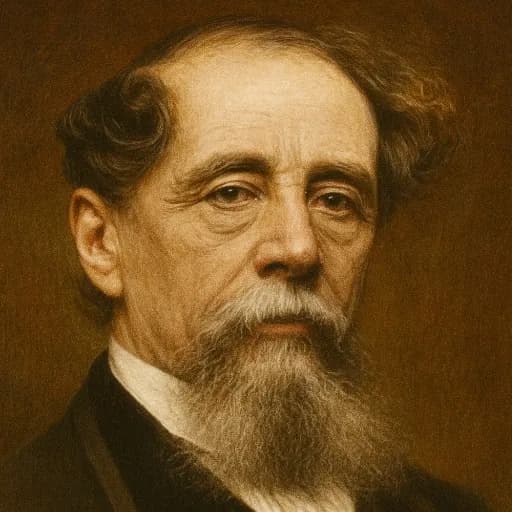
You are part of my existence, part of myself. You have been in every line I have ever read since I first came here, the rough common boy whose poor heart you wounded even then. You have been in every prospect I have ever seen since, — on the river, on the sails of the ships, on the marshes, in the clouds, in the light, in the darkness, in the wind, in the woods, in the sea, in the streets. You have been the embodiment of every graceful fancy that my mind has ever become acquainted with. The stones of which the strongest London buildings are made are not more real, or more impossible to be displaced by your hands, than your presence and influence have been to me, there and everywhere, and will be. Estella, to the last hour of my life, you cannot choose but remain part of my character, part of the little good in me, part of the evil. But, in this separation, I associate you only with the good; and I will faithfully hold you to that always, for you must have done me far more good than harm, let me feel now what sharp distress I may. O God bless you, God forgive you!
If you could see my legs when I take my boots off, you'd form some idea of what unrequited affection is.
But truth is not spoken in anger. Truth is spoken, if it ever comes to be spoken, in love.
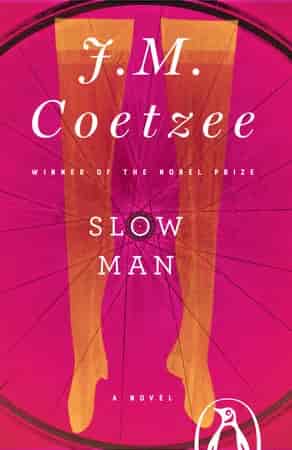
Why does love, even such love as he claims to practise, need the spectacle of beauty to bring it to life? What, in the abstract, do shapely legs have to do with love, or for that matter with desire? Or is that just the nature of nature, about which one does not ask questions?
Because he takes pleasure in her, because his pleasure is unfailing, an affection has grown up in him for her. To some degree, he believes, this affection is reciprocated. Affection may not be love, but it is at least its cousin.
“Love cannot be owed,” said the retreating shadow. “It can only be given.”
p. 460