Quotes
To speak practically and as a citizen, unlike those who call themselves no-government men, I ask for, not at once no government, but at once a better government. Let every man make known what kind of government would command his respect, and that will be one step toward obtaining it. After all, the practical reason why, when the power is once in the hands of the people, a majority are permitted, and for a long period continue, to rule, is not because they are most likely to be in the right, nor because this seems fairest to the minority, but because they are physically the strongest. But a government in which the majority rule in all cases cannot be based on justice, even as far as men understand it. Can there not be a government in which majorities do not virtually decide right and wrong, but conscience? — in which majorities decide only those questions to which the rule of expediency is applicable? Must the citizen ever for a moment, or in the least degree, resign his conscience to the legislator? Why has every man a conscience, then? I think that we should be men first, and subjects afterward. It is not desirable to cultivate a respect for the law, so much as for the right. The only obligation which I have a right to assume is to do at any time what I think right. It is truly enough said that a corporation has no conscience; but a corporation of conscientious men is a corporation with a conscience. Law never made men a whit more just; and, by means of their respect for it, even the well-disposed are daily made the agents of injustice.
Unjust laws exist: shall we be content to obey them, or shall we endeavor to amend them, and obey them until we have succeeded, or shall we transgress them at once?
How can a man be satisfied to entertain an opinion merely, and enjoy it? Is there any enjoyment in it, if his opinion is that he is aggrieved? If you are cheated out of a single dollar by your neighbor, you do not rest satisfied with knowing that you are cheated, or with saying that you are cheated, or even with petitioning him to pay you your due; but you take effectual steps at once to obtain the full amount, and see that you are never cheated again. Action from principle — the perception and the performance of right — changes things and relations; it is essentially revolutionary, and does not consist wholly with anything which was. It not only divides states and churches, it divides families; ay, it divides the individual, separating the diabolical in him from the divine.
It is not a man's duty, as a matter of course, to devote himself to the eradication of any, even the most enormous wrong; he may still properly have other concerns to engage him; but it is his duty, at least, to wash his hands of it, and, if he gives it no thought longer, not to give it practically his support.
Why, it was like reading about France and the French, before the ever memorable and blessed Revolution, which swept a thousand years of such villany away in one swift tidal-wave of blood -- one: a settlement of that hoary debt in the proportion of half a drop of blood for each hogshead of it that had been pressed by slow tortures out of that people in the weary stretch of ten centuries of wrong and shame and misery the like of which was not to be mated but in hell. There were two "Reigns of Terror," if we would but remember it and consider it; the one wrought murder in hot passion, the other in heartless cold blood; the one lasted mere months, the other had lasted a thousand years; the one inflicted death upon ten thousand persons, the other upon a hundred millions; but our shudders are all for the "horrors" of the minor Terror, the momentary Terror, so to speak; whereas, what is the horror of swift death by the axe, compared with lifelong death from hunger, cold, insult, cruelty, and heart-break? What is swift death by lightning compared with death by slow fire at the stake? A city cemetery could contain the coffins filled by that brief Terror which we have all been so diligently taught to shiver at and mourn over; but all France could hardly contain the coffins filled by that older and real Terror -- that unspeakably bitter and awful Terror which none of us has been taught to see in its vastness or pity as it deserves.
A man can’t get his rights in a govment like this. Sometimes I’ve a mighty notion to just leave the country for good and all.
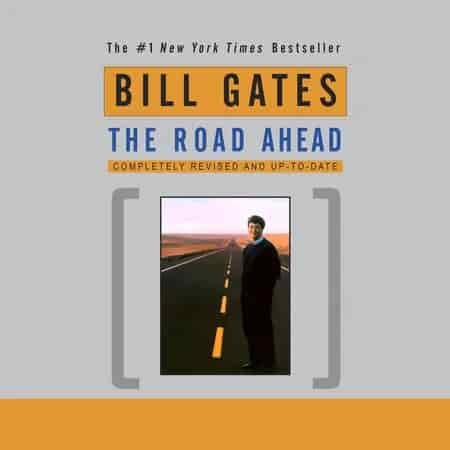
One of the wonderful things about the information highway is that virtual equity is far easier to achieve than real-world equity...We are all created equal in the virtual world and we can use this equality to help address some of the sociological problems that society has yet to solve in the physical world,"
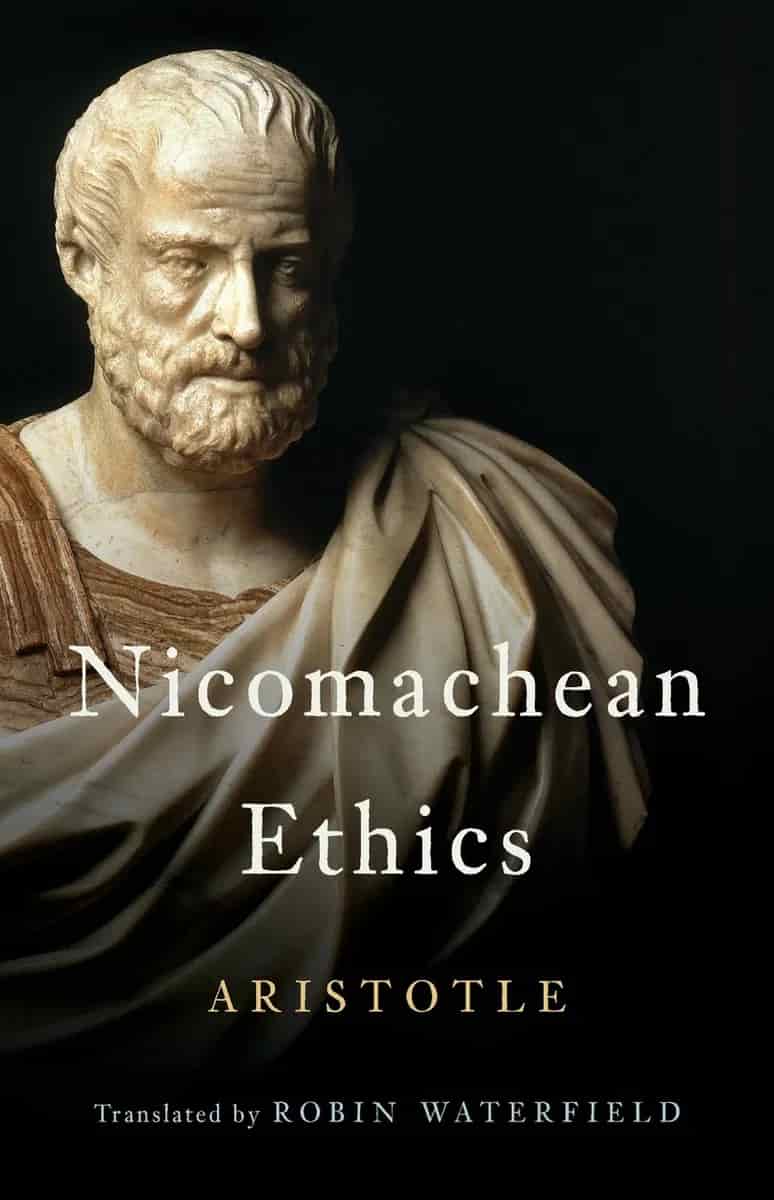
When people are friends, they have no need of justice, but when they are just, they need friendship in addition.
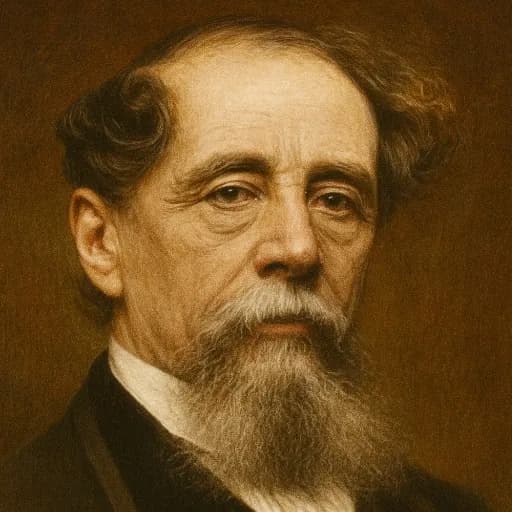
Looking at the Jury and the turbulent audience, he might have thought that the usual order of things was reversed, and that the felons were trying the honest men.
Before that unjust Tribunal, there was little or no order of procedure, ensuring to any accused person any reasonable hearing. There could have been no such Revolution, if all laws, forms, and ceremonies, had not first been so monstrously abused, that the suicidal vengeance of the Revolution was to scatter them all to the winds.
"'We were so robbed by that man who stands there, as all we common dogs are by those superior Beings — taxed by him without mercy, obliged to work for him without pay, obliged to grind our corn at his mill, obliged to feed scores of his tame birds on our wretched crops, and forbidden for our lives to keep a single tame bird of our own, pillaged and plundered to that degree that when we chanced to have a bit of meat, we ate it in fear, with the doors barred and the shutters closed, that his people should not see it and take it from us — I say, we were so robbed, and hunted, and were made so poor, that our father told us it was a dreadful thing to bring a child into the world, and that what we should most pray for, was, that our women might be barren and our miserable race die out!'"
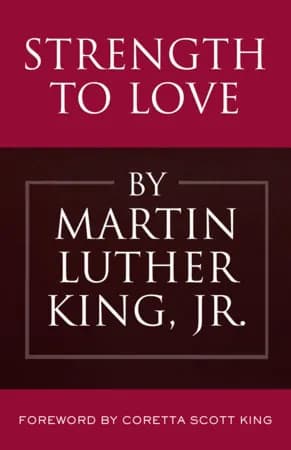
Some years ago Professor Bixler reminded us of the danger of overstressing the well-adjusted life. Everybody passionately seeks to be well-adjusted. We must, of course, be well-adjusted to avoid neurotic schizophrenic personalities, but there are some things in our world to which men of goodwill must be maladjusted. I confess that I never intend to become adjusted to the evils of segregation and the crippling effects of discrimination, to the moral degeneracy of religious bigotry and the corroding effects of narrow sectarianism, to economic conditions that deprive men of work and food, and the to the insanities of militarism and the self-defeating effects of physical violence.