Bill Gates
Quotes
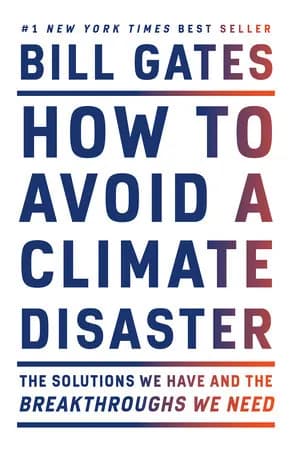
When it comes to climate change, I know innovation isn’t the only thing we need. But we cannot keep the earth livable without it. Techno-fixes are not sufficient, but they are necessary.
p. 14
To get [the breakthroughs on the "Technologies needed" list] ready soon enough to make a difference, governments need to . . . [q]uintuple clean energy and climate-related R&D over the next decade. . . .
p. 200
Success is a lousy teacher. It seduces smart people into thinking they can't lose.
It helps to set ambitious goals and commit to meeting them, the way countries around the world did with the 2015 Paris Agreement. It’s easy to mock international agreements, but they’re part of how progress happens: If you like having an ozone layer, you can thank an international agreement called the Montreal Protocol.
p. 215
Deploying today’s renewables and improving transmission couldn’t be more important. . . . Unless we use large amounts of nuclear energy . . . every path to zero in the United States will require us to install as much wind and solar power as we can build and find room for. . . . [M]ost countries aren’t as lucky as the United States when it comes to solar and wind resources. . . . That’s why, even as we deploy, deploy, deploy solar and wind, the world is going to need some new clean electricity inventions too.
I [have become] convinced of three things: 1. To avoid a climate disaster, we have to get to get to zero {net emissions by the year 2050}. 2. We need to deploy the tools we already have, like solar and wind, faster and smarter. 3. And we need to create and roll out breakthrough technologies that can take us the rest of the way.
p. 8
There are two numbers you need to know about climate change. The first is 51 billion. The other is zero. Fifty-one billion is how many tons of greenhouse gases the world typically adds to the atmosphere every year. . . . Zero is what we need to aim for [by the year 2050 to] stop the warming and avoid the worst effects of climate change . . . .
p. 3
We should spend the next decade focusing on the technologies, [governmental] policies and market structures that will put us on the path to eliminating greenhouse gases by 2050. It's hard to think of a better response to a miserable [year of COVID-19 disruptions during] 2020 than spending the next ten years dedicating ourselves to this ambitious goal.
p. 230
As a Consumer . . . Sign up for a green pricing program with your electric utility. . . . Reduce your home's emissions. . . . Buy an electric vehicle. . . . Try a plant-based burger.
As a Citizen . . . Make calls, write letters, attend town halls. . . . [M]ake clear that this is an issue that will help determine how you vote. . . . Look locally as well as nationally. . . . Run for office.
[W]ith transportation, the zero-carbon future is basically this: Use electricity to run all the vehicles we can, and get cheap alternative fuels for the rest. In the first group are passenger cars and trucks, light and medium trucks, and buses. In the second group are long-distance trucks, trains, airplanes, and container ships.
p. 147
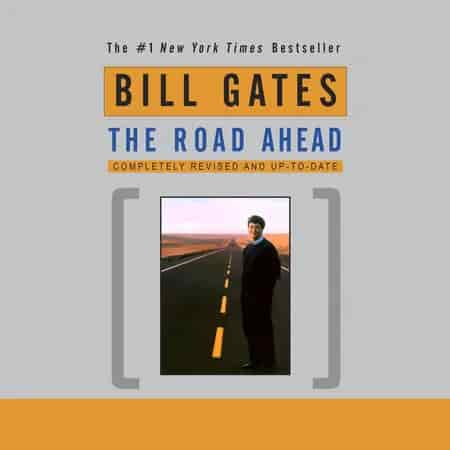
One of the wonderful things about the information highway is that virtual equity is far easier to achieve than real-world equity...We are all created equal in the virtual world and we can use this equality to help address some of the sociological problems that society has yet to solve in the physical world,"