Quotes about freedom
74 quotes · 24 authors
Quotes
Society can and does execute its own mandates: and if it issues wrong mandates instead of right, or any mandates at all in things with which it ought not to meddle, it practises a social tyranny more formidable than many kinds of political oppression, since, though not usually upheld by such extreme penalties, it leaves fewer means of escape, penetrating much more deeply into the details of life, and enslaving the soul itself. Protection, therefore, against the tyranny of the magistrate is not enough: there needs protection also against the tyranny of the prevailing opinion and feeling; against the tendency of society to impose, by other means than civil penalties, its own ideas and practices as rules of conduct on those who dissent from them; to fetter the development, and, if possible, prevent the formation, of any individuality not in harmony with its ways, and compel all characters to fashion themselves upon the model of its own.
 On Liberty
The great writers to whom the world owes what religious liberty it possesses, have mostly asserted freedom of conscience as an indefeasible right, and denied absolutely that a human being is accountable to others for his religious belief.
On LibertyA general State education is a mere contrivance for molding people to be exactly like one another; and as the mold in which it casts them is that which pleases the dominant power in the government, whether this be a monarch, an aristocracy, or a majority of the existing generation; in proportion as it is efficient and successful, it establishes a despotism over the mind, leading by a natural tendency to one over the body.
On LibertyThe only purpose for which power can be rightfully exercised over any member of a civilized community, against his will, is to prevent harm to others. His own good, either physical or moral, is not a sufficient warrant.
On LibertyWhatever crushes individuality is despotism, by whatever name it may be called, and whether it professes to be enforcing the will of God or the injunctions of men.
On LibertyIf all mankind minus one, were of one opinion, and only one person were of the contrary opinion, mankind would be no more justified in silencing that one person, than he, if he had the power, would be justified in silencing mankind.
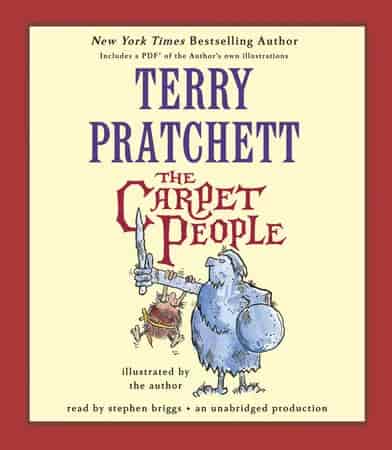
On Liberty'What would Deftmenes be if we went around obeying orders all the time?'
'They might be ruling the Carpet,' said Pismire.
'Ha!' said Brocando, 'but the trouble about obeying orders is, it becomes a habit. And then everything depends on who's giving the orders.'
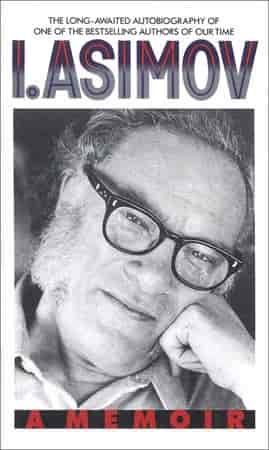
The rest of the faculty avoided me for fear that too close an association with the school leper might get them into trouble too. One of them, however, approached me cautiously once and, making sure we were not under observation, he told me that he was proud of me end of my bravery and continuing to fight for academic freedom.
I shrugged. “There’s no bravery about it. I have academic freedom and I can give it to you in two words.”
“What’s that?” he asked.
“Outside income,” I said.
It’s true. The average faculty member is under an enormous disadvantage in a fight with the administration. He need not even be fired, he need merely be harassed, and he must start looking for a new position. They are not easy to find and generally, if he waits too long, he might find he is fired and, without a salary, he can be in deep financial trouble.
p. 198
He (Robert A. Heinlein) always pictured himself a libertarian, which to my way of thinking means “I want the liberty to grow rich and you can have the liberty to starve.” It’s easy to believe that no one should depend on society for help when you yourself happen not to need such help.
p. 311
The whole world seems to live under the banner: “Freedom is wonderful—but only for me.”
p. 22
“It is absolutely forbidden for the Imperial government to exercise any security control over the University or its members. There is complete freedom. Anything can be discussed here, anything can be said here.”
“What about violent crime?”
“Then the University authorities themselves handle it, with reason and care—and there are virtually no crimes of violence. The students and faculty appreciate their freedom and understand its terms. Too much rowdiness, the beginning of riot and bloodshed, and the government may feel it has the right to break the unwritten agreement and send in the troops. No one wants that, not even the government, so a delicate balance is maintained.”
p. 78
“How does it concern you people? It’s our problem. We’ll solve it. If not, it’s our own particular road to hell.”
“Better your own road to hell than another’s road to heaven, eh?”
p. 90