Quotes
“I don’t know” is my favorite position.
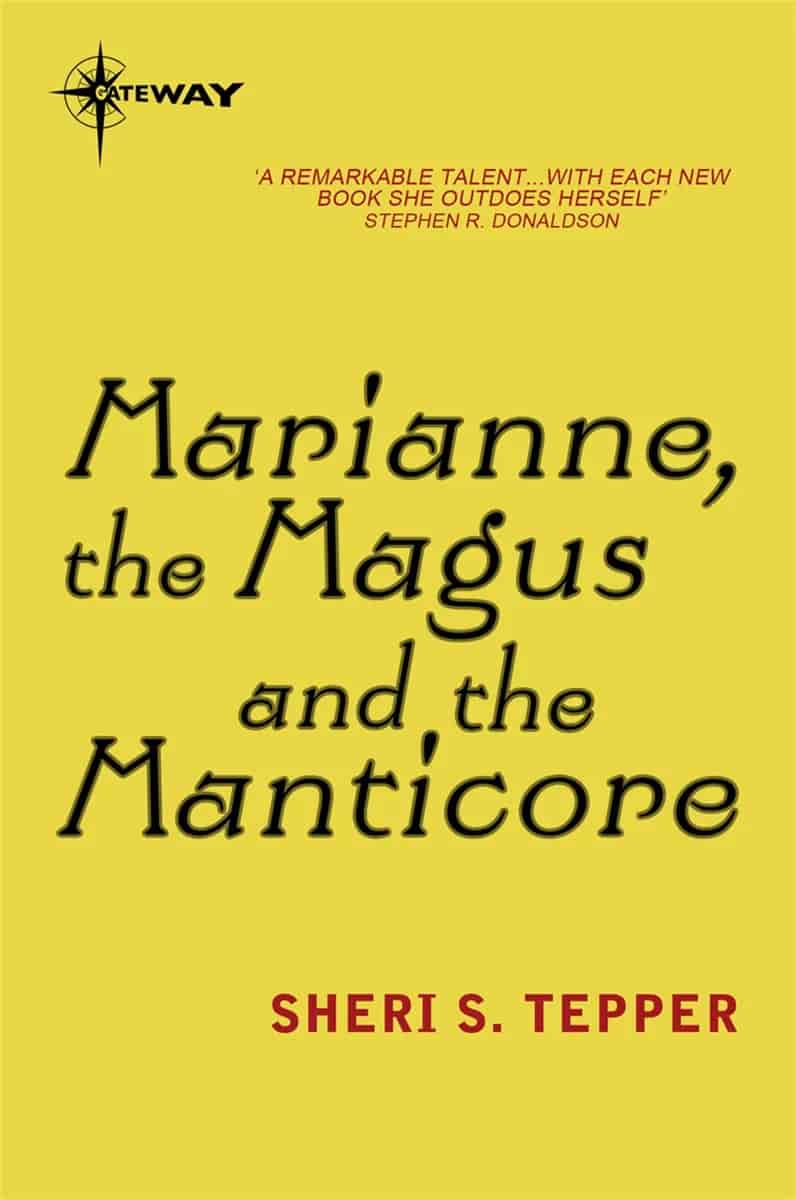
"But I'd have you know that my Stupidity and my Skepticism are two sides of the same coin, and are of a very particular kind, which is carefully thought out. ... The imbalance between the grand mysteries of the Universe as opposed to our own feeble faculties, leads us to set very modest expectations as to what we shall and shan't be able to understand--and makes us passing suspicious of anyone who propounds dogma or seems to phant'sy he has got it all figured out.
"Pray explain how it is that there may be such a thing as free will, and a spirit that may do as it pleases, unbound by the Mathematick laws of our Mechanical Philosophy."
"It is not skepticism for its own sake, Father. Simply an awareness that we are prone to error, and that it is difficult to view anything impartially."
"That is fine when you are talking about comets."
"I'll not discuss religion, then. Good-bye, Father."
"God be with you, Daniel."
Religions do not teach doubt.
p. 322
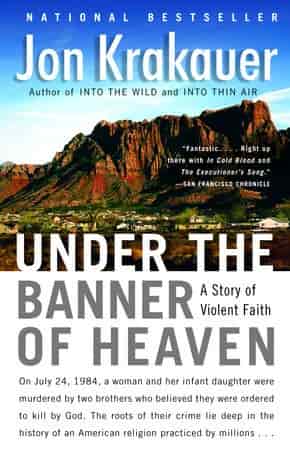
I don't know what God is, or what God had in mind when the universe was set in motion. In fact, I don't know if God even exists, although I confess that I sometimes find myself praying in times of great fear, or despair, or astonishment at a display of unexpected beauty. There are some ten thousand religious sects — each with its own cosmology, each with its own answer for the meaning of life and death. Most assert that the other 9,999 not only have it completely wrong but are instruments of evil, besides. None of the ten thousand has yet persuaded me to make the requisite leap of faith. In the absence of conviction, I've come to terms with the fact that uncertainty is an inescapable corollary of life. An abundance of mystery is simply part of the bargain — which doesn't strike me as something to lament. Accepting the essential inscrutability of existence, in any case, is surely preferable to its opposite: capitulating to the tyranny of intransigent belief. And if I remain in the dark about our purpose here, and the meaning of eternity, I have nevertheless arrived at an understanding of a few modest truths: Most of us fear death. Most of us yearn to comprehend how we got here, and why — which is to say, most of us ache to know the love of our creator. And we will no doubt feel that ache, most of us, for as long as we happen to be alive.
To choose doubt as a philosophy of life is akin to choosing immobility as a means of transportation.
p. 31
“God done made this happen. He kin make us come through it, too, so long as He take it in His mind He want to do dat.”
“Amen,” Athenaeus said. Scipio made himself nod. He didn’t want to seem out of place—seeming out of place was one of his greatest fears, because it was deadly dangerous. But if God had really wanted to do something about this disaster, couldn’t He have stopped it in the first place?
p. 240
Impasse. Stuart hated impasses. He hated ambiguity of any kind. The older he got, the more ambiguity he saw in the world. He hated that, too.
p. 446
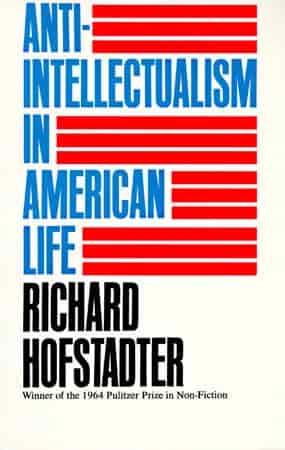
Whatever the intellectual is too certain of, if he is healthily playful, he begins to find unsatisfactory. The meaning of his intellectual life lies not in the possession of truth but in the quest for new uncertainties.
p. 30
Only the madman is ever sure.
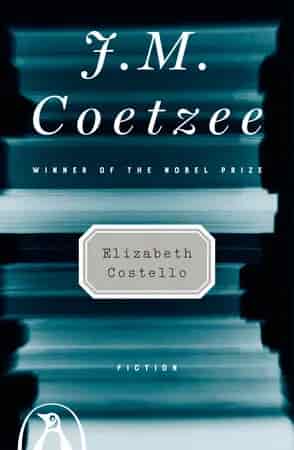
She is not sure, as she listens to her own voice, whether she believes any longer in what she is saying.
Lion had few doubts about his actions. As he had said on more than one occasion, “I may be wrong, but I am never in doubt.”
p. 162