Leafy Quotes
Recently added
The newest book quotes in the Leafy Quotes collection — passages readers have just added, each with its author, book and the page it came from.
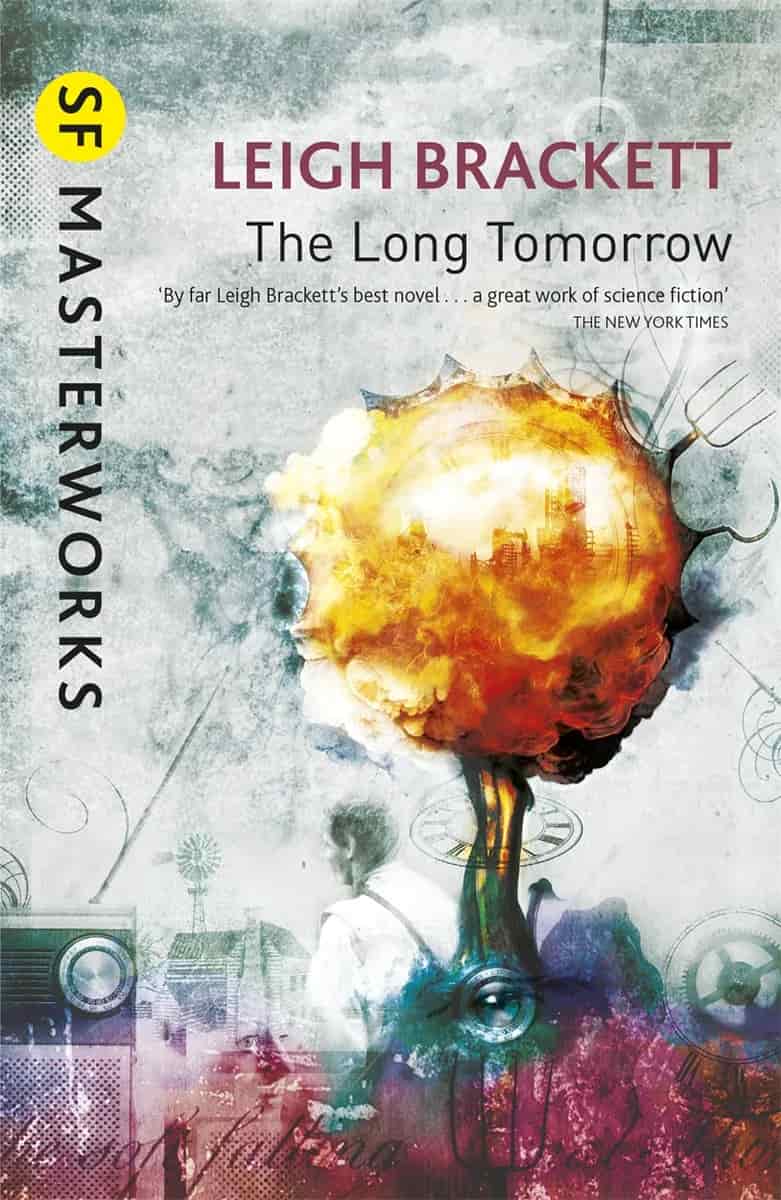
He could hear Pa’s voice saying, “A man’s religion, his sect, is his own affair. But those people have no religion or sect. They’re a mob, with a mob’s fear and cruelty, and with half-crazy, cunning men stirring them up against others.”
You can’t destroy knowledge. You can stamp it under and burn it up and forbid it to be, but somewhere it will survive.
I am finished with running. Now I will stop and choose my way.
Sooner or later a man has to stop and choose his way, not out of the ways he would like there to be, or the ways there ought to be, but out of the ways there are.
It was disappointing, as if a wish she didn’t know she’d made hadn’t come true.
p. 46
“What kind of idiot do you think I am?”
”I have no idea what kind of idiot you are,” Miss Jesczenka said. “That’s why I’m asking.”
p. 133
“Why did they do it?” he asked.
“Because they’re afraid.”
“Of what?”
“Of yesterday,” said Mr. Hostetter. “Of tomorrow.”
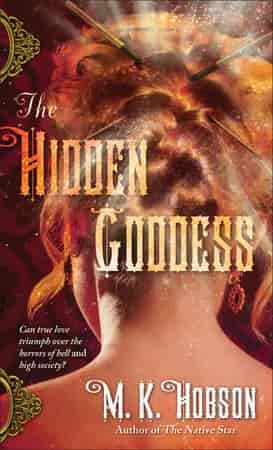
Could one die from boredom, she wondered? From complete, oppressive, crushing, unmitigated boredom, the likes of which made all other boredom seem like ecstasy’s sweet thrilling embrace? And in such a case, if one happened to have a life insurance policy, would it pay?
p. 17
But for today, yesterday, tomorrow, it is not important. Time goes on without any of us. Only a belief, a state of mind, endures, and even that changes constantly, but underneath there are two main kinds—the one that says, Here you must stop knowing, and the other which says, Learn.
Right or wrong, the fruit was eaten, and there can’t ever be a going back.
I have made my choice.
Knowledge is not like sin. There is no mystical escape from it.
No matter which way I go I know now that I will never have peace.
For peace is certainty, and there is no certainty but death.
It was her own evil assumptions that had done her in. She hadn’t even considered the third possible explanation for his strange behavior—that he was a perfectly nice man, without an ounce of guile, just trying to be helpful. People helped people in California. Why hadn’t she thought of that? She’d only been in New York a few weeks, and already she was turning hard and suspicious.
p. 33
Having engaged in vigorous and passionate debate while on their honeymoon trip from New York, they had arrived at the startling—and rather liberating—conclusion that the marriage itself was not at all necessary. Stanton no longer had a name to give, and taking Emily’s would have involved all the tedium of authority and nonsense they’d hoped to avoid. So, in the end, he had returned to her the simple gold band she had worn for so long, sliding it onto the ring finger of her new right hand. And she had given him a soft slow kiss. They were the only vows required.
p. 373