Leafy Quotes
Recently added
The newest book quotes in the Leafy Quotes collection — passages readers have just added, each with its author, book and the page it came from.
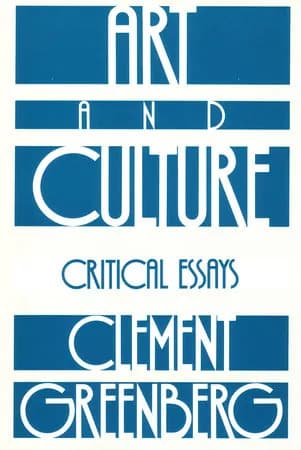
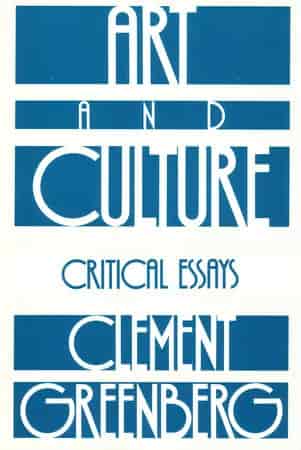
The main trouble with avant-garde art and literature, from the point of view of fascists and Stalinists, is not that they are too critical, but that they are too "innocent," that it is too difficult to inject effective propaganda, that kitsch is more pliable to this end.
p. 19
Believing in accidents is like believing in miracles--both presuppose that God does not know the future.
When it comes to the world around us, is there any choice but to explore?
Fate presented itself to some like a chinese fan--one side black, the other side gilded with flowers.
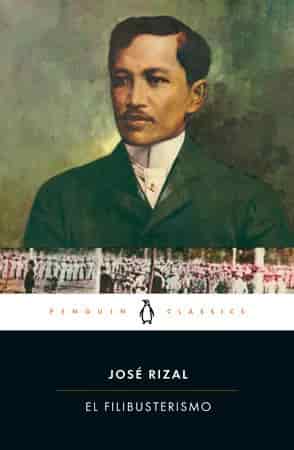
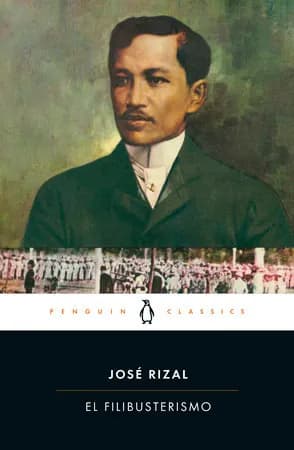
The glory of saving a country is not for him who has contributed to its ruin.
Truth does not need to borrow garments from error. (Also translated as: Truth does not need to borrow garments from falsehood.)
The school of suffering tempers the spirit, the arena of combat strengthens the soul.
Complete honesty has nothing to do with "purity" or naivety. The full truth is unattainable to naivety, and the completely honest artist is not pure in heart.
p. 146
One cannot condemn tendencies in art; one can only condemn works of art. To be categorically against a current art tendency or style means, in effect, to pronounce on works of art not yet created and not yet seen. It means inquiring into the motives of artists instead of into results. Yet we all know — or are supposed to know — that results are all that count in art.
p. 164
I die without seeing the dawn brighten over my native land.You who have it to see, welcome it--and forget not those who have fallen during the night!
Perhaps the greatest change that industrialism (along with Protestantism and rationalism) has made in daily life is to separate work from leisure in a radical and almost absolute way. Once the efficacy of work began to be more clearly and fully appreciated, work had to become more efficacious in itself — that is, more efficient. To this end, it had to be more sharply separated from everything that was not work; it had to be made more concentratedly and purely itself — in attitude, in method and, above all, in time. Moreover, under the rule of efficiency, seriously purposeful activity in general tended to become assimilated to work. The effect of all this has been to reduce leisure to an occasion more exclusively of passivity, to a breathing spell and interlude; it has become something peripheral.
p. 31
A large picture can give us images of things, but a relatively small one can best re-create the instantaneous unity of nature as a view — the unity of which the eyes take in at a single glance.
p. 201