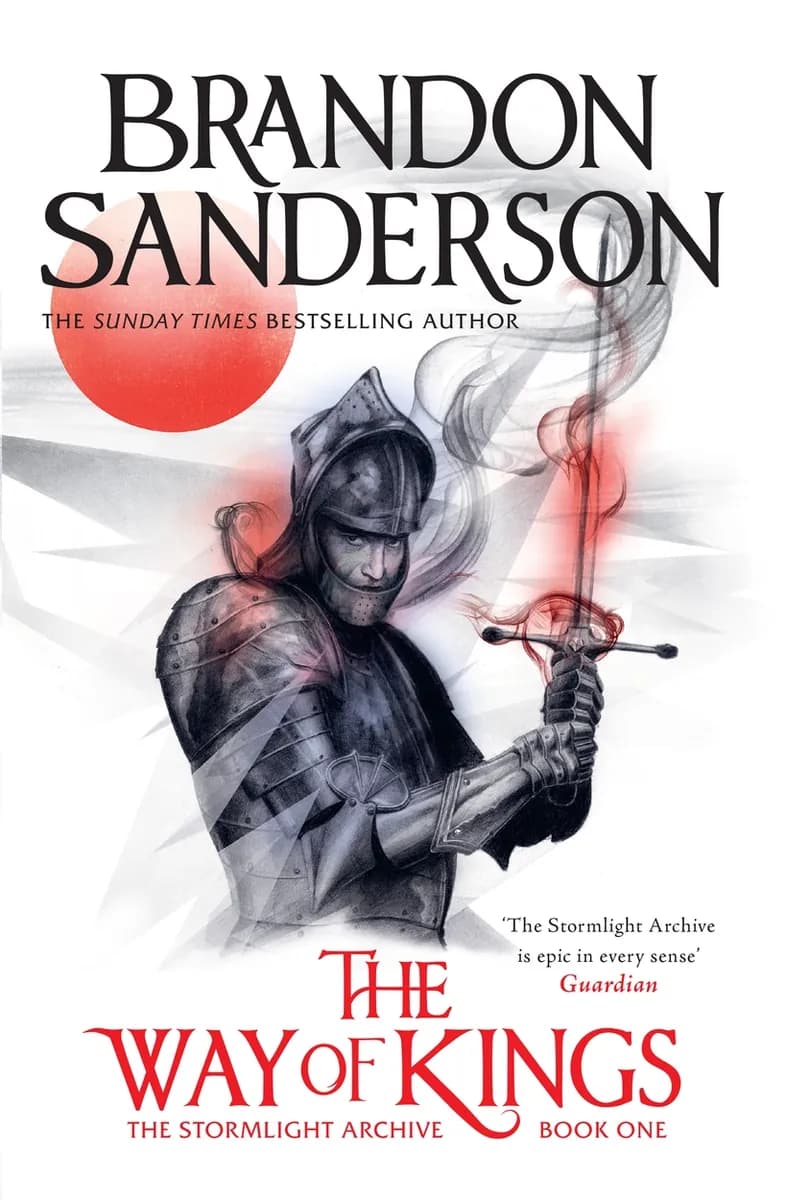
Quotes
“I am not in so great a hurry to put my neck beneath any man's foot; and I do not so greatly admire the crying of babies”
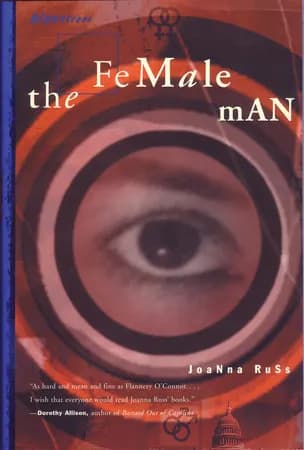
It is delightful to be a woman; but every man thanks the Lord devoutly that he isn’t one.
p. 172
“I have discovered that of all cursed places under the sun, where the hungriest soul can hardly pick up a few grains of knowledge, a girls' boarding-school is the worst. They are called finishing schools, and the name tells accurately what they are. They finish everything but imbecility and weakness, and that they cultivate.”
The assumption that it is the men who should be warriors seems to be almost universal through time and across cultures and, while there are examples of women warriors, the overwhelming majority of those who have fought are men. And when rules of war have developed in different societies, women, along with old people, children and, sometimes, priests have been classified as non-combatants. The reasons why men have largely done the fighting and women have not are as much debated as the origins of war itself, and again the explanations range from the biological to the cultural. If gender differences are averaged, men come out higher on the scale of strength and size and possibly aggression, but there are many big strong women who can match and surpass men. The fact that men have more testosterone than women may make them more prone to being aggressive – although scientists are far from reaching a consensus – but there are many men who are gentle by nature and do not want to fight. Militaristic societies such as Sparta or the military through the ages would not have spent so much time on training which inculcates the ‘right’ attitudes if the great majority of men were natural-born killers. Women, when they choose or are obliged to fight, can be as fierce as men.
The meaning of the word “feminist” has not really changed since it first appeared in a book review in the Athenaeum of April 27, 1895, describing a woman who “has in her the capacity of fighting her way back to independence.” It is the basic proposition that, as Nora put it in Ibsen's A Doll's House a century ago, “Before everything else I'm a human being.” It is the simply worded sign hoisted by a little girl in the 1970 Women's Strike for Equality: I AM NOT A BARBIE DOLL. Feminism asks the world to recognize at long last that women aren't decorative ornaments, worthy vessels, members of a “special-interest group”. They are half (in fact, now more than half) of the national population, and just as deserving of rights and opportunities, just as capable of participating in the world's events, as the other half. Feminism's agenda is basic It asks that women not be forced to “choose” between public justice and private happiness. It asks that women be free to define themselves — instead of having their identity defined for them, time and again, by their culture and their men.
To blame feminism for women's “lesser life” is to miss entirely the point of feminism, which is to win women a wider range of experience. Feminism remains a pretty simple concept, despite repeated — and enormously effective efforts to dress it up in greasepaint and turn its proponents into gargoyles. As Rebecca West wrote sardonically in 1913, “I myself have never been able to find out precisely what feminism is: l only know that people call me a feminist whenever I express sentiments that differentiate me from a doormat."
I had thought that women were inherently different from men. And in formulating that difference, I had also objectified women. They were different. They didn't have the same feelings I did. They were they.
Remember: I didn’t and don’t want to be a “feminine” version or a diluted version or a special version or a subsidiary version or an ancillary version, or an adapted version of the heroes I admire. I want to be the heroes themselves.
What future is there for a female child who aspires to being Humphrey Bogart?
p. 206
The biggest problem between the sexes was the tendency to objectify the opposite sex and ultimately become powerless before them. Both men and women did this about the opposite sex. They were this way or that way. They had this tendency. There was nothing we could do about the way they behaved.
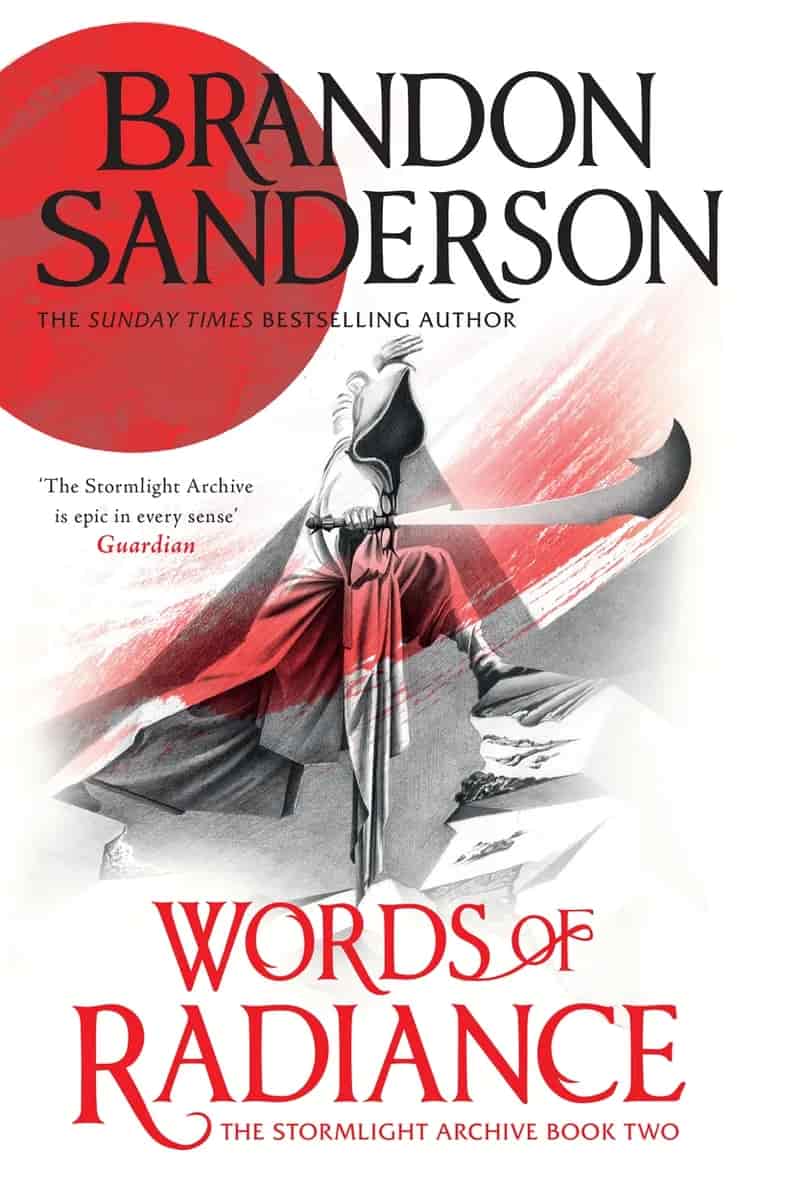
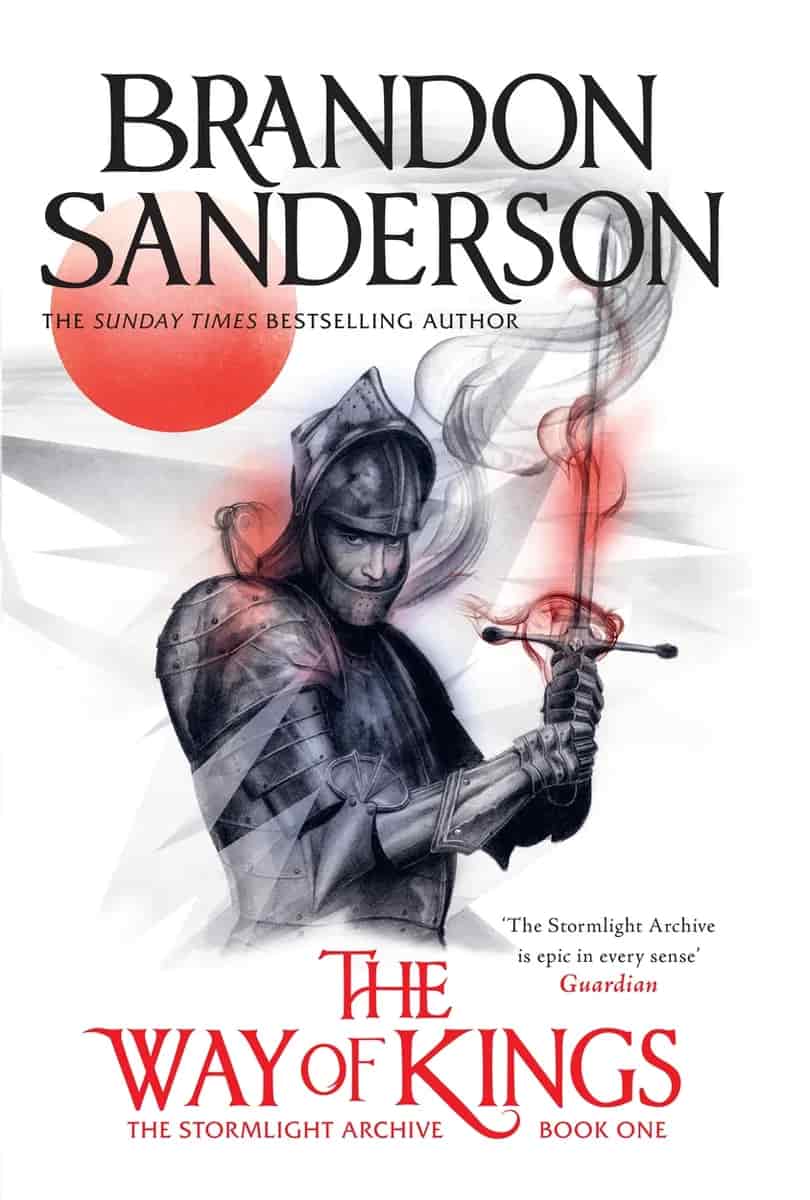
“I am a soldier, not a musician,” Kaladin said. “Besides, music is for women.”
“All people are musicians,” Wit countered. “The question is whether or not they share their songs. As for music being feminine, it’s interesting that the woman who wrote that treatise—the one you all practically worship in Alethkar—decided that all of the feminine tasks involve sitting around having fun while all the masculine ones involve finding someone to stick a spear in you. Telling, eh?”
p. 638
“Curious,” she said. “I will do my best to pretend there was sense in that. As an aside, has it ever struck you that most masculine arts deal with destroying, while feminine arts deal with creation?”
p. 418
There is nothing stronger than a broken woman who has rebuilt herself.