Quotes about wisdom
240 quotes · 140 authors
Quotes
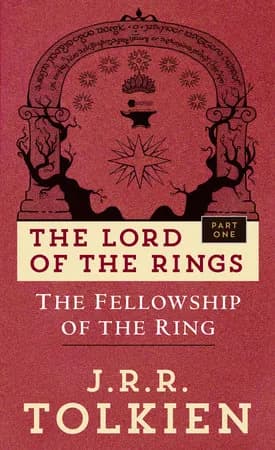
This is the hour of the Shire-folk, when they arise from their quiet fields to shake the towers and counsels of the Great. Who of all the Wise could have foreseen it? Or, if they are wise, why should they expect to know it, until the hour has struck?
He that breaks a thing to find out what it is has left the path of wisdom.
Deserves it! I daresay he does. Many that live deserve death. And some that die deserve life. Can you give it to them? Then do not be too eager to deal out death in judgement. For even the very wise cannot see all ends. I have not much hope that Gollum can be cured before he dies, but there is a chance of it. And he is bound up with the fate of the Ring. My heart tells me that he has some part to play yet, for good or ill, before the end; and when that comes, the pity of Bilbo may rule the fate of many – yours not least.
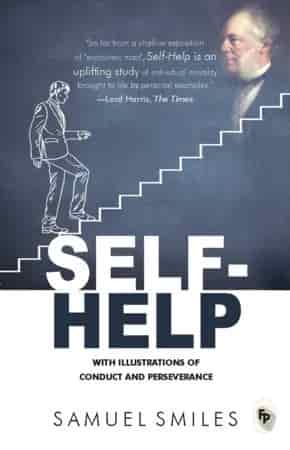
We learn wisdom from failure much more than from success. We often discover what will do, by finding out what will not do; and probably he who never made a mistake never made a discovery.
"The little folk dare anything", said his friend. "And they talks a lot of nonsense. But they talks an awful lot of sense, as well. You listen to 'em at your peril, and you ignore 'em at your peril, too".
In our reasonings concerning matter of fact, there are all imaginable degrees of assurance, from the highest certainty to the lowest species of moral evidence. A wise man, therefore, proportions his belief to the evidence.
It [angling] deserves commendations;… it is an art worthy the knowledge and practice of a wise man.
Rivers and the inhabitants of the watery element are made for wise men to contemplate, and for fools to pass by without consideration.
He will need to be just a little bigger than smart, and a little braver than either.
p. 203
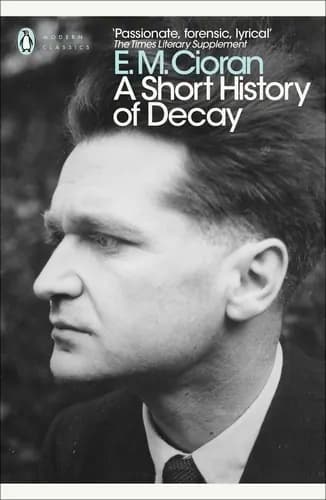
Though we may prefer ourselves to the universe, we nonetheless loathe ourselves much more than we suspect. If the wise man is so rare a phenomenon, it is because he seems unshaken by the aversion which, like all beings, he must feel for himself.
I feel safer with a Pyrrho than with a St. Paul, for a jesting wisdom is gentler than an unbridled sanctity.
But whither am I going? O Emile! what art thou now? Is this my pupil? How art thou fallen! Where is that young man so sternly fashioned, who braved all weathers, who devoted his body to the hardest tasks and his soul to the laws of wisdom; untouched by prejudice or passion, a lover of truth, swayed by reason only, unheeding all that was not hers? Living in softness and idleness he now lets himself be ruled by women; their amusements are the business of his life, their wishes are his laws; a young girl is the arbiter of his fate, he cringes and grovels before her; the earnest Emile is the plaything of a child. So shift the scenes of life; each age is swayed by its own motives, but the man is the same. At ten his mind was set upon cakes, at twenty it is set upon his mistress; at thirty it will be set upon pleasure; at forty on ambition, at fifty on avarice; when will he seek after wisdom only? Happy is he who is compelled to follow her against his will! What matter who is the guide, if the end is attained. Heroes and sages have themselves paid tribute to this human weakness; and those who handled the distaff with clumsy fingers were none the less great men.
The great mistake of tutors and still more of fathers is to think that one way of living makes another impossible, and that as soon as the child is grown up, you must abandon everything you used to do when he was little. If that were so, why should we take such pains in childhood, since the good or bad use we make of it will vanish with childhood itself; if another way of life were necessarily accompanied by other ways of thinking?