Quotes about thinking
409 quotes · 191 authors
Quotes
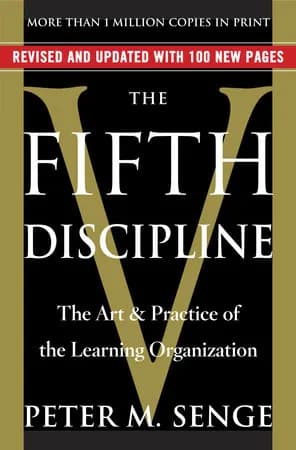
Systems thinking is a discipline for seeing the 'structures' that underlie complex situations, and for discerning high from low leverage change. That is, by seeing wholes we learn how to foster health. To do so, systems thinking offers a language that begins by restructuring how we think.
p. 69
We will do almost anything for our visions, except think about them. The purpose of this book is to think about them.
We will not achieve the understanding we need, however, unless we are willing to think clearly about our problems and to follow those thoughts wherever they lead. Some people say that our economic problems are structural, with no quick cure available; but I believe that the only important structural obstacles to world prosperity are the obsolete doctrines that clutter the minds of men.
"Have you noticed that the imbecile always smiles? Man's first frown is the first touch of God on his forehead. The touch of thought."
p. 693
"We must not think. We must believe. Believe, Katie, even if your mind objects. Don't think. Believe. Trust your heart, not your brain. Don't think. Feel. Believe."
p. 388
When there is genuine artistry in scientific inquiry and philosophic speculation, a thinker proceeds neither by rule nor yet blindly, but by means of meaning that exist immediately as feelings having qualitative color.
We cannot grasp any idea, any organ of meditation, we cannot possess it in full force, until we have felt and sensed it, as much so as if it were an odor or a color.
A great deal of her obscurity and cant, Tenar had begun to realize, was mere ineptness with words and ideas. Nobody had ever taught her to think consecutively. Nobody had ever listened to what she said. All that was expected, all that was wanted of her was muddle, mystery, mumbling. She was a witchwoman. She had nothing to do with clear meaning.
Beware of analogies: for millenia they corrupted medicine, and it may be their fault that today's pedagogical systems are so numerous, and after three thousand years of argument we still don't know which is best.
Maybe if they didn't know it beforehand, they wouldn't find out I'd ever been guilty of trying to think for myself.
For Cioran the aphoristic style is less a principle of reality than a principle of knowing: that it’s the destiny of every profound idea to be quickly checkmated by another idea, which it itself has implicitly generated.
p. 79
According to an old rule of psychic contagion: that absence of clarity or outright confusion in one, just one specific, local matter will end by infecting the whole of one's judgment.
p. 160