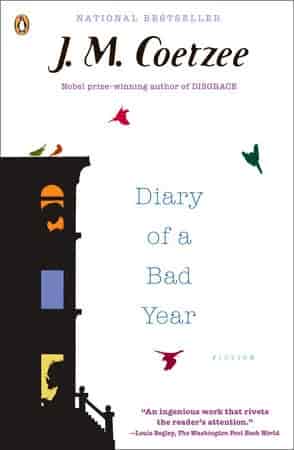
Quotes
As every secret policeman knows, there is no such thing as a coincidence; the state has too many enemies.
p. 139
Personally, I think government is a tool, like a hammer. You can use a hammer to build or you can use a hammer to destroy; there is nothing intrinsically good or evil about the hammer itself. It is the purposes to which it is put and the skill with which it is used that determine whether the hammer's work is good or bad. (Introduction)
Nations are never virtuous, though they might sometimes think they are.
p. 149
Nothing the government touches ever ends up looking just the way you thought it would before you started—you need to understand that right from the beginning, or else you start going crazy.
p. 465
[W]e must make up our minds to look for our protection not to legal terrors but to careful administration.
The modern state appeals to morality, to religion, and to natural law as the ideological foundation of its existence. At the same time it is prepared to infringe any or all of these in the interest of self-preservation.
p. 17
I’ve come to believe, from experience and reading and what I’ve learned on the outside, that the Regime—I suppose really, one might say any regime—is rather like a pot of porridge. If vigorously stirred every now and then, it can be a nourishing if not always tasty staple, but if left on the heat unstirred for some time it becomes increasing stodgy. If left untended, it can char into an immovable solid, like coal.
Thereafter, it is incapable of being stirred, incapable of providing nourishment. When a regime is like that, citizens have to resort to bribery or lawbreaking to do quite necessary things like digging wells or fixing roads, thus joining corruption to congealment.
p. 293
To minimize suffering and to maximize security were natural and proper ends of society and Caesar. But then they became the only ends, somehow, and the only basis of law — a perversion. Inevitably, then, in seeking only them, we found only their opposites: maximum suffering and minimum security.
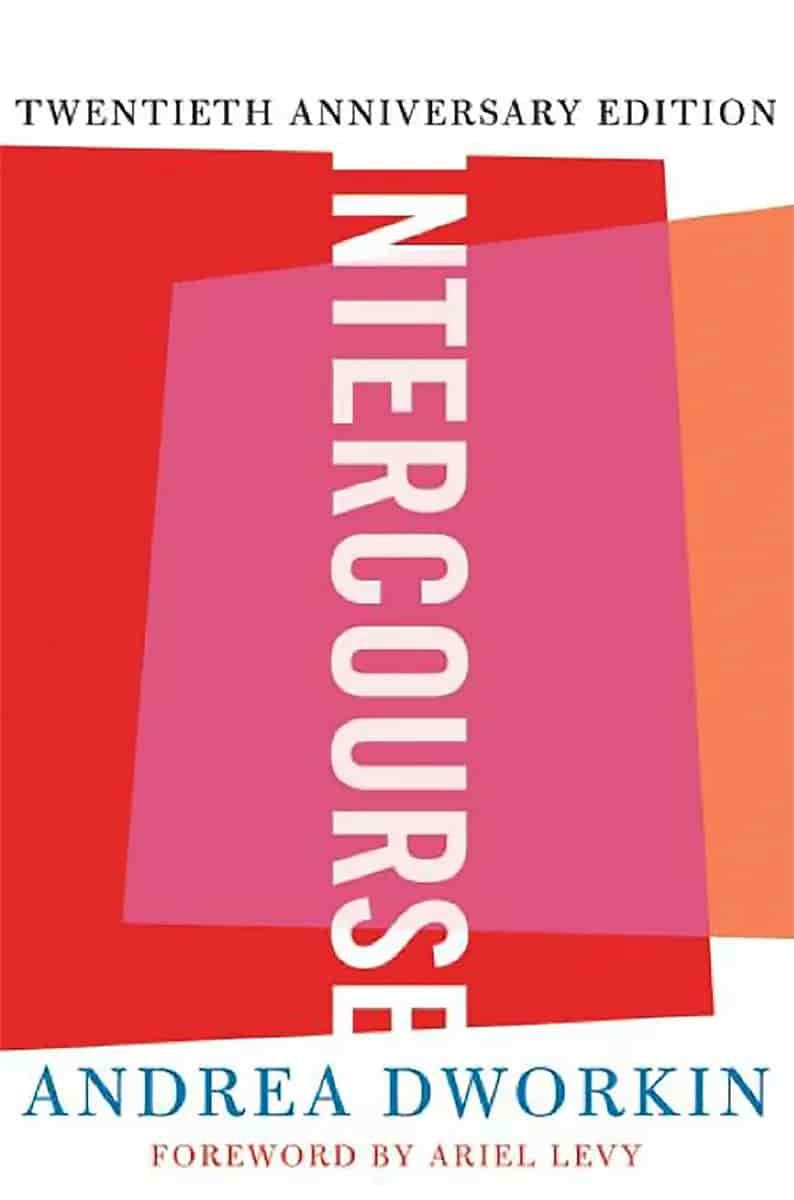
Society says with the authority of its police power how intercourse will and will not occur. Any act so controlled by the state, proscribed and prescribed in detail, cannot be private in the ordinary sense. Privacy is essentially a sphere of freedom immune from regulation by the state. In that sense, intercourse has never occurred in private.
Justice is the end of government. It is the end of civil society. It ever has been, and ever will be, pursued, until it be obtained, or until liberty be lost in the pursuit. In a society, under the forms of which the stronger faction can readily unite and oppress the weaker, anarchy may as truly be said to reign, as in a state of nature where the weaker individual is not secured against the violence of the stronger: And as in the latter state even the stronger individuals are prompted by the uncertainty of their condition, to submit to a government which may protect the weak, as well as themselves: so in the former state, will the more powerful factions be gradually induced by a like motive, to wish for a government which will protect all parties, the weaker as well as the more powerful.
Why has government been instituted at all? Because the passions of men will not conform to the dictates of reason and justice, without constraint.
The rights of neutrality will only be respected, when they are defended by an adequate power. A nation, despicable by its weakness, forfeits even the privilege of being neutral.