Quotes about social inequality
44 quotes · 37 authors
Quotes
We have preachers and savants who dilate endlessly on the sanctity of family and childhood but who tolerate a system in which a casual observer can correlate a child's social origin with its physical well-being.
If the study of human interactions could become a science, I suspect that an inviolate axiom might be discovered to this effect: Every social disposition creates a disparity of advantages. Further: Every innovation designed to correct the disparities, no matter how altruistic in concept, works only to create a new and different set of disparities.
p. 113
And then perhaps this misery of class-prejudice will fade away, and we of the sinking middle class … may sink without further struggles into the working class where we belong, and probably when we get there it will not be so dreadful as we feared, for, after all, we have nothing to lose but our aitches.
A middle-class child is taught almost simultaneously to wash his neck, to be ready to die for his country, and to despise the "lower classes."
Perhaps this class-breaking business isn't so simple as it looked! On the contrary, it is a wild ride into the darkness, and it may be that at the end of it the smile will be on the face of the tiger. With loving though slightly patronizing smiles we set out to greet our proletarian brothers, and behold! our proletarian brothers — in so far as we understand them — are not asking for our greetings, they are asking us to commit suicide. When the bourgeois sees it in that form he takes to flight.
In almost any revolt the leaders would tend to be people who could pronounce their aitches.
Why throw money at problems? That's what money is for.Should the nation's wealth be redistributed? It has been and continues to be redistributed to a few people in a manner strikingly unhelpful.
Thus did a handful of rapacious citizens come to control all that was worth controlling in America. Thus was the savage and stupid and entirely inappropriate and unnecessary and humorless American class system created. Honest, industrious, peaceful citizens were classed as bloodsuckers, if they asked to be paid a living wage. And they saw that praise was reserved henceforth for those who devised means of getting paid enormously for committing crimes against which no laws had been passed. Thus the American dream turned belly up, turned green, bobbed to the scummy surface of cupidity unlimited, filled with gas, went bang in the noonday sun.
p. 4
The policies — determining who would be drafted and who would be deferred, who would serve and who would escape, who would die and who would live — were an antidemocratic disgrace ... I am angry that so many of the sons of the powerful and well placed ... managed to wangle slots in reserve and National Guard units. Of the many tragedies of Vietnam, this raw class discrimination strikes me as the most damaging to the ideal that all Americans are created equal and owe equal allegiance to their country.
Not only does a journey transport us over enormous distances, it also causes us to move a few degrees up or down in the social scale. It displaces us physically and also — for better or for worse — takes us out of our class context, so that the colour and flavour of certain places cannot be dissociated from the always unexpected social level on which we find ourselves in experiencing them.
p. 86
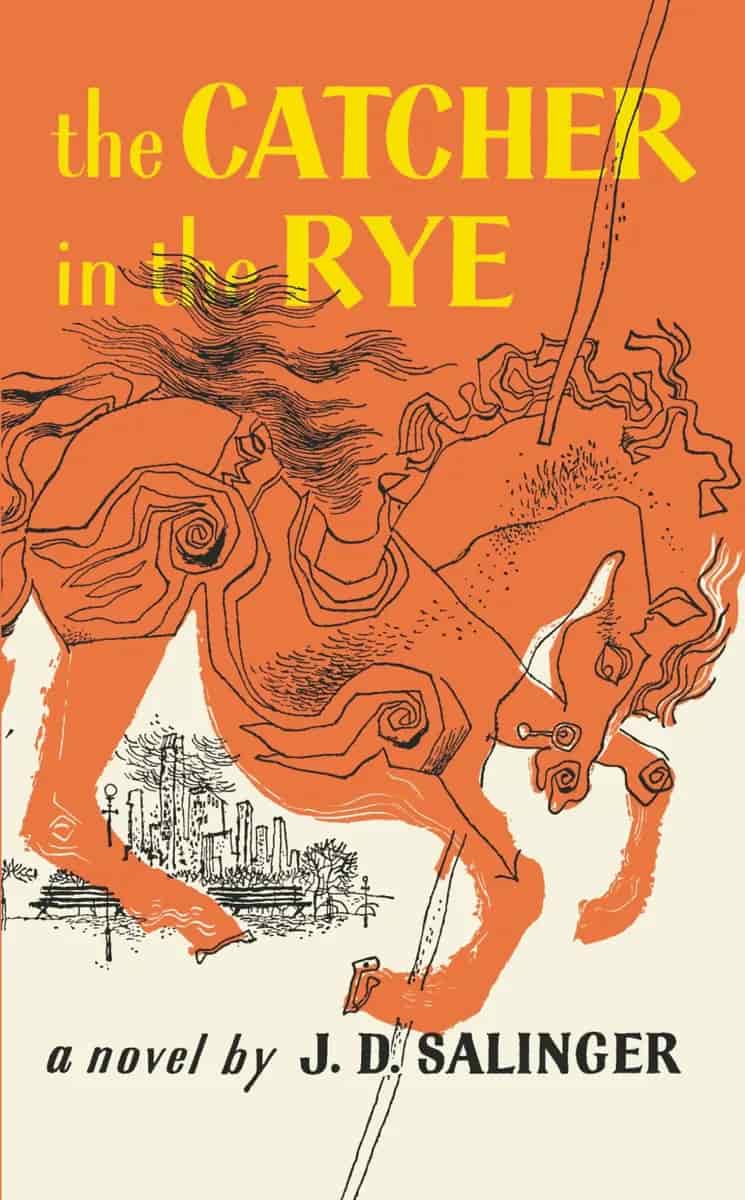
"Life is a game, boy. Life is a game that one plays according to the rules."
"Yes, sir. I know it is. I know it."
Game, my ass. Some game. If you get on the side where all the hot-shots are, then it's a game, all right — I'll admit that. But if you get on the other side, where there aren't any hot-shots, then what's a game about it? Nothing. No game.
Marx did not preach class conflict. He showed that in fact it existed, and had always existed in some form or other. His object in writing Capital was 'to lay bare the economic law of motion of modern society', and thus uncovering these fierce conflicts between different classes in society. These conflicts are not always obvious as class struggles, because the dominant class always tries to hide its own class character. But when the existing order is threatened, then it throws away all pretence and its real character appears, and there is open warfare between the classes. Forms of democracy and ordinary laws and procedures all disappear when this happens. Instead of these class struggles being due to misunderstanding or the villainy of agitators, as some people say, they are inherent in society, and they actually increase with better understanding of the conflict of interests.