Quotes about slavery
118 quotes · 64 authors
Quotes
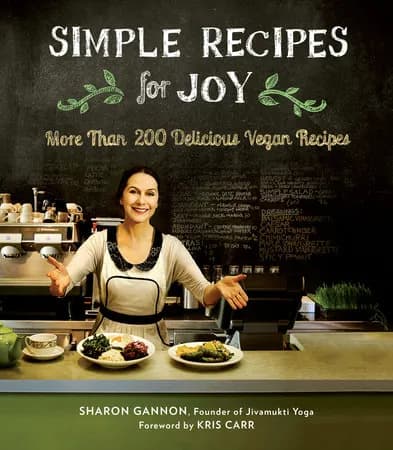
Yoga teaches that whatever we want in life we can have if we are willing to provide it for others. So if yogis want to be free, they understand that to deprive others of freedom will ultimately not benefit their project—to be free themselves. Following that logic, yogis abhor slavery and examine their own lives to find ways that they themselves might be condoning slavery and then eradicate those ways of acting. The fact is that animals who are raised for food are slaves. Making kind choices when it comes to the food we eat is one of the most basic ways to begin to ensure our own happiness and freedom. The cause for our own happiness, health, and freedom lies in how happy and free we can make the lives of others. The definition of others includes other animals.
There are three fundamental states of social being: tyranny (you do what I want), slavery (I do what you want), or negotiation.
p. 278
Art thou less a slave by being loved and favoured by thy master? Thou art indeed well off, slave. Thy master favours thee; he will soon beat thee.
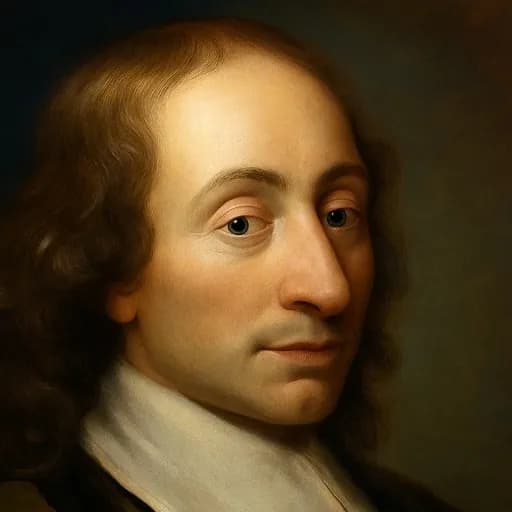
Slaves lose everything in their chains, even the desire of escaping from them: they love their servitude, as the comrades of Ulysses loved their brutish condition. If then there are slaves by nature, it is because there have been slaves against nature. Force made the first slaves, and their cowardice perpetuated the condition.
We were told that violence in itself is evil, and that, whatever the cause, it is unjustified morally. By what standard of morality can the violence used by a slave to break his chains be considered the same as the violence of a slave master? By what standards can we equate the violence of blacks who have been oppressed, suppressed, depressed and repressed for four centuries with the violence of white fascists. Violence aimed at the recovery of human dignity and at equality cannot be judged by the same yardstick as violence aimed at maintenance of discrimination and oppression.
p. 22
‘Amazing Grace’ is the supreme hymn of Evangelical redemption….It is therefore tempting to imagine John Newton suddenly seeing the light about slavery and turning away from his wicked profession to dedicate himself to God. But the timing of Newton’s conversion is all wrong. In fact, it was after his religious awakening that Newton became the first mate and then the captain of a succession of slave ships, and only much later that he began to question the morality of buying and selling his fellow men and women.
p. 78
The most insidious thing about bondage was how easy it was to grow accustomed to it.
Ask yourself, if all men must grub in the dirt for food, how shall any man lift his eyes to contemplate the stars? If each of us must break his back to build a hovel, who shall raise the temples to glorify the gods? For some men to be great, others must be enslaved.
We feared [Ryland's Hounds] and hated them, perhaps more than we feared and hated the Quality who held us, for all of us were low, we were all Tasked, and we should be in union and arrayed against the Quality, if only the low whites would wager their crumbs for a slice of the whole cake. (p. 57)
[A white person] was among the most fanatical agents I ever encountered on the Underground. All of these fanatics were white. They took slavery as a personal insult or affront, a stain upon their name. They had seen women carried off to fancy, or watched as a father was stripped and beaten in front of his child, or seen whole families pinned like hogs into rail-cars, steam-boats, and jails. Slavery humiliated them, because it offended a basic sense of goodness that they believed themselves to possess. And when their cousins perpetrated the base practice, it served to remind them how easily they might do the same. They scorned their barbaric brethren, but they were brethren all the same. So their opposition was a kind of vanity, a hatred of slavery that far outranked any love of the slave.
There must doubtless be an unhappy influence on the manners of our people produced by the existence of slavery among us. The whole commerce between master and slave is a perpetual exercise of the most boisterous passions, the most unremitting despotism on the one part, and degrading submissions on the other. Our children see this, and learn to imitate it; for man is an imitative animal. This quality is the germ of all education in him.
p. 289
And with what execration should the statesman be loaded, who permitting one half the citizens thus to trample on the rights of the other, transforms those into despots, and these into enemies, destroys the morals of the one part, and the amor patriae of the other.
p. 289