Quotes about old age
267 quotes · 158 authors
Quotes
On the floor, and hanging on to the bar, squatted an old man, immobile as an object. His years had reduced and polished him as water does a stone or the generations of men do a sentence. He was dark, dried up, diminutive, and seemed outside time, situated in eternity.
You often say to yourself in the course of your life that you ought to avoid having too much business, 'polypragmosyne' [incessant activity], and, more especially, that the older you get, the more you ought to avoid entering on new business. But it's all very well saying this, and giving yourself andothers good advice. The very fact of growing older means taking up a new business; all our circumstances change, and we must either stop doing anything at all or else willing and consciously take on the new role we have to play on life's stage.
“Age is my alarm clock,” the old man said. “Why do old men wake so early? Is it to have one longer day?”
“I don’t know,” the boy said. “All I know is that young boys sleep late and hard.”
No, that is the great fallacy: the wisdom of old men. They do not grow wise. They grow careful.
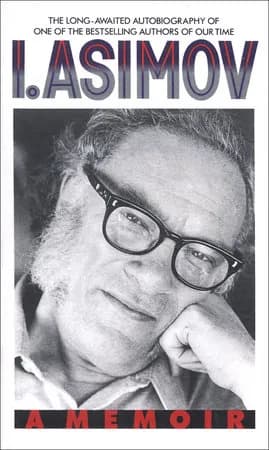
What’s the justification for ancestor worship? You know what happens to a man without modern geriatrics: as he ages his brain cells start to die. Yet people tend to respect him, to listen to him.
p. 86
Man proposes and old age disposes—
p. 356
As one gets older and more rickety, and as medical technology advances, doctors love to play with their toys, using you as their victim.
p. 131
It is amazing how the young women flock about me now that I’m old and harmless. Where were they when I could have taken wicked advantage of their affection?
p. 515
On the QE2, I devoured caviar every chance I had, while Janet loved the chocolate soufflés. We both reveled in beef Wellington, and a lucky thing too, for, as we found out, as one grows older the doctors take you off any kind of food that tastes good, and it’s just as well we ate it while we could.
p. 416
I thought that young people had more problems than old people, and I hoped I could last until I was older so I wouldn't have all those problems. Then I looked around and saw that everybody who looked young had young problems and that everybody who looked old had old problems. The "old" problems to me looked easier to take than the "young" problems. So I decided to go gray so nobody would know now old I was and I would look younger to them than how old they thought I was. I would gain a lot by going gray: (1) I would have old problems, which were easier to take than young problems, (2) everyone would be impressed by how young I looked, and (3) I would be relieved of the responsibility of acting young—I could occasionally lapse into eccentricity or senility and no one would think anything of it because of my gray hair. When you've got gray hair, every move you make seems "young" and "spry," instead of just being normally active. It's like you're getting a new talent. So I dyed my hair gray when I was about twenty-three or twenty-four.
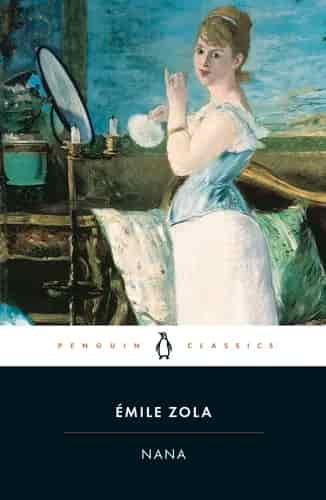
Madame Jules was a woman of no age. She had the parchment skin and changeless features peculiar to old maids whom no one ever knew in their younger years.
I mean, so what if some fifty-eight-year-old butt-head gets a load on and starts playing Death Race 2000 in the rush-hour traffic jam? What kind of chance is he taking? He's just waiting around to see what kind of cancer he gets anyway. But if young, talented you, with all of life's possibilities at your fingertips, you and the future Cheryl Tiegs there, so fresh, so beautiful — if the two of you stake your handsome heads on a single roll of the dice in life's game of stop-the-semi — now that's taking chances! Which is why old people rarely risk their lives. It's not because they're chicken — they just have too much dignity to play for small stakes.