Quotes
It isn't that you subordinate your ideas to the force of the facts in autobiography but that you construct a sequence of stories to bind up the facts with a persuasive hypothesis that unravels your history's meaning.
Obviously the facts are never just coming at you but are incorporated by an imagination that is formed by your previous experience. Memories of the past are not memories of facts but memories of your imaginings of the facts.
The advisers and counselors were not, however, analyzing the danger or even the possibility. They were serving only as the custodians of bad memories.
p. 184
If any one faculty of our nature may be called more wonderful than the rest, I do think it is memory. There seems something more speakingly incomprehensible in the powers, the failures, the inequalities of memory, than in any other of our intelligences. The memory is sometimes so retentive, so serviceable, so obedient; at others, so bewildered and so weak; and at others again, so tyrannic, so beyond control! We are, to be sure, a miracle every way; but our powers of recollecting and of forgetting do seem peculiarly past finding out.
… after you're dead and buried and floating around whatever place we go to, what's going to be your best memory of Earth? … What moment for you defines what it's like to be alive on this planet?
Yet the soul of Ona was not dead—the souls of none of them were dead, but only sleeping; and now and then they would waken, and these were cruel times. The gates of memory would roll open—old joys would stretch out their arms to them, old hopes and dreams would call to them, and they would stir beneath the burden that lay upon them, and feel its forever immeasurable weight. They could not even cry out beneath it; but anguish would seize them, more dreadful than the agony of death. It was a thing scarcely to be spoken—a thing never spoken by all the world, that will not know its own defeat.They were beaten; they had lost the game, they were swept aside. It was not less tragic because it was so sordid, because it had to do with wages and grocery bills and rents. They had dreamed of freedom; of a chance to look about them and learn something; to be decent and clean, to see their child grow up to be strong. And now it was all gone—it would never be! They had played the game and they had lost. Six years more of toil they had to face before they could expect the least respite, the cessation of the payments upon the house; and how cruelly certain it was that they could never stand six years of such a life as they were living! They were lost, they were going down—and there was no deliverance for them, no hope; for all the help it gave them the vast city in which they lived might have been an ocean waste, a wilderness, a desert, a tomb.
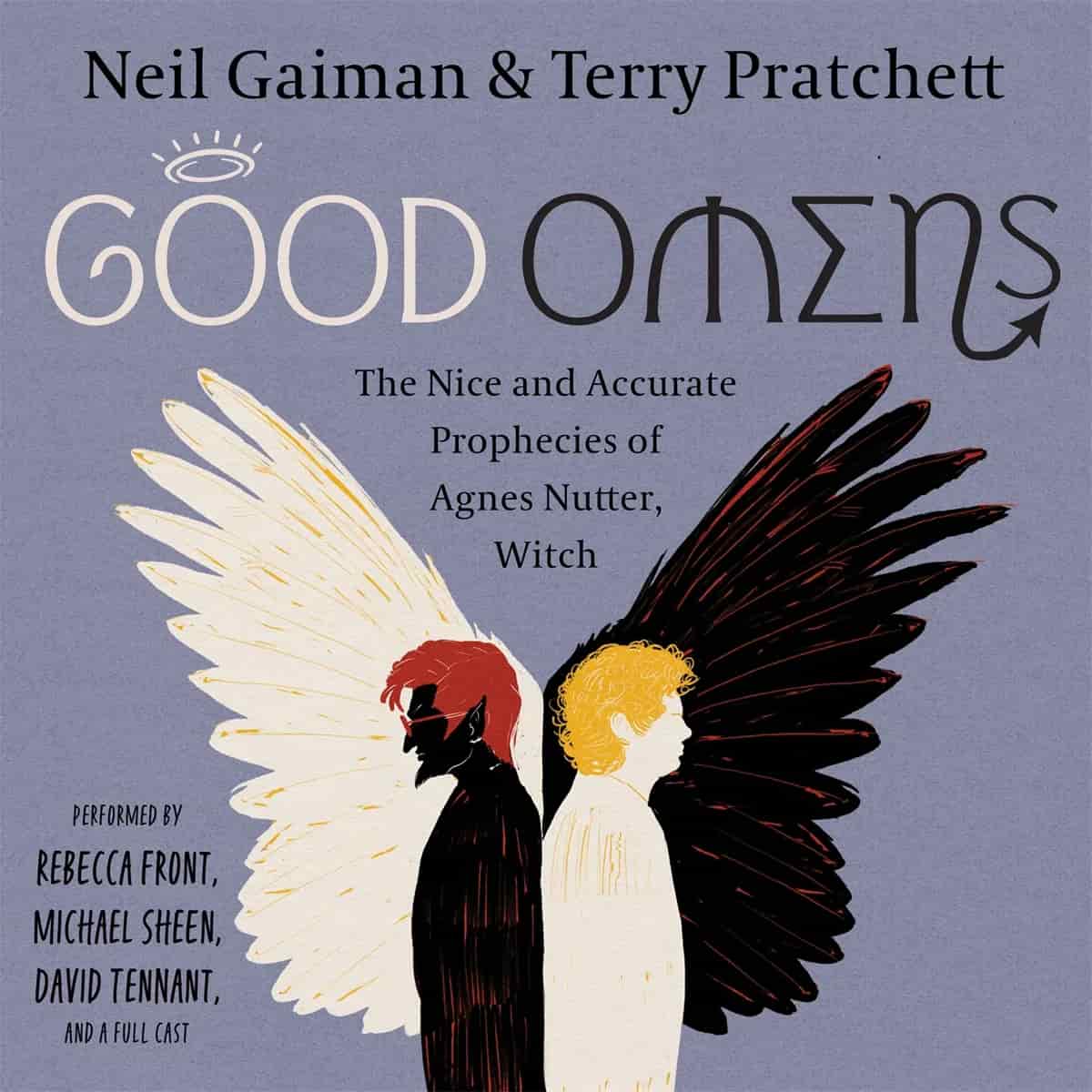
"What I'm trying to say," she said patiently, "is that Agnes didn't see the future. That's just a metaphor. She remembered it. Not very well, of course, and by the time it'd been filtered through her own understanding it's often a bit confused.
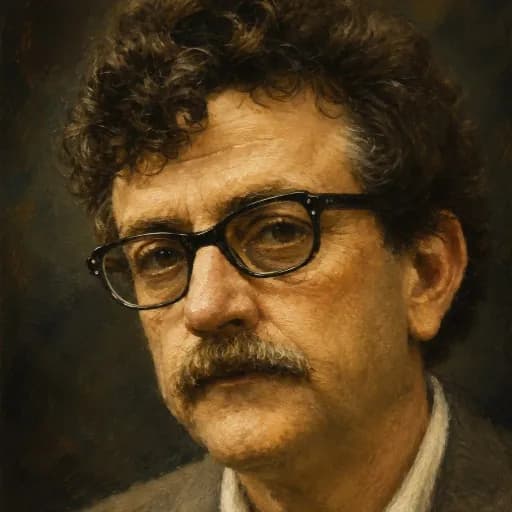
I don't care if I'm remembered or not when I'm dead. (A scientist I knew at General Electric, who was married to a woman named Josephine, said to me, "Why should I buy life insurance? If I die, I won't care what's happening to Jo. I won't care about anything. I'll be dead.")
What is easier to remember, a collection of facts glued together, or a story, something that offers a series of logical links? Causality is easier to commit to memory. ...What is induction exactly? ...It is very handy, as the general takes much less room in onel's memory than a collection of particulars. The effect of such compression is the reduction in the degree of detected randomness.
“Are you all right, sir?” asked Hezekiah.
“Just fighting over old battles in my mind,” said John. “It’s the problem with age. You have all these rusty arguments, and no quarrel to use them in. My brain is a museum, but alas, I’m the only visitor, and even I am not terribly interested in the displays.”
Most of the things people say they remember they only imagine anyways.
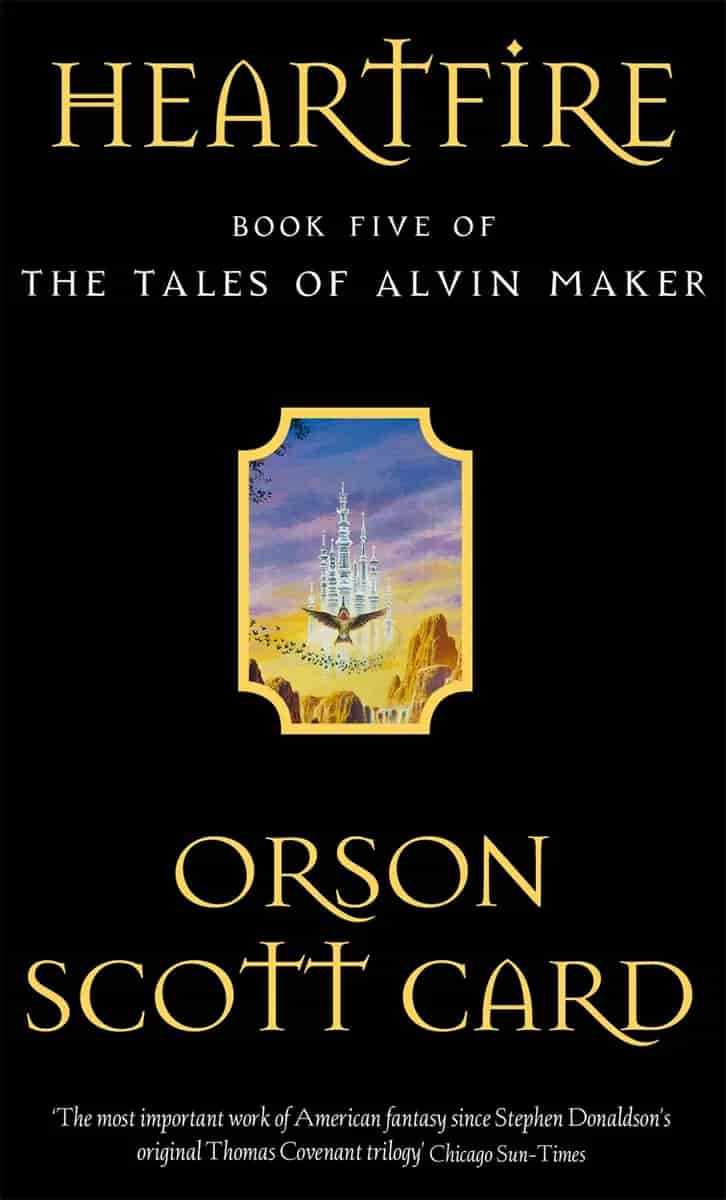
That's what survival means, for me. I thought it was a matter of staying alive, but it isn't. Nobody lives forever anyway. It's how you're remembered. It's what your children thought of you, what they think of you after you're dead. That's survival.