Quotes about meaning of life
238 quotes · 148 authors
Quotes
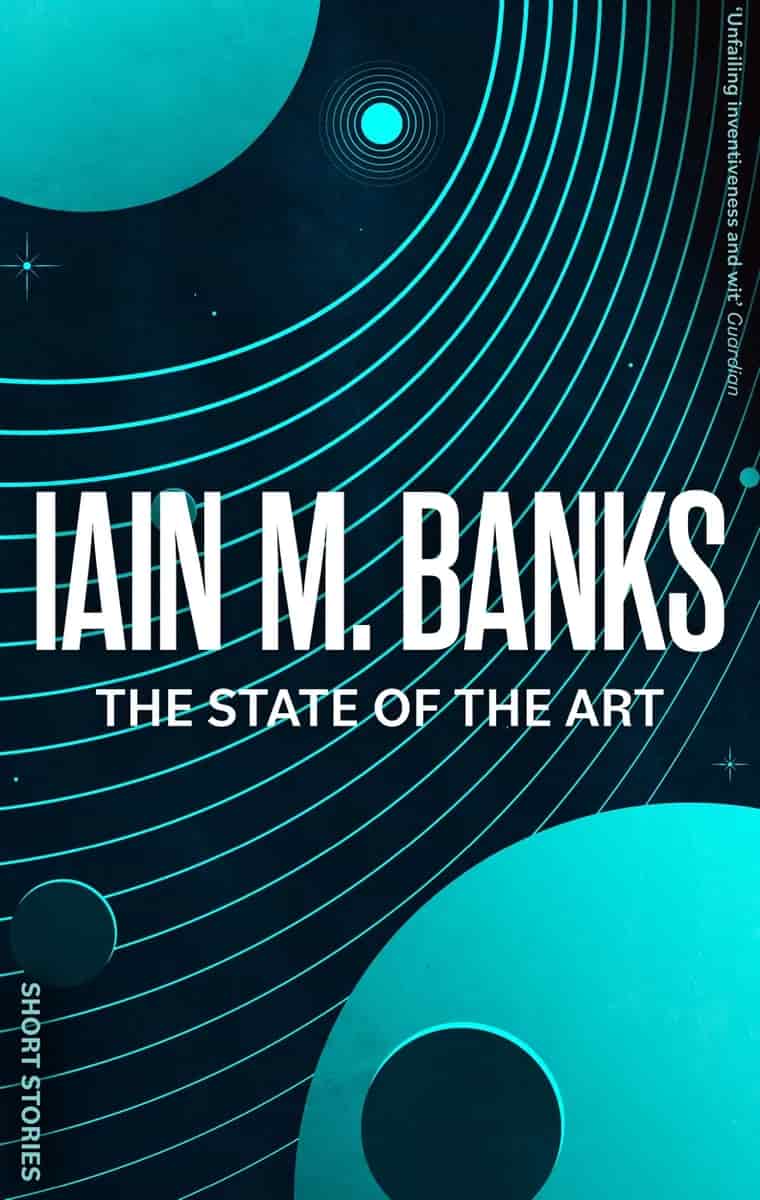
But did that mean that the urge to live was the result of some sort of illusion? Was the reality, in fact, that nothing mattered and people were fools to think that anything did? Were the choices either despair, the rejection of reason for some idiot faith, or a sort of defensive solipsism?
p. 236
“Well,” the voice said, seemingly oblivious, “one thing that does happen when you live a long time is that you start to realise the essential futility of so much that we do, especially when you see the same patterns of behaviour repeated by succeeding generations and across different species. You see the same dreams, the same hopes, the same ambitions and aspirations, reiterated, and the same actions, the same courses and tactics and strategies, regurgitated, to the same predictable and often lamentable effects, and you start to think, So? Does it really matter? Why really are you bothering with all this? Are these not just further doomed, asinine ways of attempting to fill your vacuous, pointless existence, wedged slivered as it is between the boundless infinitudes of dark oblivion bookending its utter triviality?”
“Uh-huh,” she said. “Is this a rhetorical question?”
“It is a mistaken question. Meaning is everywhere. There is always meaning. Or at least all things show a disturbing tendency to have meaning ascribed to them when intelligent creatures are present. It’s just that there’s no final Meaning, with a capital M. Though the illusion that there might be is comforting for a certain class of mind.”
p. 210
“So,” she said, “living all this time has been to no purpose, basically.”
“True, but that hardly distinguishes me from anybody else, does it?”
“But shouldn’t it, or there’s no point?”
“No. Living either never has any point, or is always its own point; being a naturally cheery soul, I lean toward the latter. However, just having done more of it than another person doesn’t really make much difference.”
p. 210
“Tell me, suit, don’t you wonder if it’s all worth it?’
“If what’s all worth what?” it says, and I can hear that condescending tone in its voice again.
“You know; living. Is it worth all the... bother?”
“No.”
“No?”
“No, I don’t ever wonder about it.”
“Why not?” I’m keeping my questions short as we walk, conserving energy and breath.
“I don’t need to wonder about that. It’s not important.”
“Not important?”
“It’s an irrelevant question. We live; that’s enough.”
p. 44
It is a useless life that is not consecrated to a great ideal. It is like a stone wasted in the field without becoming part of an edifice.
It makes his life more interesting to himself. He invents a meaning for his life, you see. Don’t we all do that? And to die fighting for freedom sounds more heroic than to die by accident.”
as long as hope remains and meaning is preserved, the possibility of overcoming oppression stays alive. (p15)
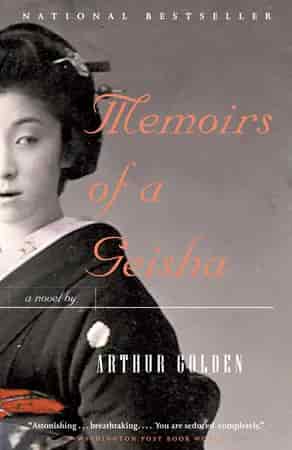
Now I understood the thing I´d overlooked;the point wasn´t to become a geisha but to be one. To become a geisha . . . well, that was hardly a purpose in life. But to be a geisha . . . I could see it now as a stepping-stone to something else.
There are people in every age who come early or late to a sense of the futility of the world. Some people, such as the monks of the desert, flee the entanglements of the world to rush toward eternity. But even for those who remain in the world, the approach of eternity is implacable. “The glacier knocks in the cupboard, / The desert sighs in the bed,” was W. H. Auden’s mock-prophetic forecast. He meant the desert is incipient in the human condition. Time melts away from us. Even in luxuriant weather, even in luxuriant wealth, even in luxuriant youth, we know our bodies will fail; our buildings will fall to ruin.
'Why should you do a job anyway? What's the incentive?'
'The incentive is to fight anarchy. That's all Man lives for. Reclaiming life from its natural muddle. Making patterns.'
'Patterns for what?'
'For the sake of patterns. To create meaning. What else is there?'
'And what about the things that won't fit into your patterns?'
'Discard them.'
p. 55
There is one question which we seldom ask each other directly: it is too brutal. And yet it is the only question worth asking our fellow-travellers. What makes you go on living? Why don't you kill yourself? Why is all this bearable? What makes you bear it?
Could I answer that question about myself? No. Yes. Perhaps . . . I supposed, vaguely, that it was a kind of balance, a complex of tensions. You did whatever was next on the list. A meal to be eaten. Chapter eleven to be written. The telephone rings. You go off somewhere in a taxi. There is one's job. There are amusements. There are people. There are books. There are things to be bought in shops. There is always something new. There has to be. Otherwise, the balance would be upset, the tension would break.
p. 98
Human beings do not live forever, Reuven. We live less than the time it takes to blink an eye, if we measure our lives against eternity. So it may be asked what value is there to a human life. There is so much pain in the world. What does it mean to have to suffer so much, if our lives are nothing more than the blink of an eye?...I learned a long time ago, Reuven, that a blink of an eye in itself is nothing; but the eye that blinks, that is something. A span of life is nothing; but the man who lives the span, he is something. He can fill that tiny span with meaning, so its quality is immeasurable though its quantity may be insignificant. A man must fill his life with meaning, meaning is not automatically given to life. It is hard work to fill one's life with meaning- that, I do not think you understand yet. A life filled with meaning is worthy of rest. I want to be worthy of rest when I am no longer here.
p. 217