Quotes
Mathematics is universal. But very little else is.
p. 119
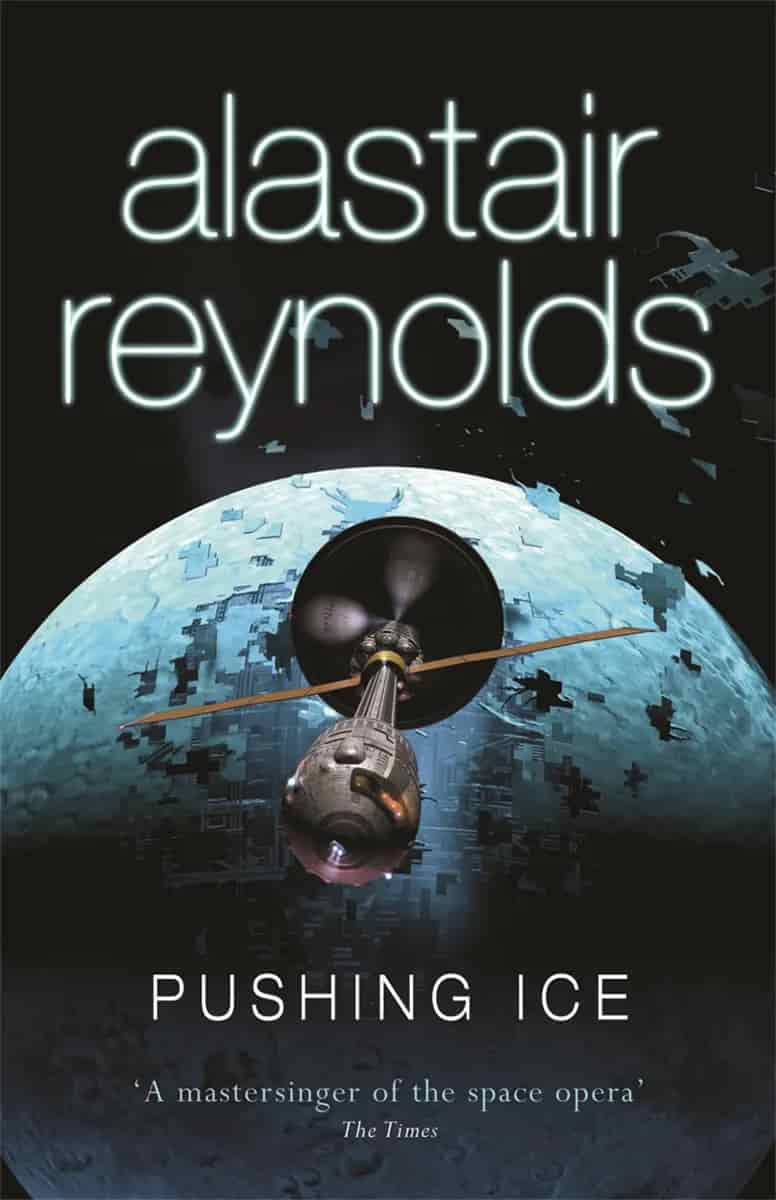
You are lucky. Very few theoretical scientists ever see their mathematical equations turned into working hardware in their lifetime.
p. 255
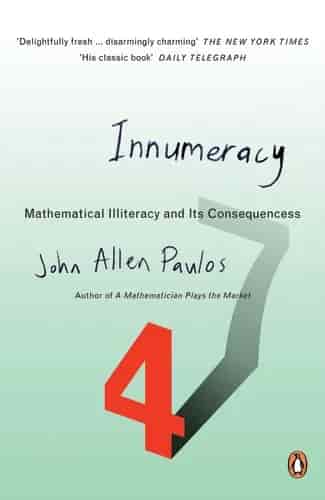
It’s time to let the secret out: mathematics is not primarily a matter of plugging numbers into formulas and performing rote computations. It is a way of thinking and questioning that may be unfamiliar to many of us, but is available to almost all of us.
p. 3
I remember thinking of mathematics as a kind of omnipotent protector. You could prove things to people and they would have to believe you whether they liked you or not.
p. 99
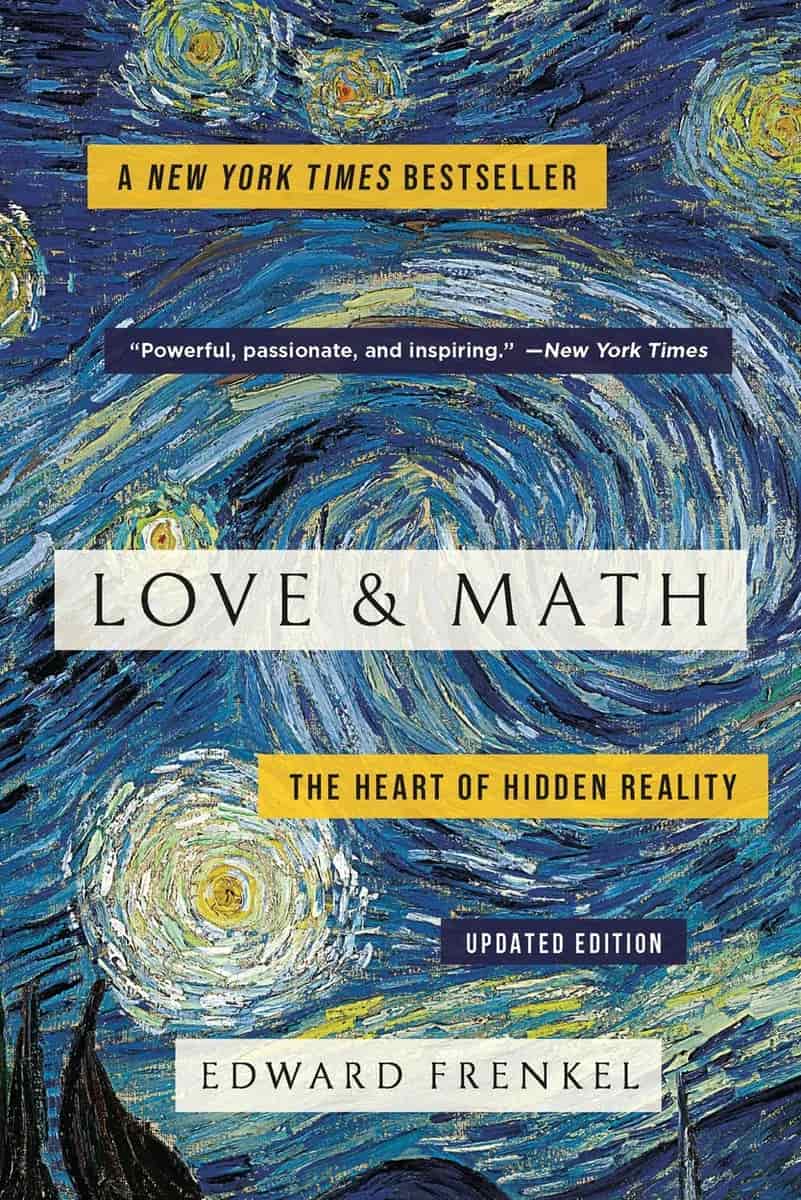
We should all have access to the mathematical knowledge and tools needed to protect us from arbitrary decisions made by the powerful few in an increasingly math-driven world. Where there is no mathematics, there is no freedom.
p. 5
In the history of mathematics, the "how" always preceded the "why," the technique of the subject preceded its philosophy.
The progress of mathematics has been most erratic, and... intuition has played a predominant rôle in it. ...It was the function of intuition to create new forms; it was the acknowledged right of logic to accept or reject these new forms, in whose birth in had no part. ...the children had to live, so while waiting for logic to sanctify their existence, they throve and multiplied.
Between the philosopher's attitude towards the issue of reality and that of the mathematician there is this essential difference: for the philosopher the issue is paramount; the mathematician's love for reality is purely platonic.
The existence theorem says that it is always much easier to find a solution when you can be confident that one exists.
p. 444
I had never understood mathematics with any great agility, but now I sensed it as a hard grid of truth underlying everything: bones shining through the thin flesh of the world.
p. 135
The laws of mathematics are stronger than the laws of man.
Although mathematics originates in the human mind, its remarkable effectiveness in explaining the world does not extend to the mind itself. Psychology has proved unusually resistant to the mathematization that works so well in physics.
p. 2